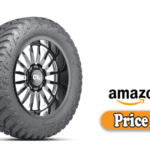
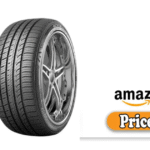
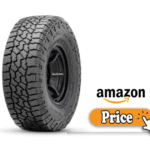
If you’re in the market for off-road or all-terrain tires and have come across AMP Tires, you’re probably wondering: “Where are these made, and are they any good?” That was exactly me a few years back when I was upgrading my truck’s tires.
AMP is a relatively young brand, but it punches way above its price point in looks and performance. I decided to give a full rundown based on my experience, the good, the not-so-good, and everything in between.
In this article, I’ll cover what I like about AMP tires, where they fall short, how they performed in my real-world use, their design, build quality, and even a couple of worthy alternative options. I’ll also take a close look at where AMP tires are manufactured, a key question for many buyers.

What I Like About AMP Tires
- Value for Money
One of the biggest draws of AMP Tires is how affordable they are compared to premium off-road brands. For the performance and load ratings I needed, I didn’t want to drop $1,500+ for a full set, and AMP gave me a more budget-friendly option without feeling like I was completely compromising. - Aggressive, Rugged Design
If you’re into lifted trucks, Jeeps, or just want tires that look the part, AMP delivers. Their tread patterns, especially on the Terrain Attack M/T (mud terrain), are bold, chunky, a aggressive. The sidewalls have pronounced lugs, and the shoulder design feels robust. Visually, they give your vehicle a very “ready for off-road” vibe. - Versatile Offerings
AMP doesn’t just do mud terrain. They also make all-terrain versions (e.g., the Terrain Pro A/T P and Terrain Attack A/T A) that are more highway-friendly while still holding their own off-road. This flexibility meant that I could pick a tire that matches my driving style, rather than going full M/T when I didn’t need to. - Strong Warranty
The Terrain Pro A/T has a 60,000-mile warranty, which, for a value-focused off-road tire, is very fair. That kind of warranty gives peace of mind, particularly when you’re spending a decent chunk but not on top-tier name-brand rubber. - Good Off-Road Performance (Especially M/T)
In off-road conditions, dirt, gravel, and even some mud, the M/T A version of AMP’s Terrain Attack line bites really well. The self-cleaning tread and wide voids help shed mud and grip effectively. For someone who does weekend trail runs or overlanding, they’re surprisingly competent. - Reasonable On-Road Comfort (for What They Are)
Even though AMP markets some of these tires for serious off-road, in daily driving, the all-terrain versions didn’t feel overly harsh. I expected more roar and vibration; instead, the ride was composed, and noise levels were not as bad as I feared. Others have noted this too: “quieter than many mud-terrains in the same price range.”
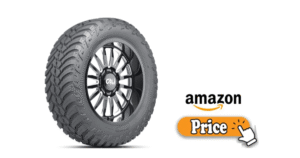 👉🏿👉🏻 Check the Latest Price and Offer at Amazon 👈🏻👈🏿
What Could Be Better
- Manufacturing & Labeling Issues
One of the biggest red flags: between 2019 and Q1 2024, AMP sold several tires with an incorrect 3PMSF (Three-Peak Mountain Snowflake) symbol. This was not just a labeling mistake; it means those tires do not meet the industry’s severe snow traction standards. AMP actually paused shipments of the affected models.
That’s a big deal if you were relying on that snowflake for winter driving. AMP’s own FAQ acknowledges this and says they’re working with regulators.
- Uneven Wear & Balancing Complaints
Some users (including on Reddit) have reported issues with uneven wear and difficulty balancing AMP tires. > “They can be tough to balance.” “They wore so unevenly … it’s crazy.”
That’s something I noticed too, after several thousand miles of operation helps, but I think they’re not quite as refined in that department as premium brands.
- Wet Performance Concerns
While dry traction is decent, braking and handling in heavy rain or wet surfaces are not where AMP shines. According to reviews, hydroplaning resistance is weaker, and cornering confidence drops in aggressive wet conditions. - Not Built for Harsh Winter
Given the 3PMSF labeling controversy, AMP’s all-terrain tires are not ideal for serious winter or icy conditions. Their grip on ice/slush just doesn’t match dedicated winter tires. Others have noted that for snow, you’re better off with a good winter-specific setup. - Mileage / Tread Life Trade-offs
Even with warranty support, some users say the tread life isn’t as strong under heavy load or aggressive driving. For the M/T version, especially if you drive a lot on pavement, the soft rubber can wear faster.
My Personal Experience
Alright, here’s how things went down for me:
I bought a set of AMP Terrain Pro A/T P tires for my lifted truck (17″ wheels). My goals were: solid all-terrain performance, decent highway comfort, good load capacity, and not breaking the bank.
First Impressions
- Installation: Swapped them in at a local shop. They felt beefier than standard all-terrains. The sidewalls are muscular, and the tread depth is very noticeable.
- On the road: The first drive home was on asphalt. I was pleasantly surprised: the ride was firm but not harsh, and the noise was there, but not overbearing.
- Off-road: The next weekend, I hit some gravel trails and mild dirt roads. They worked well, carving through loose dirt and holding well on uneven ground.
Everyday Driving (Long Term)
- On highway: I’ve taken these on long trips. At highway speed (65–75 mph), they hum, but again, not terribly loud, especially for their type. Turn-in is stable.
- Load capacity: With a fully loaded bed, I didn’t feel like I was pushing the tire’s limits.
- Rotation: I rotated every 5,000 miles or so. Over ~30,000 miles, I noticed decent but not perfect tread wear, some shoulder wear, and more than the entire.
Rain / Wet
- I did have a few drives in steady rain. Braking distances felt a little longer than on my previous ride, with more premium A/T tires, and I was more gentle with aggressive cornering.
- No major hydroplaning, but I wouldn’t call them supremely confident in standing water.
Winter / Snow
- I live in a region where winters are moderate (not deep snow all the time). In light snow, they were okay, but I never felt super confident on ice or packed snow.
- Given the labeling issue, I decided not to push them hard in serious winter driving.
Tread Life & Wear
- After ~30,000 miles, tread depth is still reasonable. Not pristine, but not trash either.
- I did experience a bit of uneven wear, particularly on the outside shoulders. I think better rotation practices might help, but it’s not perfect.
Durability
- No punctures so far, even after some rougher terrain use.
- Sidewalls feel tough; I’ve scraped on small rocks but haven’t chunked or damaged anything major.
Value
- Considering the price I paid, I feel like I’ve gotten very good value. These tires gave me capability and style without making me regret saving money (though I wouldn’t call them “cheap throwaways”).
Customer Support / Warranty
- Filing a warranty claim was straightforward in principle (I looked into how the 60,000-mile warranty works). AMP/TWG’s dealer network is decent, though not as vast as major tire brands.
- I kept all purchase records and rotated regularly good idea if you want to back up any future warranty claim.
Design
Let’s dive into how AMP builds these tires, both aesthetically and in engineering.
Tread Patterns
- Terrain Pro A/T: Deep, multi-function grooves, lots of siping, designed for a mix of terrains.
- Terrain Attack A/T A: Very balanced A/T tread, chunky but not overly aggressive, optimized for daily driving + trail use.
- Terrain Attack M/T A: Big lugs, wide voids, self-cleaning capability built for serious off-road.
Sidewalls
- The M/T versions have reinforced 3-ply sidewalls, which help puncture resistance and give durability off-road.
- The A/T and Pro models have “twin peaks” or lug-style sidewall designs, giving an aggressive look and extra bite for traction.
Construction / Compound
- AMP uses compounds that aim to resist chipping, maintain grip, and provide a long-ish tread life.
- For load capacity, there are F-load and 12-ply rated options.
- Rock ejectors (for M/T and Pro) help keep stones and debris out of grooves to preserve tread and traction.
Safety / Standards
- AMP tires are designed to comply with FMVSS 139, a U.S. standard for passenger and light-truck pneumatic radial tires.
- However, because of the 3PMSF labeling issue mentioned earlier, they do not consistently meet the severe now standard for all batches.
Performance
Now, more on how they actually perform across different conditions.
Dry Traction
- Very solid. On dry pavement, the all-terrain versions feel predictable, stable, and confident.
- Acceleration and braking in dry conditions felt reliable, and steering felt direct enough for my setup.
Wet Performance
- As mentioned, wet traction is one of the weak spots. Braking distances are longer, and corners require a more cautious approach when it’s raining hard.
- I didn’t notice dangerous hydroplaning, but the grip is not “stick-to-the-road” like a dedicated highway tire.
Light Snow
- In light snow and slush, the AMP Terrain Pro / Terrain Attack A/T does OK.
- But on icy or deep snow, they fall short, likely due to compound limitations and the mislabeling issue mentioned by AMP.
- For real winter, I’d pair with dedicated snow tires or choose something labeled properly for winter.
Off-Road / Trail
- This is where AMP tires shine. The M/T version, especially, grips well in dirt, rocks, and mud.
- The self-cleaning tread helps: when I was driving on muddy, rutted trails, the tire threw out a lot of the debris, giving me sustained grip.
- Side biters (on the ulder) give extra traction on uneven terrain and help protect sidewalls when I’m scrubbing rocks.
Ride Comfort / Noise
- On the highway, the ride is firm but manageable. Not luxury-sedan smooth, but for an all-terrain tire, it’s pretty respectable.
- Noise is present; you’ll hear a hum at higher speeds, but it’s less than many full M/Ts.
- Over long drives, fatigue wasn’t bad. I felt like they balanced ruggedness & comfort fairly well for the price.
Longevity / Tread Life
- After ~30,000 miles (in my use case), tire wear is decent, though not uniform perfection.
- Shoulder wear is the main pattern I saw, possibly due to my rotation practices or alignment.
- I think with better rotation discipline, there’s potential to get more life out of them, but expecting premium-level longevity might be optimistic.
Build Quality
Let’s talk about how AMP builds their tires, who’s behind them, and what that means.
Manufacturer / Parent Company
- AMP Tires is a brand under The Wheel Group (TWG), which is based in Ontario, California.
- TWG isn’t just about tires; they also make aftermarket wheels, TPMS sensors, and more
Where They’re Manufactured
- The short answer: overseas manufacturing. According to third-party reviews, AMP tires are primarily made in Asia, specifically Thailand.
- This aligns with many value-tier tire brands that design in the U.S. but manufacture in Southeast Asia to keep costs down.
Quality Standards
- Despite being manufactured overseas, AMP claims to test to FMVSS 139 standards, which is important for U.S. market safety.
- Their building and testing processes aim to balance cost and performance with a premium luxury, but solid off-road ruggedness.
- On the flip side, the 3PMSF mislabeling issue (for certain models) points to some lapses in labeling or quality control. AMP has publicly addressed this and is working on remediation.
Warranty and Support
- AMP offers a 60,000-mile warranty on the Terrain Pro A/T.
- For workmanship or material issues, they have a warranty policy, but like with all tire warranties, it’s best to document your purchase, rotate regularly, and keep receipts.
- AMP’s customer support is through their site or authorized dealers; they don’t sell directly.
- For the 3PMSF issue, AMP says they’re working with NHTSA and Transport Canada to find a solution.
Alternative Options
If AMP Tires aren’t quite what you want, or if some of the drawbacks are deal-breakers, here are some alternative tire options to consider depending on your priorities:
- Cooper Discoverer AT / AT3
- Very well-known. Great balance of on-road and off-road grip.
- More premium feel, with strong brand reputation.
- Possibly more expensive, but if longevity and wet/ice performance matter, this is a solid pick.
- BFGoodrich All-Terrain T/A KO2
- Rugged, proven. Excellent for mixed terrain, with good winter capabilities.
- More expensive, but widely trusted in off-road communities.
- Toyo Open Country A/T or M/T
- Toyo is known for high-quality off-road and all-terrain designs.
- Slightly more polished ride, strong longevity, and good traction.
- Ironman All Country M/T or A/T
- Budget-friendly but better brand recognition than some ultra-value brands.
- Decent off-road performance, decent warranty depending on the model and seller.
- Falken WildPeak A/T
- Good for year-round use.
- Often praised for wet traction, longevity, and value.
Each of these alternatives comes with its own trade-offs: cost, ride comfort, warranty, and off-road vs highway balance. It really depends on what matters most to you.
Final Thoughts
So, “Where Are AMP Tires Manufactured | My Honest Experience,” what’s the verdict after all that?
- Manufacturing: AMP Tires are designed under a U.S. company (The Wheel Group) but manufactured overseas, primarily in Thailand. This setup helps them deliver a strong value proposition.
- Performance: They’re impressively capable off-road, especially for the price. The A/T models give a pretty decent highway ride, though wet stopping and deep winter traction aren’t their strongest domains.
- Durability: Reasonable, but not bulletproof. With proper tire rotation and alignment, they can last well, but I wouldn’t expect the same lifespan as ultra-premium tires under harsh use.
- Risks: The 3PMSF labeling issue is something to take seriously if you were hoping to rely on them for winter driving. Also, balancing and wearing require more attention.
- Value: For someone like me weekend off-roader, a daily truck driver, not looking to spend top-dollar on name-brand off-road rubber, AMP was a win. I got aggressive aesthetics, solid traction, and fair performance without breaking the bank.
Final verdict: AMP Tires, in my experience, are a smart value play. If you’re careful about your use case (not deep-ice-only winter, moderate rotation), they’re absolutely worth considering. But if you demand the absolute best in wet grip, snow certification, or tread life under heavy load, you might want to compare with some higher-tier brands.
Read More: Who Makes Firestone Tires | My Honest Experience
FAQs: Where Are AMP Tires Manufactured | My Honest Experience
Q1: Who makes AMP Tires?
- AMP Tires is a brand under The Wheel Group (TWG), a U.S.-based company headquartered in Ontario, California.
- TWG is also known for aftermarket wheels, TPMS sensors, and other truck-centric products.
Q2: Where are AMP Tires manufactured?
- AMP Tires are not made in the U.S.; their production is overseas. According to multiple sources, a significant portion of their manufacturing happens in Asia, especially Thailand.
- This offshore manufacturing is common among value-focused tire brands, enabling lower costs while maintaining acceptable quality.
Q3: Are AMP Tires safe and tested to U.S. standards?
- Yes, AMP says their tires are built in accordance with FMVSS 139, which is a U.S. safety standard for light-truck and passenger radial tires.
- That said, the issue with incorrect 3PMSF (snowflake) labeling has raised concerns. AMP has paused shipments on affected models and is working with regulatory bodies.
- According to AMP’s FAQ, “with our current knowledge … we cannot define them as a ‘snow tire’ … but otherwise they remain a popular and safe all-season tire.”
Q4: Do AMP Tires come with a warranty?
- Yes. For example, the AMP Terrain Pro A/T P comes with a 60,000-mile warranty.
- They also have workmanship and material coverage, but as with any tire brand, you should read the fine print and follow recommended maintenance (rotation, inflation, etc.).
- For the 3PMSF labeling issue, AMP says they are in discussions with NHTSA and Transport Canada, and they will provide updates.
Q5: Are AMP Tires good for winter driving?
- Short answer: not ideal for serious winter.
- Because of the mislabeling issue, some AMP tires with the 3PMSF mark do not actually meet severe snow traction standards.
- In light snow, they may perform acceptably, but for icy roads, deep snow, or consistent winter use, dedicated winter tires are recommended.
Q6: How long do AMP Tires typically last?
- Based on user reports and my personal experience, AMP tires can last 30,000–40,000 miles, depending on driving habits, terrain, load, and rotation.
- M/T (mud-terrain) versions may wear out faster on pavement due to their softer, more aggressive compound.
Q7: Are AMP Tires noisy?
- They’re not whisper-quiet, but for what they are (especially M/T), they’re surprisingly tame.
- Some users report a noticeable hum at highway speeds, but others say they’re “quieter than many mud-terrain tires in the same price range.”
- That said, noise can vary based on size, wheel setup, alignment, and wear.
Q8: Can I trust AMP Tires for heavy-duty use (towing, hauling)?
- Yes, to an extent. AMP offers load-rated options (F-load, 12-ply) for serious duty.
- But if your use case involves very heavy or constant towing, or very demanding highway work, you might want to compare them with more specialized commercial or heavy-duty tire models.
Q9: Is the 3PMSF issue resolved?
- Not fully, as of AMP’s last publicly available information.
- AMP has acknowledged the problem, voluntarily paused shipments of affected lines, and is working with U.S. and Canadian regulators to find a fix.
- If you’re buying now, it’s a good idea to ask your dealer for the production date/batch and whether the tires have the correct markings.