Oil pressure is one of those things most drivers don’t think about… until a warning light pops on and panic sets in.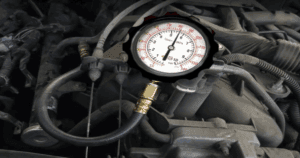 I’ve been there. You’re driving along, everything feels normal, and suddenly you see that dreaded oil pressure warning light. Now your brain is racing:
- Is my engine about to blow?
- Is it just a bad sensor?
- Can I keep driving?
- How expensive is this going to be?
Here’s the truth most people don’t realize: 👉 An oil pressure test is one of the simplest and most powerful diagnostic checks you can do on an engine.
It tells you, clearly and objectively, whether:
- Your oil pump is working
- Your engine bearings are healthy
- Your oil passages are flowing properly
- Your warning light is lying to you
In this guide, I’ll walk you through how to do an oil pressure test the right way, using plain English and real-world experience. No jargon overload. No guessing. Just solid information you can trust.
What Is an Oil Pressure Test?
An oil pressure test measures how much pressure your engine’s oil pump is generating while the engine is running. Oil pressure is critical because:
- It keeps metal parts from touching
- It lubricates bearings, cams, and the crankshaft
- It helps cool internal engine components
Too low pressure = engine damage waiting to happen
Too high pressure = possible blockages or valve issues
An oil pressure test replaces guesswork with real numbers.
When Should You Do an Oil Pressure Test?
You don’t need to wait for disaster. Here are common situations where an oil pressure test makes sense.
Warning Signs
- Oil pressure warning light stays on
- Oil light flickers at idle
- Knocking or ticking noises
- Sudden drop in oil pressure gauge
- Engine overheating
- Loss of power
Situational Checks
- After an engine rebuild
- When buying a used car
- After installing a new oil pump
- When diagnosing oil-related issues
- High-mileage engines (100k+ miles)
If any of these apply, an oil pressure test is absolutely worth doing.
Normal Oil Pressure: What Numbers Should You See?
This is important before testing.
General Rule of Thumb
- Idle (warm engine): 20–30 PSI
- Cruising speeds: 40–60 PSI
- Cold start: Higher is normal (60–80 PSI)
⚠️ These numbers vary by engine. Always check:
- Owner’s manual
- Factory service manual
- Manufacturer specifications
Tools Needed for an Oil Pressure Test
You don’t need a full mechanic’s shop.
Essential Tools
- Mechanical oil pressure gauge
- Gauge hose and fittings
- Wrench or socket set
- Thread sealant or Teflon tape
- Shop rags
- Safety gloves
Optional but Helpful
- Service manual
- Flashlight
- Infrared thermometer
- Scan tool (for comparison)
Mechanical Gauge vs Dashboard Gauge (Comparison Table)
| Feature | Mechanical Gauge | Dashboard Gauge |
| Accuracy | ⭐⭐⭐⭐⭐ | ⭐⭐–⭐⭐⭐ |
| Reliability | Very High | Moderate |
| Cost | Low ($20–$40) | Included |
| Diagnostic Value | Excellent | Limited |
| Failure Rate | Very Low | Sensor-dependent |
Takeaway:
A mechanical oil pressure gauge is always the gold standard for testing.
Step-by-Step: How to Do an Oil Pressure Test (Beginner-Friendly)
Let’s get into the actual process.
Step 1: Park Safely and Let the Engine Cool
- Park on level ground
- Set the parking brake
- Let the engine cool enough to work safely
Hot oil burns are no joke.
Step 2: Locate the Oil Pressure Sensor
Most oil pressure sensors are:
- Near the oil filter
- On the engine block
- Close to the oil gallery
Check your service manual if unsure.
Step 3: Remove the Oil Pressure Sensor
- Unplug the electrical connector
- Use a wrench or socket
- Expect a small amount of oil to leak out
Keep a rag underneath.
Step 4: Install the Mechanical Oil Pressure Gauge
- Thread the gauge fitting into the sensor port
- Use thread sealant (not excessive)
- Tighten snug, not gorilla-tight
Leaks will ruin your readings.
Step 5: Start the Engine
- Start the engine and watch the gauge
- Check for leaks immediately
- Let the engine warm up to operating temperature
Step 6: Record Oil Pressure Readings
Take readings at:
- Cold idle
- Warm idle
- 2,000 RPM
- Highway RPM (if possible)
Write them down.
Step 7: Compare Results to Specifications
Now the truth comes out:
- Normal readings = sensor or wiring issue
- Low readings = mechanical problem
- High readings = blockage or pressure valve issue
Interpreting Oil Pressure Test Results
Low Oil Pressure Causes
- Worn engine bearings
- Failing oil pump
- Clogged oil pickup tube
- Thin or incorrect oil
- Internal engine wear
High Oil Pressure Causes
- Blocked oil passages
- Stuck pressure relief valve
- Wrong oil viscosity
- Cold engine (normal temporarily)
Common Oil Pressure Test Mistakes
I’ve seen these too many times.
- Testing with cold oil only
- Ignoring manufacturer specs
- Using cheap, inaccurate gauges
- Over-tightening fittings
- Assuming low pressure = dead engine (not always)
Slow down and test properly.
Oil Pressure Test Buyer’s Guide: Choosing the Right Gauge
Not all oil pressure gauges are equal.
What to Look For
- PSI ranges up to 100
- Multiple adapter fittings
- Clear, easy-to-read dial
- Durable hose
- Trusted brand reviews
Avoid
- Plastic-only fittings
- Poor-quality hoses
- No-name gauges with vague markings
A good gauge pays for itself the first time you avoid a misdiagnosis.
Oil Pressure Test vs Oil Pressure Sensor Test
| Test Type | Purpose | Accuracy |
| Mechanical Oil Pressure Test | Measures actual pressure | ⭐⭐⭐⭐⭐ |
| Sensor Electrical Test | Checks sensor function | ⭐⭐⭐ |
| Dashboard Gauge | Driver info only | ⭐⭐ |
Always trust the mechanical test first.
Is It Safe to Drive With Low Oil Pressure?
Short answer: No.
Even a few minutes of low oil pressure can:
- Damage bearings
- Score crankshaft journals
- Destroy camshafts
- Lead to full engine failure
If your oil pressure test confirms low pressure, stop driving.
Read More: Best Car Battery Charger for Cold Weather | My Honest Experience
FAQs: How To Do An Oil Pressure Test
Can I do an oil pressure test at home?
Yes. Most DIYers can complete it in under 30 minutes.
How much does an oil pressure test cost?
DIY: $20–$40
Shop: $80–$150
Will low oil cause low oil pressure?
Absolutely. Always check the oil level first.
Can bad oil cause low pressure?
Yes. Wrong viscosity or degraded oil can reduce pressure.
Is fluctuating oil pressure normal?
Small fluctuations are normal. Large swings are not.
Can an oil pressure test damage my engine?
No, if done correctly with proper fittings.
Final Thoughts: Is an Oil Pressure Test Worth It?
100% yes.
An oil pressure test is one of the most valuable diagnostics you can perform on an engine. It removes guesswork, saves money, and can prevent catastrophic failure.
If you’re seeing warning lights, hearing noises, or buying a used car, do the test. It’s simple, affordable, and incredibly revealing.