Few things are more frustrating than turning on your car’s air conditioning on a hot day… and getting nothing but warm air. I’ve been there myself. The AC fan runs, the vents blow air, but the AC compressor simply refuses to turn on.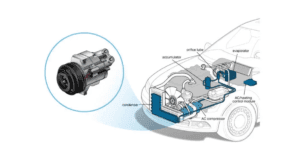 At first, I assumed the worst, that the compressor had completely failed. But after some hands-on troubleshooting and research, I discovered that many different issues can prevent a car AC compressor from turning on, and surprisingly, some fixes are simple and inexpensive.
In this guide, I’ll share my personal experience diagnosing an AC system problem and walk you through everything you need to know if your car’s AC compressor is not turning on.
We’ll cover:
- How a car AC compressor works
- The most common reasons the compressor won’t engage
- How to diagnose the issue step-by-step
- Cost comparisons for possible repairs
- A buyer’s guide for replacement compressors
- Expert tips to prevent future AC problems
- Frequently asked questions
Whether you’re a DIY car owner or just trying to understand what your mechanic is talking about, this guide will help you diagnose AC compressor problems confidently.
How a Car AC Compressor Works
Before diving into why the compressor won’t turn on, it helps to understand what it actually does. The AC compressor is the heart of your car’s air conditioning system.
It pressurizes refrigerant and circulates it through the AC system so heat can be removed from the cabin. The compressor is powered by the engine via a serpentine belt and controlled by an electromagnetic clutch.
When you turn on the AC:
- The AC system sends a signal to the compressor clutch.
- The clutch engages.
- The compressor begins spinning.
- Refrigerant circulates through the system.
- Cold air flows through the vents.
If the compressor doesn’t engage, the entire cooling process stops.
My Experience: When My Car AC Compressor Wouldn’t Turn On
A few summers ago, my car’s AC suddenly stopped cooling. The fan worked perfectly, but the air was warm. I opened the hood and noticed something interesting:
The compressor pulley was spinning, but the compressor clutch wasn’t engaging. After troubleshooting, I found the real problem wasn’t the compressor itself; it was low refrigerant pressure, which caused the pressure switch to shut the compressor off.
Once the refrigerant was recharged and the leak fixed, the compressor started working again. That experience taught me something important:
In many cases, the compressor isn’t broken; something else is preventing it from turning on.
Common Reasons a Car AC Compressor Is Not Turning On
Several different components can stop the compressor from engaging.
1. Low Refrigerant Levels
This is the most common cause. Modern AC systems use pressure switches that prevent the compressor from running when the refrigerant is too low.
Why?
Running the compressor without enough refrigerant can damage it. Symptoms include:
- Compressor clutch not engaging
- Warm air from vents
- AC cycling on and off
2. Faulty AC Compressor Clutch
The clutch is responsible for connecting the compressor to the engine belt. If the clutch fails:
- The pulley spins
- The compressor stays off
Common causes:
- Worn clutch plate
- Electrical failure
- Coil burnout
3. Blown AC Fuse or Relay
Electrical issues can prevent the compressor from receiving power. Check:
- AC fuse
- Compressor relay
- Wiring connectors
A blown fuse is often the quickest and cheapest fix.
4. Faulty AC Pressure Switch
The pressure switch monitors refrigerant pressure. If pressure is too:
- Low
- High
The switch disables the compressor. A faulty pressure switch can also falsely signal a problem.
5. Bad AC Compressor
Sometimes the compressor itself fails. Common signs include:
- Grinding noise
- Seized pulley
- Metal debris in the AC system
Unfortunately, this is usually the most expensive repair.
Repair Cost Comparison
Here’s a quick comparison of the most common fixes when the AC compressor won’t turn on.
| Problem | Average Repair Cost | Difficulty | Typical Fix Time |
| Low Refrigerant | $100 – $300 | Easy | 30–60 minutes |
| Blown Fuse | $5 – $20 | Very Easy | 5 minutes |
| Bad Relay | $20 – $50 | Easy | 10 minutes |
| Pressure Switch Failure | $100 – $250 | Moderate | 1 hour |
| Compressor Clutch Failure | $200 – $500 | Moderate | 2 hours |
| Compressor Replacement | $700 – $1,500 | Hard | 4–6 hours |
As you can see, diagnosing the issue properly can save hundreds of dollars.
Step-By-Step Troubleshooting Guide
If your AC compressor isn’t turning on, here’s a practical way to diagnose it.
Step 1: Start the Engine and Turn on the AC
Set AC to maximum cooling.
Look under the hood and watch the compressor pulley.
Step 2: Check the Compressor Clutch
Two things should happen:
- Pulley spins continuously
- Clutch engages periodically
If the clutch never engages, there’s likely an electrical or pressure problem.
Step 3: Check the AC Fuse
Locate the fuse box.
Look for the AC compressor fuse and check if it’s blown.
Step 4: Inspect the AC Relay
Swap the AC relay with another identical relay to test it.
Step 5: Check Refrigerant Pressure
Use an AC gauge set. If the pressure is too low, the compressor will not turn on.
Step 6: Test the Compressor Clutch Voltage
Use a multimeter to check if power reaches the clutch. No power = electrical issue. Power present but no engagement = bad clutch.
Signs Your AC Compressor Is About to Fail
Sometimes compressors give warning signs before completely failing. Watch for:
- Loud clicking noise
- Grinding sound
- AC is blowing warm air
- Burning smell
- AC working intermittently
Catching the problem early can save money.
Buyer’s Guide: Choosing the Right Replacement AC Compressor
If you determine that the compressor needs replacement, choosing the right one matters. Here’s what I learned while researching replacement compressors.
1. OEM vs Aftermarket Compressors
OEM compressors are made by the original manufacturer.
Pros:
- Perfect fit
- Reliable performance
Cons:
- Higher price
Aftermarket compressors are cheaper, but quality varies.
2. New vs Remanufactured Compressors
Remanufactured compressors are rebuilt units.
Pros:
- Much cheaper
- Environmentally friendly
Cons:
- Shorter lifespan in some cases
3. Compatibility With Your Vehicle
Always verify:
- Engine size
- Model year
- AC system type
Even small differences can affect compatibility.
4. Warranty Coverage
A good compressor should include at least:
- 1-year warranty
- Compressor clutch coverage
Some brands offer 3-year warranties.
5. Complete AC Kit vs Compressor Only
Sometimes it’s better to buy a full kit including:
- Compressor
- Receiver dryer
- Expansion valve
- Seals
This prevents contamination from damaging the new compressor.
Preventing AC Compressor Problems
Proper maintenance can dramatically extend compressor life.
Run the AC Regularly
Even in winter, run the AC for a few minutes weekly. This keeps seals lubricated.
Fix Refrigerant Leaks Quickly
Low refrigerant can destroy a compressor.
Replace Cabin Air Filter
A clogged filter restricts airflow and strains the AC system.
Keep Condenser Clean
Dirt and debris reduce cooling efficiency.
Pros and Cons of Replacing a Compressor
Pros
✔ Restores cold air performance
✔ Improves comfort during hot weather
✔ Prevents further AC system damage
Cons
✘ Expensive repair
✘ Requires refrigerant recharge
✘ Sometimes other parts also need replacement
When Should You See a Mechanic?
You may need professional help if:
- The compressor is seized
- The refrigerant leak is large
- Electrical system diagnosis is complex
Professional AC tools include:
- Refrigerant recovery machines
- Leak detectors
- Vacuum pumps
Read More: What Is a Fuel Pump in a Car
FAQs: Car AC Compressor Not Turning On
Why is my AC compressor not engaging, but the fan works?
This usually indicates:
- Low refrigerant
- Bad pressure switch
- Faulty compressor clutch.
Can a bad battery cause AC compressor issues?
Yes. Low voltage may prevent the compressor clutch from engaging.
Can I drive with the AC compressor not working?
Yes. It won’t damage the engine, but you won’t have air conditioning.
How do I force the AC compressor to turn on?
You can manually apply power to the clutch for testing, but this should only be done briefly and carefully.
How long should a car AC compressor last?
Most compressors last 8–12 years, depending on usage and maintenance.
Is it worth replacing a compressor on an old car?
If the vehicle is otherwise reliable, replacing the compressor can still be worthwhile.
Final Thoughts
When your car AC compressor isn’t turning on, it can feel like a major problem. But in reality, the cause is often something relatively simple, like low refrigerant or a blown fuse.
From my experience troubleshooting AC systems, the key is proper diagnosis before replacing expensive parts. Start with the easy checks:
- Fuses
- Relays
- Refrigerant level
Only then move toward compressor replacement. By understanding how the system works and what causes compressors to fail, you can save money and get your AC blowing cold air again faster.