If you’ve ever turned on your car’s air conditioning and noticed dusty air, a strange smell, or weak airflow, the problem might be something surprisingly simple: a dirty cabin air filter.
Most drivers focus on oil changes and tire rotations, but the cabin air filter is one of the most overlooked maintenance items in a vehicle. Yet it directly affects the air you breathe inside your car every day. So the big question is: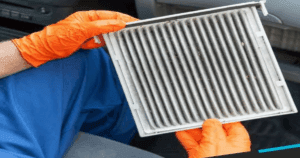 How often should you replace a car cabin air filter? In most cases, experts recommend replacing the cabin air filter every 12,000 to 15,000 miles or once a year.
However, this can vary depending on driving conditions, climate, and the type of filter used. In this in-depth guide, we’ll explore:
- Recommended cabin air filter replacement intervals
- Signs your filter needs replacing
- Different types of cabin air filters
- Replacement costs
- A detailed buyer’s guide
- Tips to extend filter life
- Frequently asked questions
How Often To Replace a Car Cabin Air Filter
Here’s a quick overview of typical replacement intervals.
| Driving Condition | Recommended Replacement Interval | Reason |
| Normal driving | Every 12,000–15,000 miles | Standard maintenance |
| City driving | Every 10,000 miles | Higher pollution |
| Dusty or rural roads | Every 8,000–10,000 miles | Dirt accumulation |
| Allergy-sensitive drivers | Every 6–8 months | Better air quality |
| High-performance filters | Up to 20,000 miles | Improved filtration materials |
If you live in an area with heavy traffic, pollution, or dust, replacing it more frequently can significantly improve air quality inside the car.
What Is a Car Cabin Air Filter?
A cabin air filter is a small rectangular filter located inside your vehicle’s ventilation system.
Its job is to filter air entering the cabin through the heating, ventilation, and air conditioning (HVAC) system.
The filter traps:
- Dust
- Pollen
- Dirt
- Mold spores
- Pollution particles
- Road debris
Without a functioning cabin air filter, these contaminants can enter the car’s interior.
Why Cabin Air Filters Are Important
Many people underestimate how important this filter is. Here are the main reasons it matters.
1. Cleaner Air Inside the Car
A clean cabin air filter removes pollutants and allergens before they enter the cabin. This is especially important for people with:
- Allergies
- Asthma
- Respiratory sensitivity
2. Better HVAC Performance
A clogged filter restricts airflow, making the air conditioner and heater work harder. Replacing the filter helps maintain:
- Strong airflow
- Faster cooling and heating
3. Reduced Odors
Dirty filters can trap moisture and organic debris, which may produce musty smells inside the car. A fresh filter keeps the interior smelling clean.
My Personal Experience Replacing a Cabin Air Filter
A few years ago, I noticed my car’s air conditioner was blowing weaker air, even though the fan was set to high. At first, I assumed it was an AC problem.
But after checking the cabin filter, I found it was completely clogged with dust, leaves, and debris. After installing a new filter:
- Airflow improved immediately
- The musty smell disappeared
- The AC cooled the cabin faster
The entire replacement cost less than $20 and took about 5 minutes. It was one of the easiest and most satisfying car maintenance tasks I’ve ever done.
Signs Your Cabin Air Filter Needs Replacement
Your car will usually show clear symptoms when the filter is clogged.
1. Weak Airflow From Vents
If air coming from the vents feels weak even at high fan settings, the filter may be restricting airflow.
2. Bad Odors Inside the Cabin
A dirty filter can trap moisture and bacteria, creating:
- Musty smells
- Moldy odors
- Dusty air
3. Increased Dust on Dashboard
If you notice dust accumulating quickly inside the cabin, the filter may no longer be working effectively.
4. Allergy Symptoms While Driving
If passengers experience:
- Sneezing
- Watery eyes
- Nasal irritation
The filter may be full of pollen or allergens.
5. Foggy Windows
Restricted airflow can reduce the effectiveness of the defroster, causing windows to fog more easily.
Types of Car Cabin Air Filters
Not all cabin filters are the same. Here’s a comparison of the most common types.
| Filter Type | Filtration Level | Average Cost | Best For |
| Particle Filter | Basic dust and debris | $10 – $25 | Budget drivers |
| Activated Carbon Filter | Removes odors and gases | $20 – $40 | Urban environments |
| HEPA Cabin Filter | High-efficiency filtration | $30 – $60 | Allergy sufferers |
| Premium Multi-Layer Filter | Maximum filtration | $40 – $80 | High pollution areas |
Choosing the right type depends on your driving environment and personal health needs.
Cabin Air Filter Replacement Cost
Replacing a cabin air filter is usually inexpensive. Here’s a typical cost breakdown.
| Service | Average Cost |
| DIY replacement | $10 – $40 |
| Mechanic replacement | $40 – $120 |
| Dealership service | $80 – $150 |
DIY replacement is usually the cheapest option and takes only 5–15 minutes for most vehicles.
Where Is the Cabin Air Filter Located?
The filter is typically located in one of three places:
Behind the glove box
This is the most common location.
Under the dashboard
Some vehicles place the filter near the center console.
Under the hood
Older vehicles sometimes mount the filter near the windshield. Checking your vehicle’s owner’s manual will confirm the exact location.
Buyer’s Guide: Choosing the Right Cabin Air Filter
When purchasing a replacement cabin air filter, consider these important factors.
1. Compatibility With Your Vehicle
Always check that the filter is designed for your specific needs:
- Make
- Model
- Year
Using the wrong size can cause installation problems.
2. Filtration Efficiency
Higher filtration levels remove more pollutants. Drivers in urban or polluted areas should consider:
- Carbon filters
- HEPA filters
3. Build Quality
A good filter should have:
- Strong frame construction
- Durable filter media
- Proper sealing of edges
Cheap filters may allow contaminants to bypass the filter.
4. Activated Carbon Layer
Carbon filters remove:
- Exhaust fumes
- Industrial pollution
- Unpleasant odors
They are ideal for drivers in high-traffic cities.
5. Warranty and Brand Reputation
Well-known brands often offer higher reliability and better filtration technology. Reading reviews can help identify quality products.
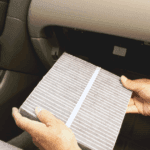
How To Replace a Cabin Air Filter Yourself
Replacing a cabin air filter is one of the easiest car maintenance tasks. Typical steps include:
- Open the glove compartment.
- Remove the retaining clips or panel.
- Slide out the old filter.
- Insert the new filter with the correct airflow direction.
- Reinstall the panel.
Most replacements take under 10 minutes.
Tips to Extend the Life of Your Cabin Air Filter
You can make your filter last longer with a few simple habits.
Avoid driving in heavy dust when possible
Construction zones and dirt roads can quickly clog filters.
Clean the dashboard vents
Removing dust from vents prevents contamination of the filter.
Replace filters before allergy season
Fresh filters improve air quality during high pollen months.
Run the HVAC system regularly
Using the ventilation system helps prevent moisture buildup.
Cabin Air Filter vs Engine Air Filter
Many people confuse these two filters.
| Feature | Cabin Air Filter | Engine Air Filter |
| Function | Cleans the air entering the cabin | Cleans the air entering the engine |
| Location | HVAC system | Engine intake |
| Replacement Interval | 12,000–15,000 miles | 15,000–30,000 miles |
| Main Benefit | Cleaner air for passengers | Better engine performance |
Both filters are important for different reasons.
Read More: How Much Are Car Rotors
FAQs: How Often To Replace the Car Cabin Air Filter
How often should I replace my cabin air filter?
Most manufacturers recommend replacing it every 12,000 to 15,000 miles or once per year.
What happens if you don’t replace the cabin air filter?
A dirty filter can cause:
- Poor airflow
- Bad odors
- Reduced AC efficiency
- Increased allergens inside the car
Is replacing a cabin air filter difficult?
No. In most vehicles, it takes 5–10 minutes and requires no tools.
Are expensive cabin air filters worth it?
Premium filters with activated carbon or HEPA materials can improve air quality, especially for drivers in polluted areas.
Does the cabin air filter affect air conditioning?
Yes. A clogged filter restricts airflow, making the AC system less effective.
Can you clean a cabin air filter instead of replacing it?
Most cabin air filters are not designed to be cleaned. Replacement is usually recommended.
Final Thoughts
Replacing your car cabin air filter is one of the easiest and most affordable ways to improve the air quality inside your vehicle.
While the typical replacement interval is every 12,000–15,000 miles, drivers in dusty environments or polluted cities may need to replace the filter more frequently.
A clean filter ensures:
- Fresh air inside the cabin
- Better HVAC performance
- Reduced allergens and pollutants
Considering that the replacement cost is often less than $40, it’s a small investment that can make every drive more comfortable and healthier.