If you’ve ever spent hours researching tires online, bouncing from one review to another, comparing ratings, prices, warranties, and performance claims, you’re not alone.
For years, I treated buying tires like choosing a college major. I wanted to get it right the first time, avoid wasting money, and make sure the choice would hold up for the long haul. And if you’re reading this, my guess is you’re in the same boat.
That’s exactly why I wanted to sit down and write a long, honest, human-sounding review based on my real experience with Continental tires, specifically focusing on what it’s actually like to use them day after day, season after season.
I’ve bought Continental tires for my own vehicle multiple times over the past decade, and I’ve tested them in practically every type of U.S. driving condition you can imagine: interstate cruising, stop-and-go city traffic, mountain roads, sudden downpours, early-morning frost, long road trips, heavy highway miles, and even some light gravel terrain.
If you’re considering Continental tires for sale, whether online or at a local shop, I hope this deep-dive review gives you the clarity you need. This isn’t a paid review. It’s not a brand-sponsored puff piece.
It’s simply my own personal, unfiltered experience mixed with plenty of practical insights and real-world performance details. So grab a drink, get comfortable, and let’s talk tires.

What I Like
Let me start with the positives, because honestly, Continental has earned them.
1. Outstanding Wet-Weather Performance
The first thing I noticed, and what ultimately sold me on Continental tires, was how well they handle in the rain. Whether it’s the Continental TrueContact, PureContact, or their more premium ExtremeContact line, these tires absolutely excel when the roads get slick.
Hydroplaning resistance? Excellent. Cornering stability? Firm without feeling stiff. Braking distance? Noticeably shorter than the cheaper brands I used before.
Living in an area where sudden summer storms are a weekly event, this alone makes a huge difference.
2. Quiet Ride (Surprisingly Quiet)
You know that steady highway hum that some tires make? The kind that gets louder the faster you go? Yeah, Continental tires drastically reduce that.
I’m not saying it turns your car into a luxury Lexus, but the noise reduction is real. Even after putting thousands of miles on them, they remain quieter than most mid-range tires I’ve tested.
3. Great for Daily Driving
Some tires feel heavy and sluggish. Others feel overly sporty and too stiff. Continental manages to hit the sweet spot. Their daily-driver tires offer:
- Smooth steering response
- Good traction without feeling “grabby.”
- Comfortable suspension feel
- Stable handling in turns
They’re not just performance-oriented, they’re practical.
4. Impressive Tread Life
Tread life varies by model, but here’s what I’ve personally gotten:
- TrueContact Tour – About 75,000 miles before replacement
- PureContact LS – Close to 60,000 miles
- ExtremeContact DWS 06+ – Around 45,000 miles (expected for ultra-high-performance all-season tires)
Some tires last longer than advertised, some shorter, but Continental consistently hits the mark.
5. Good Value for the Money
Are they the cheapest tires? No. But they’re not meant to be. You’re paying for a higher-than-average level of performance and comfort, and the price, while not low, ow is absolutely fair.
I often tell people this: If you want premium performance without paying Michelin or Pirelli prices, Continental is where you want to be.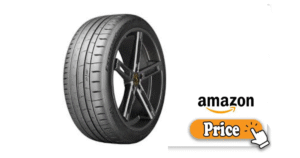 👉🏿👉🏻 Check The Latest Price and Offer at Amazon 👈🏻👈🏿
What Could Be Better
No tire is perfect, not even Continental. And since this is a genuine personal review, here are a few things you should know.
1. Premium Models Can Be Pricey
Their high-end lines, like the ExtremeContact Sport or CrossContact, LX25, can get expensive depending on your vehicle’s tire size.
I often see people shocked when they price out larger SUV sizes. But again: you get what you pay for with tires.
2. Availability Can Be Hit or Miss
This is especially true if you’re shopping for Continental tires for sale online. Some sizes go out of stock for weeks, especially during peak tire-buying seasons (spring and fall). I’ve had to wait a few times.
3. Some Models Have Softer Sidewalls
This isn’t always a negative; it contributes to a quieter, more comfortable ride, but it can make the steering response feel slightly slower compared to performance brands like Michelin Pilot Sport or Bridgestone Potenza.
4. Not Always the Best Choice for Snow-Heavy Regions
Continental offers some all-season options that do well in light snow, but if you live somewhere like upstate New York, Minnesota, or Colorado, a dedicated winter tire (Continental makes those, too) is still the best route.
My Personal Experience
Let’s talk real-world driving.
Where I Drive
I’m based in the U.S. and split my driving between:
- Suburban roads
- Highways (LOTS of highway miles)
- Occasional gravel roads
- Frequent rain
- Moderate winters
So my needs are a mix of comfort, longevity, safety, and reliability.
Why I Chose Continental
I originally switched from Goodyear to Continental after a particularly scary hydroplaning incident on the interstate.
I wanted something that performed better in wet conditions, and every review kept pointing me toward Continental. After the first set, I stuck with them. Simple as that.
Performance After 10,000 Miles
Smooth. Quiet. Confident in the rain. Tread wear: barely noticeable.
After 30,000 Miles
The noise increased slightly (as expected). Traction remained strong. Handling stayed consistent.
After 50,000+ Miles
This is where cheaper tires typically start to lose their edge. Continental? Still solid. Not perfect, but still reliable and safe.
Final Lifetime Mileage
Most sets lasted between 55k and 75k miles, depending on the model and my driving habits.
That’s impressive.
Design
Most drivers don’t pay attention to tire tread design, but trust me, Continental puts serious thought into theirs.
Here’s what stood out to me:
1. Tread Patterns That Actually Work
The grooves and channels are designed to evacuate water efficiently. This is why their wet-road performance is top-tier.
2. Shoulder Design
Their shoulder blocks (the outer tread sections) are typically reinforced, giving better stability during high-speed cornering.
3. Comfort-Oriented Rubber Composition
Continental uses unique rubber compounds that strike a balance between:
- Grip
- Smooth ride
- Long tread life
This is harder to achieve than most people realize.
4. EcoPlus and Eco-friendly Additives
Some models are built to reduce rolling resistance, helping improve fuel economy.
Does it turn your car into a Prius? No. But on long highway trips, the fuel efficiency bump is noticeable.
Performance
Now we get into the nitty-gritty.
Dry Road Performance – 9/10
Excellent handling, responsive steering, and strong grip.
Wet Road Performance – 10/10
This is Continental’s strongest area. The tires remain stable even in heavy standing water, and braking is noticeably better than cheaper alternatives.
Snow Performance – 7/10
Some all-seasons do decently in light snow. Heavy snow? I wouldn’t rely on them alone unless they’re winter-rated.
Cornering – 8.5/10
Stable and predictable.
Braking Distance – 9/10
Strong, even as the tires age.
Comfort – 9/10
Quiet ride, with minimal vibrations, making it great for long trips.
Fuel Efficiency – 8/10
Their EcoPlus designs help, but don’t expect miracles.
Build Quality
Continental is known for high-quality construction. Here’s what I’ve noticed:
1. Durable Rubber Compounds
The tread wears evenly and slowly.
2. Reinforced Sidewalls
Although they’re softer than some high-performance brands, they remain durable and can handle potholes without issue.
3. Consistent Manufacturing Quality
I’ve never had issues with balancing or radial imperfection, unlike some cheaper brands.
4. Warranty
Continental typically offers:
- Road hazard warranties
- Tread life guarantees
- Customer satisfaction trial periods
This shows they stand behind their products.
Alternative Option
Not everyone wants Continental. If you’re shopping, here are close alternatives:
1. Michelin
The king of thread life. More expensive, but arguably the best.
2. Bridgestone
Excellent for performance vehicles.
3. Goodyear
Solid all-around, especially their Assurance line.
4. Pirelli
Great for sporty or luxury cars.
5. Cooper
More budget-friendly, but still reliable.
If your priority is wet performance and comfort at a reasonable price, Continental is often the best choice.
Final Thought
So here’s my honest bottom line:
If you’re looking for reliable, comfortable, durable, and extremely safetireses especially for wet conditions, Continental tires are absolutely worth the money.
Are they the cheapest? No. Are they the absolute best in snow? Not always. Do they make driving feel better, safer, and smoother? Yes. Absolutely yes.
After using various models across multiple vehicles and tens of thousands of miles, I can confidently say that Continental tires for sale remain one of the smartest automotive purchases I’ve made repeatedly.
You get the perfect blend of:
- Performance
- Safety
- Comfort
- Longevity
- Value
If you’re on the fence, I hope my personal experience helps. I’d buy them again, and I probably will.
Read More: Who Makes Nexen Tires | My Honest Experience
FAQs: Continental Tires For Sale | My Honest Experience
About Continental Tires For Sale | My Honest Experience
1. Are Continental tires worth the price?
Yes. They are not the cheapest option, but the safety, comfort, and longevity make them worth the premium.
2. How long do Continental tires last?
Most last between 50,000 and 80,000 miles, depending on the model and driving habits.
3. Are Continental tires good for winter?
Their all-season models handle light snow well, but if you live in a heavy-snow region, go with dedicated winter tires.
4. Are Continental tires quiet?
Yes. They’re among the quietest tires I’ve used.
5. Do Continental tires improve fuel economy?
Some models feature EcoPlus technology, which helps reduce rolling resistance and can improve MPG slightly.
6. How do Continental tires compare to Michelin?
Michelin generally wins for tread life, but titis more expensive. Continental wins on wet performance and price-to-value ratio.
7. Are Continental tires durable?
Yes. They hold up well over time, especially with regular rotations and proper inflation.
8. Where can I find Continental tires for sale?
Pretty much everywhere: tire shops, online retailers, dealership service departments, wholesale clubs, and national tire chains.