If you’ve ever driven in the middle of summer and suddenly realized your car’s air conditioning isn’t blowing cold air, you know how miserable the experience can be.
I’ve been there myself, stuck in traffic with the windows down, hot air blasting through the cab, and wondering what just happened to my AC. In many cases, the culprit behind this uncomfortable situation is a failing AC compressor.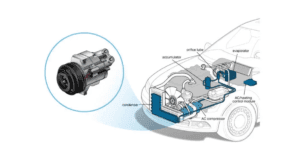 The AC compressor is the heart of your car’s air conditioning system. Without it, refrigerant cannot circulate properly, and your vehicle simply cannot produce cold air. Unfortunately, compressors don’t usually fail overnight.
They almost always show warning signs before they completely stop working. The problem is that many drivers ignore these symptoms until the AC stops working entirely, ly which often leads to more expensive repairs.
In this guide, I’ll walk you through:
- The most common car AC compressor failure symptoms
- How to recognize problems early
- What causes compressor damage
- How much do repairs typically cost
- What to look for when replacing a compressor
Think of this as a practical, real-world guide from someone who has dealt with AC problems more times than I’d like to admit. Let’s start with the warning signs.
Common Car AC Compressor Failure Symptoms
When a compressor begins to fail, the car usually gives you clear signals. Catching them early can save hundreds of dollars in repairs.
1. Warm Air Coming from the AC
This is the most obvious sign.
When the compressor stops compressing refrigerant properly, the AC system cannot produce cold air.
What you might notice:
- AC blows room temperature air
- The air becomes warm while driving
- Cooling is inconsistent
Sometimes the air starts cold but gradually becomes warm as the compressor struggles to maintain pressure. This is usually the first symptom drivers notice.
2. Loud Noises When AC Is On
A failing compressor often produces strange sounds. These noises usually occur when:
- Internal bearings wear out
- Compressor clutch fails
- Internal parts break
Common sounds include:
- Grinding
- Squealing
- Clicking
- Rattling
I once had a compressor that made a metal grinding noise every time I turned on the AC. Within a week, it completely seized. Ignoring this sound can lead to complete compressor failure.
3. AC Compressor Clutch Not Engaging
The compressor clutch connects the compressor to the engine. When working properly:
- The clutch engages when you turn on the AC
- The compressor begins compressing refrigerant
If it fails, the compressor never turns on.
Signs include:
- AC button lights up, but no cooling
- Compressor pulley spispinsbut cluthe tch does not engage
- Clicking sound but no activation
Sometimes the issue is electrical, but often it’s a failing compressor or clutch assembly.
4. Refrigerant Leaks
A damaged compressor can develop refrigerant leaks. You might notice:
- Oily residue neain thempressor
- AC is losing cooling performance
- Frequent need for refrigerant recharge
Leaks often occur due to:
- Worn seals
- Cracked compressor housing
- Loose connections
Refrigerant leaks reduce system pressure, making the AC ineffective.
5. AC System Pressure Issues
Compressors maintain the correct pressure in the AC system. When they fail, pressure becomes too high or too low, which affects cooling performance.
Symptoms include:
- AC cycling on and off frequently
- Weak cooling
- Frost on AC lines
A mechanic usually confirms this issue with pressure gauges.
6. Compressor Seizing
In severe cases, the compressor can lock up completely. This may cause:
- Engine stalling
- Burning rubber smell
- Serpentine belt damage
A seized compressor can even break the belt, affecting other components like:
- Alternator
- Power steering
- Water pump
This is one of the most serious compressor failures.
Quick Symptom Comparison Table
| Symptom | What It Means | Severity | Recommended Action |
| Warm air from the AC | Compressor not compressing refrigerant | Medium | Diagnose compressor |
| Loud grinding noise | Internal compressor damage | High | Replace compressor |
| Clutch not engaging | Electrical or clutch failure | Medium | Check clutch and wiring |
| Refrigerant leaks | Seal or housing damage | Medium | Inspect and repair leaks |
| AC pressure problems | Compressor failing internally | High | Professional diagnosis |
| Compressor seized | Complete failure | Critical | Immediate replacement |
What Causes AC Compressor Failure?
Understanding the causes can help prevent future problems.
1. Low Refrigerant Levels
Low refrigerant causes poor lubrication, which damages compressor components.
This usually happens due to leaks.
2. Dirty or Contaminated Refrigerant
Contaminants like:
- Moisture
- Dirt
- Metal debris
can damage the compressor internally.
3. Electrical Problems
Faulty wiring, blown fuses, or sensor issues can prevent the compressor from functioning correctly.
4. Lack of AC Usage
Surprisingly, not using your AC for long periods can cause seals to dry out and fail.
Experts recommend running the AC at least once a week.
5. Aging Components
Like any mechanical part, compressors eventually wear out. Most compressors last:
8–12 years or 100,000+ miles
depending on maintenance.
My Personal Experience With AC Compressor Failure
A few summers ago, my car started blowing slightly warm air, but only during long drives. At first, I ignored it.
Then I noticed a rattling sound when the AC kicked on. Within two weeks:
- Cooling stopped completely
- Compressor clutch stopped engaging
- The system lost refrigerant
The final repair bill? $950 for a new compressor and recharge. If I had caught the symptoms earlier, I probably could have saved several hundred dollars.
Lesson learned.
Buyer’s Guide: Replacing a Car AC Compressor
If your compressor fails, choosing the right replacement matters. Here’s what to consider.
1. OEM vs Aftermarket Compressors
OEM (Original Equipment Manufacturer)
Pros:
- Perfect fit
- Reliable quality
- Longer lifespan
Cons:
- Expensive
Aftermarket Compressors
Pros:
- Cheaper
- Widely available
Cons:
- Quality varies
For long-term reliability, I personally prefer OEM or premium aftermarket brands.
2. New vs Remanufactured
New Compressor
Best option for reliability. More expensive but longer lifespan.
Remanufactured Compressor
Rebuilt from used units.
Pros:
- Cheaper
Cons:
- Shorter lifespan
- Higher risk of failure
3. Warranty
Always choose compressors with at least a 1–2 year warranty.
A good warranty indicates manufacturer confidence.
4. Compatibility
Make sure the compressor matches:
- Vehicle make
- Model
- Engine type
- AC system type
Incorrect fitment can damage the system.
5. Full AC System Service
When replacing a compressor, mechanics often recommend:
- Flushing the AC system
- Replacing the receiver/drier
- Adding new refrigerant oil
This prevents contamination from damaging the new compressor.
Average AC Compressor Replacement Cost
Repair costs vary depending on the car.
| Vehicle Type | Average Repair Cost |
| Economy cars | $500 – $900 |
| Mid-size vehicles | $700 – $1,200 |
| Luxury vehicles | $1dryer– $2,500 |
Labor is often the biggest expense, since compressors are difficult to access in some vehicles.
How to Prevent AC Compressor Failure
Preventive maintenance can extend compressor life.
Run the AC regularly
Even during winter, run it for 10 minutes weekly.
Fix refrigerant leaks quickly
Low refrigerant damages compressors.
Replace cabin air filters
Dirty filters reduce airflow and strain the AC system.
Get annual AC inspections
A simple check can detect problems early.
Read More: What Is An AC Belt In A Car
FAQs: Car AC Compressor Failure Symptoms
How do I know if my AC compressor is bad?
Common signs include:
- Warm air from vents
- Loud grinding noises
- Compressor clutch not engaging
- Refrigerant leaks
Can I drive with a bad AC compressor?
Yes, but it’s not recommended. A seized compressor can damage the serpentine belt, affecting other engine systems.
How long do car AC compressors last?
Most compressors last 8–12 years with proper maintenance.
Can a bad compressor damage the AC system?
Yes. Metal debris from a failing compressor can contaminate the entire system. This often requires:
- AC system flushing
- Component replacement
Is it worth replacing a compressor?
In most cases, yes. A functioning AC system improves:
- Comfort
- Defogging capability
- Resale value
Can low refrigerant destroy a compressor?
Yes. Low refrigerant reduces lubrication, causing internal wear and overheating.
Final Thoughts
A failing AC compressor rarely fails without warning. Most drivers experience several symptoms first, such as:
- Warm air
- Strange noises
- Clutch problems
- Refrigerant leaks
Recognizing these early signs can save money and prevent larger repairs. From personal experience, ignoring small AC issues almost always leads to bigger problems later.
If your car shows any of these symptoms, it’s best to get the AC system inspected quickly. Your future self, especially during a hot summer drive,e will thank you.