Most drivers know about oil filters and engine air filters, but the cabin air filter is one of the most overlooked parts of a car. Yet it plays a huge role in the comfort and health of everyone inside your vehicle.
When I first learned about cabin air filters, I realized something surprising: many people drive for years without replacing them. I once checked a friend’s car that had been running the same cabin filter for over 5 years, and it looked like a miniature dust storm had been trapped inside.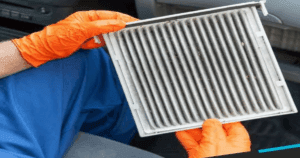 The cabin air filter is responsible for cleaning the air that enters your car’s interior through the heating, ventilation, and air conditioning (HVAC) system. It removes dust, pollen, pollutants, mold spores, and even some bacteria before they reach your lungs.
So naturally, the question many drivers ask is: How long does a car cabin air filter actually last? The short answer is: Most cabin air filters last 12,000 – 30,000 miles (19,000 – 48,000 km) or about once every year.
However, the real answer depends on several factors, including driving environment, climate, air pollution levels, and the type of filter used. In this detailed guide, I’ll break down:
- Typical cabin air filter lifespan
- Signs your filter needs replacement
- Different types of cabin filters
- A comparison table of filter types
- My personal experience replacing filters
- A complete buyer’s guide
- Expert tips to make your filter last longer
- Frequently asked questions
Let’s dive in.
What Is a Car Cabin Air Filter?
Before discussing lifespan, it’s important to understand what the filter actually does. A cabin air filter is a small rectangular filter made of paper, cotton, or activated carbon that sits inside your car’s ventilation system.
Its job is to clean incoming air before it reaches the car’s interior. It blocks:
- Dust
- Pollen
- Air pollution
- Mold spores
- Insects
- Road debris
- Some odors
Without it, every time you turn on the AC or heater, unfiltered air enters your cabin. If you drive in cities with heavy traffic, construction dust, or pollution, the cabin air filter becomes even more important.
Average Cabin Air Filter Lifespan
Most manufacturers recommend replacing the cabin air filter every:
12,000 – 30,000 miles
or
Once every 12 months
However, that recommendation assumes normal driving conditions.
Typical Lifespan Based on Driving Conditions
| Driving Environment | Average Filter Lifespan | Replacement Recommendation |
| Clean suburban areas | 25,000 – 30,000 miles | Every 12–18 months |
| City driving with pollution | 15,000 – 20,000 miles | Every 12 months |
| Dusty or rural roads | 10,000 – 15,000 miles | Every 6–12 months |
| Heavy pollen regions | 12,000 – 15,000 miles | Every 6–12 months |
| High smog or traffic areas | 10,000 – 15,000 miles | Every 6–9 months |
In countries with high dust or pollution levels, such as many parts of South Asia, filters often clog much faster.
My Personal Experience Replacing Cabin Filters
The first time I replaced my own cabin air filter, I was honestly shocked by how dirty it was. The car was only about 18 months old, yet the filter looked dark gray instead of white.
When I tapped it gently, a cloud of dust came out. After installing a new filter, the difference was immediate:
- The AC airflow became stronger
- The car smelled fresher
- My allergies improved while driving
That moment made me realize how important such a small part can be. Since then, I’ve made it a habit to replace the filter once a year, sometimes sooner if I drive frequently in dusty areas.
Signs Your Cabin Air Filter Needs Replacement
Even if you don’t track mileage, your car usually gives clues when the filter is clogged.
1. Weak Airflow from AC or Heater
If your fan is set high but airflow feels weak, a clogged filter may be restricting air.
2. Bad Smell Inside the Car
A dirty filter can trap moisture and mold, causing a musty odor.
3. Increased Allergy Symptoms
Sneezing, watery eyes, or breathing irritation while driving may mean the filter is no longer blocking allergens.
4. Dust on Dashboard and Seats
If dust quickly accumulates inside your car, the filter may be failing.
5. Foggy Windows
Restricted airflow sometimes causes excess moisture buildup.
Types of Cabin Air Filters (Comparison Table)
Not all filters are the same. Some offer much better air purification.
| Filter Type | Filtration Quality | Odor Removal | Lifespan | Price Range | Best For |
| Basic Particle Filter | Good | No | 12,000–15,000 miles | Low | Budget replacement |
| Activated Carbon Filter | Very Good | Yes | 15,000–25,000 miles | Medium | City drivers |
| HEPA Cabin Filter | Excellent | Limited | 20,000–30,000 miles | Higher | Allergy sufferers |
| Premium Multi-layer Filter | Excellent | Yes | 25,000–30,000 miles | High | Maximum protection |
Activated carbon filters are often the best balance between price and performance.
Why Cabin Air Filters Get Dirty So Quickly
The filter collects everything floating in the air outside your car. Common contaminants include:
Road Dust
Construction zones and dirt roads create fine particles.
Pollen
Especially high during spring seasons.
Vehicle Exhaust
Tiny pollutants from traffic accumulate quickly.
Mold Spores
Humidity can allow mold growth inside the filter.
Leaves and Debris
Small particles sometimes enter the air intake area.
Because of this, the filter gradually becomes clogged like a vacuum cleaner filter.
Consequences of Not Replacing the Cabin Filter
Many drivers ignore the filter entirely. But that can cause several problems.
Reduced AC Efficiency
The HVAC system must work harder to push air through a clogged filter.
Higher Fuel Consumption
A stressed ventilation system can slightly increase energy usage.
Bad Interior Air Quality
Passengers breathe polluted air.
Mold Growth
Moist filters can develop bacteria and mildew.
Damage to HVAC System
Extreme blockage may reduce system lifespan. Replacing a filter costs very little compared to repairing an AC system.
Step-by-Step Overview: How Cabin Filters Work
Understanding airflow helps explain why the filter is so important.
- Air enters through vents near the windshield.
- The cabin air filter captures particles.
- Clean air flows into the HVAC system.
- The AC or heater adjusts the temperature.
- Air is distributed into the cabin vents.
If the filter becomes clogged, airflow is restricted.
How to Check Your Cabin Air Filter
Checking the filter is surprisingly easy in most cars. Common locations include:
- Behind the glove box
- Under the dashboard
- Under the hood near the windshield
Steps usually include:
- Open the glove box
- Remove retaining clips
- Slide out the old filter
- Inspect for dirt or debris
- Replace if dirty
The entire process often takes less than 5 minutes.
Buyer’s Guide: Choosing the Best Cabin Air Filter
Not all filters are created equal. When buying a replacement, consider these factors.
1. Compatibility with Your Car
Always ensure the filter matches:
- Car model
- Year
- Engine configuration
Most auto parts websites let you search by vehicle.
2. Filter Material
Common materials include:
Paper filters
Cheap but less durable.
Activated carbon
Better odor removal.
HEPA-style filters
Best for allergy protection.
3. Airflow Efficiency
A good filter should balance:
- High filtration
- Strong airflow
Cheap filters may restrict ventilation.
4. Dust and Pollution Level in Your Area
Drivers in polluted cities benefit from carbon filters. Rural drivers may prefer high dust capacity filters.
5. Brand Reputation
Well-known brands usually maintain better manufacturing standards. Popular brands include:
- Bosch
- Fram
- Mann-Filter
- Denso
- K&N
6. Price vs Lifespan
Higher-quality filters cost more but last longer. Sometimes paying slightly more means fewer replacements per year.
Tips to Make Your Cabin Air Filter Last Longer
You can extend filter life with a few simple habits.
Clean the Air Intake Area
Leaves and debris near the windshield vents can clog the filter faster.
Avoid Driving Directly Behind Trucks
Large trucks produce heavy exhaust and dust.
Use Recirculation Mode in Traffic
This prevents outside pollution from constantly entering.
Replace Before Allergy Season
Fresh filters block pollen more effectively.
Inspect Filter Every 6 Months
Even if you don’t replace it, checking helps monitor the condition.
Cabin Air Filter vs Engine Air Filter
Many drivers confuse these two filters.
| Feature | Cabin Air Filter | Engine Air Filter |
| Purpose | Cleans athe ir inside cthe ar | Cleans athe ir entering ethe ngine |
| Location | DDashboard/glovebox | Engine bay |
| Protects | Passengers | Engine |
| Replacement Interval | 12–30k miles | 15–30k miles |
| Impact | Air quality | Engine performance |
Both filters are important, but they serve different purposes.
How Much Does Replacement Cost?
The good news: cabin filters are inexpensive. Typical costs:
Filter price: $10 – $40
Professional installation: $20 – $50
Total: $30 – $90
DIY installation can save money since it’s usually very simple.
Environmental Impact of Dirty Filters
A clogged filter forces the ventilation system to work harder. This can cause:
- Increased energy usage
- Reduced AC efficiency
- Higher emissions over time
Regular replacement improves system efficiency.
Read More: Can You Drive Your Car With A Blown Head Gasket
FAQs: How Long Does A Car Cabin Air Filter Last
How often should I change my cabin air filter?
Most experts recommend once every 12 months or 12,000–15,000 miles.
Can I clean a cabin air filter instead of replacing it?
Some filters can be lightly cleaned with compressed air, but most should be replaced for best performance.
What happens if I never replace my cabin air filter?
You may experience:
- Poor airflow
- Bad odors
- Reduced air quality
- HVAC system strain
Do all cars have cabin air filters?
Most modern cars do, but some older vehicles may not include one.
Are expensive cabin air filters worth it?
Premium filters with activated carbon or HEPA layers provide better air purification.
Does replacing the cabin filter improve AC performance?
Yes. A clean filter allows better airflow, which improves cooling efficiency.
Is replacing a cabin air filter difficult?
No. In most cars, it takes 5–10 minutes and requires no special tools.
Final Thoughts
A cabin air filter might be small, but its impact on comfort and health is surprisingly large. Replacing it regularly helps:
- Improve air quality
- Maintain strong airflow
- Reduce odors
- Protect the HVAC system
From my experience, replacing the filter once a year is one of the simplest and cheapest ways to keep your car feeling fresh. Think of it like replacing the air filter in your home; it keeps the environment inside clean and breathable.