I’ll be honest, the first time I opened my car’s hood to add oil, I felt like I was about to perform surgery. But here’s the truth: learning how to put oil in a car is one of the simplest and most valuable car maintenance skills you can have. You don’t need to be a mechanic. You don’t need fancy tools. You just need the right oil, a funnel, and a little confidence. Engine oil is the lifeblood of your vehicle.
It lubricates moving parts, reduces friction, prevents overheating, and keeps internal components clean. Whether you drive a daily commuter, a family SUV, or a performance machine, proper oil levels protect your engine from serious (and expensive) damage.
In this guide, I’ll walk you through:
- When you need to add oil
- Step-by-step instructions (superbeginner-friendly)
- The difference between synthetic and conventional oil
- How to choose the right oil for your car
- Common mistakes to avoid
- Frequently asked questions
Let’s get started.
Why Engine Oil Matters More Than You Think
Inside your engine are dozens of metal components moving thousands of times per minute. Without oil:
- Metal rubs on metal
- Friction skyrockets
- Heat builds rapidly
- Parts wear out
- The engine can seize
Oil creates a protective film that keeps everything moving smoothly. It also:
✔ Reduces engine wear
✔ Helps regulate temperature
✔ Removes contaminants
✔ Improves fuel efficiency
✔ Extends engine lifespan
Low oil levels can trigger warning lights, strange noises, overheating, or in worst cases, t,otal engine failure.
Signs Your Car Needs Oil
Before we get into how to put oil in your car, let’s talk about when you should.
1. Oil Warning Light Comes On
If your dashboard shows an oil can icon, don’t ignore it.
2. Engine Sounds Louder Than Normal
Ticking or knocking sounds may indicate low oil.
3. You Smell Burning Oil
That’s not a good sign.
4. Dipstick Shows Low Level
This is the most reliable way to check.
Step-By-Step: How To Put Oil In Your Car
Here’s the exact process I personally follow.
Step 1: Park on Level Ground
Always park on flat ground. Turn off the engine and let it cool for 5–10 minutes.
Step 2: Open the Hood
Pull the hood release inside the vehicle. Secure the hood with the prop rod (if needed).
Step 3: Locate the Oil Cap
Look for a round cap on top of the engine labeled:
- “Engine Oil”
- “SAE 5W-30” (or similar)
Do NOT confuse this with:
- Coolant cap
- Brake fluid reservoir
- Windshield washer fluid cap
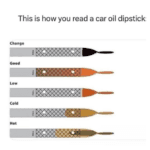
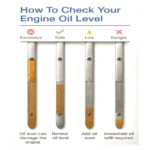
Step 4: Check Current Oil Level First
Pull out the dipstick:
- Wipe it clean
- Reinsert fully
- Pull it out again
- Checkthe level between the MIN and MAX marks
If it’s below the minimum line, you need oil.
Step 5: Add Oil (Slowly!)
This is the key part.
- Unscrew the oil cap
- Insert a funnel
- Pour about half a quart (or half a liter)
- Wait a minute
- Recheck dipstick
Repeat slowly until the level reaches near MA, X, but never above it.
Step 6: Replace Cap and Close Hood
Tighten the oil cap securely. Double-check nothing is left in engine bay. Start the engine and let it run for a minute. Check for leaks. Done!
Synthetic vs Conventional Oil – Comparison Table
Here’s a quick breakdown to help you choose:
| Feature | Synthetic Oil | Conventional Oil |
| Engine Protection | Excellent | Good |
| Temperature Resistance | High | Moderate |
| Oil Change Interval | 7,500–10,000 miles | 3,000–5,000 miles |
| Cost | Higher | Lower |
| Performance Engines | Recommended | Not ideal |
| Cold Weather Performance | Superior | Average |
My Take: If your car allows synthetic oil, I strongly recommend it. It lasts longer and protects better.
How Much Oil Should You Add?
Most cars hold between:
- 4 to 6 quarts (total capacity)
But when topping off, you usually only add:
- 0.5 to 1 quart
Always check your owner’s manual for exact specifications.
Buyer’s Guide: Choosing The Right Engine Oil
Choosing oil isn’t complicated once you understand three key things:
1. Viscosity Rating (Very Important)
You’ll see labels like:
- 5W-30
- 10W-40
- 0W-20
The first number (with W) refers to cold temperature flow. The second number refers to high-temperature thickness. Check your owner’s manual. Use exactly what it recommends.
2. Synthetic vs Blend vs Conventional
- Full Synthetic: Best protection, longer intervals
- Synthetic Blend: Balanced option
- Conventional: Budget-friendly, shorter lifespan
3. API Certification
Look for the API starburst symbol on the bottle. This means it meets industry standards.
4. Driving Conditions Matter
Choose oil based on how you drive:
- Short trips → Synthetic recommended
- Hot climate → Higher protection oil
- High mileage vehicle → High mileage formula
Common Mistakes When Adding Oil
Let’s avoid expensive errors.
❌ Overfilling
Too much oil causes foaming and pressure issues.
❌ Using Wrong Viscosity
Can reduce lubrication efficiency.
❌ Adding Oil to Wrong Cap
Always double-check.
❌ Not Checking the Dipstick After
Never guess.
How Often Should You Check Oil?
I personally recommend:
- Once a month
- Before long road trips
- After oil change (just to confirm level)
What Happens If You Drive With Low Oil?
Here’s what can happen:
- Increased friction
- Engine overheating
- Damaged pistons
- Bearing failure
- Engine seizure
Repair cost? Thousands. Adding oil? Under $50. Easy choice.
Is It Better To Add Oil Or Get An Oil Change?
If oil is just slightly low, → Add oil.
If oil is dark, dirty, or overdue → Get full oil change.
Toa pping off does NOT replace full oil change.
Personal Experience: Why I Check Oil Regularly
I once ignored a low oil warning for a week. The engine started making faint ticking sounds. Luckily, I added oil before serious damage occurred.
Since then, checking oil became a habit. It takes 5 minutes and gives peace of mind.
Advanced Tips For Car Owners
✔ Use a Clean Funnel
Prevents contamination.
✔ Keep Extra Oil in Trunk
Emergencies happen.
✔ Check For Leaks
Oil spots under car = inspection needed.
✔ Replace Oil Cap Properly
Loose cap can causeA loosespray.
Read More: How To Clean a Car AC Evaporator Without Removing
FAQs: How To Put Oil In Car
1. Can I Add Oil While Engine Is Hot?
It’sthe best to wait 5–10 minutes after turning off engine. Hot oil expels and can give inaccurate reading.
2. Can I Mix Different Oil Brands?
Yes, but try to use the same viscosity.
3. What If I Accidentally Overfill?
If slightly over → Usually okay. If significantly over → Drain excess immediately.
4. How Long After Adding Oil Can I Drive?
Immediately after confirming the proper level and securing cap.
5. Is Adding the Oil the Same as Oil Change?
No. Oian oil changeeplaces old oil completely.
6. Why Does My Car Burn Oil?
Older engines may consume oil due to worn seals or piston rings.
7. Can I Add Oil Without Changing Filter?
Yes, when the opening is off. But change the filter during the full oil change.
8. a What Happens If I Forget Oil Cap?
Oilforget the oil capd createa ess. Always doublea -check.
Final Thoughts: Learning This Skill Saves Money
Learning how to put oil in your car gives you:
- Confidence
- Mechanical awareness
- Financial savings
- Longer engine life
You don’t need to be an expert. You just need to care about your vehicle. Start checking your oil monthly. Add when needed. Follow manufacturer recommendations. Your engine will thank you, and your wallet will too.