Car air conditioning systems are one of those features we usually ignore until they stop working on a brutally hot day. I still remember driving during peak summer traffic with a failing AC compressor.
The cabin felt like an oven, the airflow turned warm, and every traffic signal seemed longer than usual. That experience pushed me to finally learn how car AC systems actually work and what every major AC part does.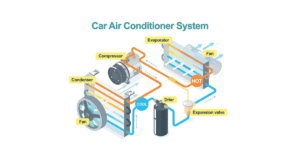 At first, terms like condenser, evaporator, expansion valve, and accumulator sounded overly technical. But once I understood the basics, diagnosing problems became much easier.
Whether you’re a car owner, beginner mechanic, automotive enthusiast, or simply someone trying to avoid expensive repair bills, understanding car AC parts can save time, money, and frustration.
This complete guide covers:
- Important car AC parts names
- What each AC component does
- Common symptoms of failure
- Personal ownership and repair insights
- A detailed comparison table
- A complete buyer’s guide
- Maintenance tips
- Frequently asked questions
This article is written in a casual yet informative style, so even beginners can understand how automotive AC systems work.
Understanding How a Car AC System Works
Before learning the names of car AC parts, it helps to understand the basic operation of an automotive air conditioning system.
A car AC system removes heat from inside the cabin and transfers it outside. It works through refrigerant circulation and pressure changes. The process usually follows these steps:
- The compressor pressurizes the refrigerant.
- The condenser cools the hot refrigerant.
- The expansion valve lowers refrigerant pressure.
- The evaporator absorbs heat from the cabin air.
- The blower motor pushes cool air into the cabin.
Every component has an important role. If even one part fails, cooling performance can drop dramatically.
Main Car AC Parts Names and Functions
1. AC Compressor
The AC compressor is often called the heart of the air conditioning system.
What It Does
The compressor compresses and circulates refrigerant throughout the system.
My Personal Experience
The first major AC repair I ever faced was a failed compressor clutch. The AC would sometimes cool for five minutes and then suddenly blow warm air.
Replacing the compressor restored cooling immediately, but it also taught me how expensive compressor repairs can become if ignored.
Common Symptoms of Compressor Failure
- Warm air from vents
- Loud grinding noise
- Compressor clutch not engaging
- Reduced cooling performance
- Refrigerant leaks
Typical Cost Range
Compressor replacement is usually among the most expensive AC repairs.
2. AC Condenser
The condenser looks similar to a radiator and is mounted near the front of the vehicle.
What It Does
It cools high-pressure refrigerant gas into liquid form.
Why It Matters
If airflow to the condenser is blocked by dirt, bugs, or debris, cooling efficiency drops significantly.
Common Problems
- Refrigerant leaks
- Bent condenser fins
- Cooling inefficiency
- Damage from road debris
Personal Observation
I once noticed weak cooling while idling in traffic, but decent cooling while driving. The issue turned out to be a clogged condenser and a failing cooling fan.
3. AC Evaporator
The evaporator is located inside the dashboard.
What It Does
It absorbs heat from cabin air and cools the air before it enters the cabin.
Common Symptoms of Evaporator Issues
- Weak cooling
- Musty odor
- Refrigerant leaks inside the cabin
- Moisture buildup
Real-World Insight
Evaporator replacement can be labor-intensive because mechanics often need to remove the dashboard.
4. Expansion Valve or Orifice Tube
This component controls refrigerant flow into the evaporator.
What It Does
It reduces refrigerant pressure and temperature.
Signs of Failure
- Inconsistent cooling
- Frost buildup
- Compressor cycling issues
- Poor airflow temperature
My Experience
A partially clogged expansion valve once caused fluctuating vent temperatures in my sedan. The AC worked perfectly one minute and poorly the next.
5. Receiver Dryer
Receiver dryers are usually found in thermal expansion valve systems.
What It Does
- Removes moisture from refrigerant
- Filters contaminants
- Stores refrigerant temporarily
Why It’s Important
Moisture inside the AC system can cause severe damage.
Common Symptoms of Failure
- Poor cooling
- Moisture contamination
- System blockage
- Compressor strain
6. Accumulator
Vehicles with orifice tube systems usually use an accumulator instead of a receiver dryer.
Function
The accumulator protects the compressor from liquid refrigerant.
Signs of Problems
- Reduced cooling
- Moisture contamination
- Compressor noise
7. Refrigerant
Refrigerant is the chemical responsible for cooling.
Common Types
- R134a
- R1234yf
Important Note
Using the wrong refrigerant can damage the system.
Personal Advice
Always verify your vehicle’s recommended refrigerant type before servicing.
8. Blower Motor
The blower motor pushes cooled air through cabin vents.
Symptoms of Failure
- Weak airflow
- No airflow
- Squealing noises
- Fan speed problems
Real Experience
I once assumed my AC had failed, but the actual problem was a weak blower motor.
9. Cabin Air Filter
This often-overlooked component affects airflow quality.
What It Does
- Filters dust
- Removes pollen
- Improves cabin air quality
Signs It Needs Replacement
- Weak airflow
- Dusty cabin smell
- Reduced cooling efficiency
Easy Maintenance Tip
Replacing the cabin filter every 12 months can noticeably improve airflow.
10. AC Pressure Switch
This safety component monitors refrigerant pressure.
Function
It protects the compressor from dangerous pressure conditions.
Symptoms of Failure
- Compressor not activating
- Intermittent cooling
- System shutdowns
11. AC Hoses and Lines
These carry refrigerant throughout the system.
Common Problems
- Cracks
- Leaks
- Wear from vibration
My Recommendation
During servicing, always inspect hoses for oily residue because it often indicates refrigerant leakage.
12. Cooling Fan
The cooling fan supports condenser performance.
Why It Matters
Without proper airflow through the condenser, cooling efficiency drops.
Symptoms of Failure
- AC is warm at idle
- Engine overheating
- Weak cooling in traffic
Complete Car AC Parts Comparison Table
| AC Part | Main Function | Common Failure Symptoms | Repair Difficulty | Typical Lifespan |
| Compressor | Compresses refrigerant | Warm air, noise | High | 8–12 years |
| Condenser | Releases heat | Weak cooling | Medium | 8–10 years |
| Evaporator | Absorbs cabin heat | Musty smell, leaks | High | 10+ years |
| Expansion Valve | Controls refrigerant flow | Inconsistent cooling | Medium | 5–10 years |
| Receiver Dryer | Removes moisture | Poor cooling | Medium | 3–5 years |
| Accumulator | Protects compressor | Cooling issues | Medium | 5–8 years |
| Blower Motor | Pushes cabin air | Weak airflow | Medium | 5–10 years |
| Cabin Filter | Cleans air | Weak airflow | Easy | 1 year |
| Pressure Switch | Monitors pressure | Compressor problems | Easy | 5–8 years |
| Cooling Fan | Cools condenser | Warm AC at idle | Medium | 5–10 years |
My Honest Ownership and Repair Experience With Car AC Systems
Over the years, I’ve owned several vehicles ranging from compact hatchbacks to midsize sedans. One thing I noticed consistently is that air conditioning maintenance is often ignored until complete failure occurs.
The first mistake I made was delaying small repairs. A tiny refrigerant leak eventually caused compressor damage because the system ran low on refrigerant for too long.
Another lesson came from replacing cheap aftermarket parts. Budget compressors sometimes worked fine initially, but became noisy within a year. In contrast, OEM-quality parts usually lasted much longer.
Here are a few personal observations:
- Cheap AC parts often cost more in the long term.
- Regular AC use helps maintain seals and lubrication.
- Ignoring weak cooling can lead to expensive compressor failure.
- Cabin air filters dramatically affect airflow quality.
- Proper refrigerant charging matters more than many people realize.
One surprisingly common issue I’ve seen is poor airflow mistaken for poor cooling. Sometimes the AC system is functioning perfectly, but the blower motor or cabin filter is restricting airflow.
Signs Your Car’s AC System Needs Repair
Understanding warning signs early can prevent expensive repairs.
Warm Air From Vents
This is the most common symptom. Possible causes include:
- Low refrigerant
- Compressor failure
- Condenser problems
- Expansion valve issues
Strange Noises
Grinding, squealing, or clicking noises often indicate:
- Compressor bearing problems
- Blower motor issues
- Loose components
Weak Airflow
Usually linked to:
- Dirty cabin filter
- Weak blower motor
- Blocked evaporator
Bad Smell From Vents
Musty odors often come from:
- Mold buildup
- Dirty evaporator
- Cabin filter contamination
Refrigerant Leaks
Leaks may appear as oily residue near AC components.
OEM vs Aftermarket Car AC Parts
Choosing between OEM and aftermarket components can be confusing.
OEM Parts
Advantages
- Factory-quality fit
- Reliable performance
- Better longevity
Disadvantages
- More expensive
Aftermarket Parts
Advantages
- Lower cost
- More availability
- Wider brand selection
Disadvantages
- Quality varies greatly
- Some parts fit poorly
- Shorter lifespan in cheap brands
My Recommendation
For compressors and condensers, I strongly prefer OEM-quality or premium aftermarket brands.
Best Materials Used in Car AC Components
Different materials affect durability and cooling efficiency.
Aluminum
Most modern condensers and evaporators use aluminum.
Pros
- Lightweight
- Corrosion resistant
- Good heat transfer
Cons
- Can crack under impact
Rubber Hoses
Used for refrigerant transport.
Pros
- Flexible
- Vibration resistant
Cons
- Can deteriorate over time
Copper Components
Older systems sometimes used copper.
Pros
- Excellent heat transfer
Cons
- Heavier
- More expensive
Common Car AC Problems and Solutions
AC Blows Cold Then Warm
Possible causes:
- Failing compressor clutch
- Expansion valve blockage
- Electrical issues
AC Works While Driving But Not Idling
Usually caused by:
- Weak condenser fan
- Dirty condenser
Water Inside Cabin
Often linked to:
- Blocked evaporator drain
AC Compressor Not Turning On
Potential causes:
- Low refrigerant
- Faulty pressure switch
- Electrical failure
Buyer’s Guide: How to Choose the Best Car AC Parts
Buying automotive AC components can feel overwhelming, especially with hundreds of brands available online. Here’s a practical buyer’s guide based on real-world experience.
1. Check Vehicle Compatibility
Always verify:
- Vehicle make
- Model
- Engine type
- Production year
Even slight compatibility mistakes can prevent installation.
2. Prioritize Brand Reputation
Well-known brands often provide:
- Better durability
- Improved warranty support
- More accurate fitment
3. Avoid Ultra-Cheap Compressors
Compressors are critical components. Extremely cheap units often fail early.
4. Replace Related Components Together
When replacing a compressor, many mechanics recommend replacing:
- Receiver dryer
- Expansion valve
- O-rings
This reduces contamination risk.
5. Verify Refrigerant Type
Modern cars may use R1234yf instead of R134a.
6. Inspect Warranty Coverage
Longer warranties usually indicate better manufacturer confidence.
7. Read Real Customer Reviews
Reviews often reveal:
- Noise issues
- Fitment problems
- Reliability concerns
8. Choose Corrosion-Resistant Components
Especially important in humid or coastal environments.
9. Consider Labor Costs
Sometimes a slightly more expensive part saves labor later.
10. Don’t Ignore Small Parts
Items like O-rings, seals, and pressure switches matter more than many people think.
AC Maintenance Tips That Actually Work
Run the AC Regularly
Even during winter, run the AC occasionally.
This helps:
- Lubricate seals
- Maintain compressor health
Replace Cabin Filters Annually
This improves:
- Airflow
- Cabin air quality
- Cooling efficiency
Keep Condenser Clean
Remove:
- Dirt
- Leaves
- Bugs
Address Leaks Quickly
Low refrigerant can damage the compressor.
Avoid Overcharging Refrigerant
Too much refrigerant can reduce cooling efficiency.
Car AC Parts That Fail Most Often
Based on repair frequency, these are commonly replaced:
- Compressor
- Cabin air filter
- Blower motor
- Condenser fan
- Pressure switch
- Expansion valve
How Climate Affects Car AC Performance
Hot Climate Regions
Vehicles in hot regions experience:
- Faster compressor wear
- Higher refrigerant pressure
- Increased cooling demand
Humid Areas
Humidity can contribute to:
- Mold growth
- Evaporator odor
- Corrosion
Dusty Environments
Dust affects:
- Cabin filters
- Condenser airflow
Professional Repair vs DIY AC Repairs
DIY-Friendly Tasks
- Cabin filter replacement
- Cleaning condenser
- Visual inspections
Professional Tasks
- Refrigerant charging
- Compressor replacement
- Leak testing
- Evaporator replacement
My Advice
Modern AC systems require specialized tools. Incorrect refrigerant handling can damage the system.
Important Safety Notes About Car AC Systems
Automotive AC systems operate under high pressure. Important precautions:
- Avoid opening refrigerant lines casually
- Wear safety gloves and glasses
- Never mix refrigerant types
- Use proper recovery equipment
Why Understanding Car AC Parts Saves Money
Learning basic AC component functions helps you:
- Avoid unnecessary repairs
- Detect problems earlier
- Communicate better with mechanics
- Prevent misdiagnosis
I personally avoided replacing an expensive compressor once because I recognized the actual problem was a faulty pressure switch.
The Most Overlooked Car AC Component
In my experience, the cabin air filter is the most neglected component. Many drivers tolerate weak airflow for months without realizing a clogged filter is restricting performance. Replacing a dirty cabin filter often creates an immediate improvement.
Future Trends in Automotive AC Systems
The automotive industry is evolving quickly. Future developments include:
- More eco-friendly refrigerants
- Electric vehicle heat pump systems
- Improved energy efficiency
- Smart climate control systems
Electric vehicles, especially, are changing how climate systems operate.
Read More: Car AC Compressor Cost
FAQs: Car AC Parts Name | Complete Guide
What are the main parts of a car’s AC system?
The main parts include:
- Compressor
- Condenser
- Evaporator
- Expansion valve
- Receiver dryer or accumulator
- Blower motor
- Refrigerant lines
- Cabin air filter
Which car AC part fails most often?
Compressors are among the most commonly replaced major components, while cabin air filters are the most commonly neglected maintenance items.
Why is my car’s AC blowing warm air?
Possible causes include:
- Low refrigerant
- Compressor failure
- Condenser problems
- Electrical faults
- Expansion valve issues
How long does a car AC compressor last?
Most compressors last between 8 and 12 years, depending on maintenance and climate conditions.
Can a dirty cabin filter affect AC cooling?
Yes. A clogged cabin filter restricts airflow and makes cooling feel weaker.
What refrigerant do modern cars use?
Most modern vehicles use either R134a or R1234yf refrigerant.
Is it safe to recharge a car’s AC at home?
Basic recharge kits exist, but improper charging can damage the system. Professional servicing is often safer.
What happens if the refrigerant is low?
Low refrigerant reduces cooling efficiency and can eventually damage the compressor.
Why does my AC work while driving but not when stopped?
This often indicates poor condenser airflow caused by:
- Weak cooling fan
- Dirty condenser
- Airflow blockage
How often should cabin air filters be replaced?
Most experts recommend replacing them every 12 months or according to manufacturer guidelines.
Can I drive with a bad AC compressor?
You can often still drive the vehicle, but ignoring compressor issues may lead to further damage and expensive repairs.
How much does AC repair usually cost?
Costs vary widely depending on the failed component, labor rates, and vehicle model.
What is the difference between a receiver dryer and an accumulator?
A receiver dryer is typically used with expansion valve systems, while accumulators are used with orifice tube systems.
Why does my car’s AC smell bad?
Musty odors are usually caused by:
- Mold buildup
- Dirty evaporator
- Contaminated cabin filter
Should I buy OEM or aftermarket AC parts?
OEM parts generally offer better reliability, while premium aftermarket parts can provide good value when chosen carefully.
Conclusion
Car AC systems may seem complicated at first, but once you understand the major parts and their functions, diagnosing problems becomes far less intimidating.
Whether you’re maintaining an older vehicle or researching parts for a new repair, understanding components like compressors, condensers, evaporators, and blower motors helps you make smarter automotive decisions.
A comfortable cabin during summer heat depends on every AC component working together properly. Regular maintenance, quality parts, and early diagnosis remain the best ways to keep your automotive air conditioning system running efficiently for years.