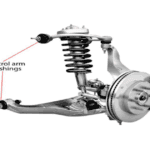
If you’ve ever driven a car that suddenly felt clunky, noisy, or unstable over bumps, chances are worn bushings were involved. I didn’t pay much attention to bushings until I started to notice a strange “thud” whenever I went over speed bumps.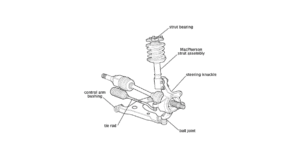 At first, I thought it was the shocks. Then maybe the sway bar. But after a quick inspection under the car, the culprit turned out to be worn suspension bushings. That’s when I realized something important:
Bushings are everywhere on a car. So how many bushings are actually on a car? The short answer: Most cars have between 20 and 150 bushings, depending on the vehicle type, suspension design, drivetrain layout, and engine mounting system. But that number needs context.
In this complete guide, I’ll break down:
- Exactly how many bushings are typically on a car
- Where they’re located
- The types of bushings used
- A comparison table of common bushing locations
- How to choose replacement bushings
- When to replace them
- Real-world performance differences
- FAQs and buyer advice
Let’s get into it.
What Are Bushings on a Car?
Bushings are small cylindrical components made of rubber, polyurethane, or sometimes metal-sleeved composite materials. Their job is simple but critical:
- Absorb vibration
- Reduce friction between metal parts
- Cushion suspension movement
- Isolate engine and drivetrain noise
Think of them as shock absorbers for joints. Without bushings, your car would:
- Vibrate excessively
- Produce loud metal-on-metal noises
- Feel unstable
- Wear suspension parts faster
So… How Many Bushings Are On A Car?
Here’s the honest answer based on typical vehicle categories:
| Vehicle Type | Estimated Number of Bushings |
| Compact Sedan | 20 – 40 |
| Mid-Size Sedan | 30 – 60 |
| SUV / Crossover | 40 – 90 |
| Pickup Truck | 50 – 120 |
| Performance Car | 40 – 100 |
| Heavy-Duty Truck | 80 – 150+ |
Why such a wide range?
Because bushings are used in multiple systems:
- Suspension
- Engine mounts
- Transmission mounts
- Control arms
- Sway bars
- Subframes
- Leaf springs (trucks)
- Differential mounts
Let’s break it down further.
Breakdown: Where Bushings Exist On A Car
1. Suspension Bushings (The Majority)
This is where most bushings live.
Common Suspension Bushing Locations:
- Upper control arm bushings (2–4)
- Lower control arm bushings (2–4)
- Sway bar bushings (2–4)
- Sway bar end link bushings (4–8)
- Shock absorber bushings (2–4)
- Strut rod bushings
- Trailing arm bushings (2–4)
- Rear axle bushings
On a typical sedan, you’re already looking at 15–30 suspension bushings alone. SUVs and trucks? Even more.
2. Engine Mount Bushings
Modern engines are mounted using rubber-insulated mounts. Most cars have:
- 2–4 engine mount bushings
- 1–2 transmission mount bushings
These isolate the vibration so your steering wheel doesn’t shake like crazy.
3. Subframe Bushings
Many modern cars have front and rear subframes. Each subframe may use:
- 4–6 large rubber bushings
These are bigger and more expensive to replace.
4. Drivetrain & Differential Bushings
Rear-wheel-drive and AWD vehicles may include:
- Differential bushings (2–4)
- Driveshaft carrier bearing bushings
- Torque arm bushings
5. Leaf Spring Bushings (Trucks)
Pickup trucks often use leaf springs. Each leaf spring has:
- 2 bushings per spring
- 4–8 total, depending on configuration
Real-World Example: Average Sedan
Let’s say you drive a mid-size sedan like a Toyota Camry or Honda Accord. Estimated breakdown:
- Control arms: 8 bushings
- Sway bar & links: 6 bushings
- Rear suspension arms: 6–10 bushings
- Engine & transmission mounts: 4 bushings
- Subframe: 4 bushings
Total: Around 28–40 bushings
That’s a lot of small parts doing big work.
Rubber vs Polyurethane Bushings Comparison Table
Here’s where things get interesting. When replacing bushings, you usually choose between rubber and polyurethane.
| Feature | Rubber Bushings | Polyurethane Bushings |
| Ride Comfort | Softer, smoother | Firmer, more responsive |
| Noise | Quieter | Slightly louder |
| Durability | 3–8 years typical | 5–15 years |
| Performance | OEM feel | Sporty feel |
| Cost | Usually cheaper | Slightly more expensive |
| Best For | Daily driving | Performance & heavy-duty |
From personal experience, polyurethane makes the car feel tighter and more precise, but you’ll feel more road texture.
Signs Your Car’s Bushings Are Worn
Here’s what I noticed before replacing mine:
- Clunking over bumps
- Steering wander
- Uneven tire wear
- Vibration at highway speed
- Excessive body roll
Rubber bushings crack and dry out over time, especially in hot climates.
Why Cars Have So Many Bushings
It comes down to physics. Cars are constantly dealing with:
- Road vibration
- Engine movement
- Torque transfer
- Suspension articulation
If metal parts were bolted together directly, everything would wear out quickly. Bushings:
- Reduce stress
- Extend component life
- Improve comfort
- Prevent structural damage
They’re tiny shock absorbers built into every joint.
Buyer’s Guide: Choosing Replacement Bushings
If you’re replacing bushings, here’s what to consider.
1. Daily Driver vs Performance Build
- Daily driver → Stick with rubber
- Performance car → Polyurethane makes sense
2. Climate
Hot climates destroy rubber faster. Polyurethane handles heat better.
3. Budget
Replacing all suspension bushings at once can cost:
- $300–$1,200 parts only
- $800–$2,500 with labor
Subframe bushings are especially labor-intensive.
4. OEM vs Aftermarket
OEM:
- Designed for comfort
- Exact factory fit
Aftermarket:
- Often stronger
- May alter the ride feel
How Long Do Car Bushings Last?
Average lifespan:
- Rubber: 50,000–100,000 miles
- Polyurethane: 80,000–150,000+ miles
Factors that shorten life:
- Rough roads
- Heavy loads
- Aggressive driving
- Extreme heat
Should You Replace All Bushings At Once?
Short answer: Not always. If your car has 120,000+ miles, it often makes sense to replace:
- Control arm bushings
- Sway bar bushings
- Subframe bushings
Doing it in stages can increase labor costs later.
The Hidden Cost of Ignoring Worn Bushings
Worn bushings can lead to:
- Premature tire wear
- Ball joint damage
- Alignment issues
- Suspension component failure
I once delayed replacing rear trailing arm bushings and ended up needing new tires 6 months later. Lesson learned.
Can You Drive With Bad Bushings?
Technically yes.
But should you?
Not for long.
Symptoms worsen over time, and handling can become unpredictable.
DIY vs Professional Replacement
Some bushings are simple:
- Sway bar bushings
- End link bushings
Others require:
- Hydraulic press
- Special tools
- Full suspension removal
Control arm bushings are often easier to replace by swapping the entire arm assembly.
Total Estimated Bushings On Different Vehicle Types
Let’s go deeper:
Compact Car
20–35 bushings
Mid-Size Sedan
30–60 bushings
SUV
40–90 bushings
Pickup Truck
50–120 bushings
Heavy-Duty Commercial Truck
100–150+ bushings
That’s a lot of vibration control happening behind the scenes.
Final Verdict: How Many Bushings Are On A Car?
Most modern cars have between 20 and 150 bushings, depending on:
- Suspension design
- Drivetrain layout
- Vehicle size
- Performance setup
You probably never see them, but they’re working constantly. And when they wear out, you’ll definitely feel it.
Read More: What’s A Gearbox In A Car
FAQs: How Many Bushings Are On A Car
1. How many suspension bushings does a car have?
Most cars have 15–30 suspension bushings alone.
2. Are bushings expensive to replace?
Parts are usually affordable, but labor can be costly depending on location.
3. How often should bushings be replaced?
Every 50,000–100,000 miles, depending on driving conditions.
4. What happens if you don’t replace bad bushings?
Poor handling, tire wear, vibration, and possible suspension damage.
5. Are polyurethane bushings worth it?
Yes for performance; maybe not for comfort-focused daily driving.
6. Do all cars have the same number of bushings?
No. Larger vehicles have more.
7. Can bad bushings cause alignment issues?
Absolutely.
Closing Thoughts
Before I looked into this topic, I had no idea just how many bushings a car actually has. They’re everywhere, quietly absorbing shock, isolating vibration, and protecting your suspension.