I’ll be honest, for years I thought a car bumper was just a decorative plastic piece designed to look good and maybe survive a parking lot tap. I was wrong.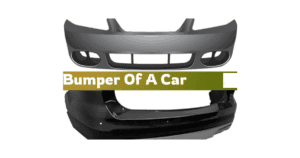 A modern car bumper is a carefully engineered safety system designed to:
- Absorb impact energy
- Protect the frame
- Reduce repair costs
- Improve pedestrian safety
- Support sensors and cameras
Today’s bumpers are far more advanced than the thick chrome bars found on classic cars. They’re lightweight, impact-absorbing structures that combine plastic covers, foam absorbers, and steel reinforcement beams.
In this complete guide, I’ll break down:
- What car bumpers are
- How they work
- Front vs rear bumpers
- Materials used
- Types of bumpers
- Repair & replacement costs
- A comparison table
- A detailed buyer’s guide
- Expert insights
- FAQs
Let’s get started.
What Are Car Bumpers?
A car bumper is a protective structure mounted to the front and rear of a vehicle. Its main purpose is to absorb impact during low-speed collisions and protect:
- Engine components
- Headlights & taillights
- Radiator
- Trunk
- Frame rails
- Pedestrians
Modern bumpers consist of three main parts:
- Bumper Cover (outer plastic shell)
- Energy Absorber (foam or honeycomb material)
- Reinforcement Bar (metal beam underneath)
It’s not just plastic, it’s a multi-layer safety system.
Front vs Rear Bumpers
Front Bumper
Protects:
- Radiator
- Engine components
- AC condenser
- Sensors & cameras
Often includes:
- Grilles
- Fog lights
- Parking sensors
Rear Bumper
Protects:
- Trunk
- Rear body structure
- Fuel tank area
Often houses:
- Reverse sensors
- Backup camera mounts
How Car Bumpers Work (Deep Explanation)
When a collision happens:
- The outer bumper cover flexes.
- The energy absorber compresses.
- The reinforcement beam distributes force.
- Impact energy reduces before reaching the frame.
This design:
- Lowers repair costs
- Protects structural integrity
- Improves crash safety
In higher-speed crashes, bumpers are only the first line of defense; the crumple zones take over.
Types of Car Bumpers?
1️⃣ Standard Plastic Bumpers (Most Common)
Found on almost all modern vehicles. Made from:
- Thermoplastic
- Polypropylene blends
Pros:
- Lightweight
- Flexible
- Affordable
Cons:
- Can crack under heavy impact
2️⃣ Steel Bumpers (Common on Trucks)
Heavy-duty and strong.
Pros:
- Extremely durable
- Good for off-road
- Better impact resistance
Cons:
- Heavy
- Affects fuel efficiency
3️⃣ Aluminum Bumpers
Lighter than steel.
Pros:
- Corrosion-resistant
- Strong
- Lightweight
Cons:
- Expensive
4️⃣ Carbon Fiber Bumpers (Performance Cars)
Used in high-performance vehicles.
Pros:
- Extremely lightweight
- Strong
- Stylish
Cons:
- Very expensive
- Not ideal for daily low-speed impacts
Comparison Table: Types of Car Bumpers
| Bumper Type | Material | Weight | Durability | Cost Range | Best For |
| Standard OEM Plastic | Thermoplastic | Light | Moderate | $200–$600 | Daily driving |
| Steel Bumper | Steel | Heavy | Very High | $500–$2,000 | Trucks & off-road |
| Aluminum Bumper | Aluminum | Medium | High | $600–$1,500 | Premium vehicles |
| Carbon Fiber Bumper | Carbon Fiber | Very Light | High | $1,000–$3,000 | Performance cars |
Prices vary by vehicle model and brand.
What Materials Are Car Bumpers Made From?
Modern bumpers use layered construction:
Outer Cover:
- Polypropylene (PP)
- Thermoplastic olefin (TPO)
Energy Absorber:
- Expanded polypropylene (EPP)
- Foam
- Honeycomb structures
Reinforcement Beam:
- High-strength steel
- Aluminum
Each layer plays a specific role in impact absorption.
Why Modern Bumpers Are Plastic
Many people ask: “Why not metal?” Reasons:
✔ Better pedestrian safety
✔ Lower weight
✔ Improved fuel efficiency
✔ Lower repair cost
✔ Flexibility in minor collisions
Plastic flexes and absorbs impact instead of transferring it.
Car Bumper Damage: Common Types
- Scratches
- Paint chips
- Cracks
- Dents
- Broken mounting clips
- Sensor damage
Minor parking bumps usually damage only the bumper cover.
Repair vs Replacement Cost
| Damage Type | Estimated Repair Cost |
| Scratch Repair | $150–$400 |
| Crack Repair | $300–$800 |
| Full Replacement | $500–$2,000+ |
| Luxury Car Replacement | $1,500–$4,000 |
Sensors and cameras increase costs significantly.
Buyer’s Guide: Choosing the Right Car Bumper
If you need a replacement bumper, here’s what to consider.
1️⃣ OEM vs Aftermarket
OEM (Original Equipment Manufacturer):
- Perfect fit
- Matches factory specs
- More expensive
Aftermarket:
- Cheaper
- Quality varies
- May require adjustments
For newer vehicles with sensors, OEM is safer.
2️⃣ Material Type
Daily driver?
→ Standard plastic OEM.
Off-road truck?
→ Steel bumper.
Performance build?
→ Carbon fiber.
3️⃣ Sensor & Camera Compatibility
Modern bumpers often include:
- Parking sensors
- Radar sensors
- Adaptive cruise control components
- Blind spot monitors
Make sure the replacement supports these.
4️⃣ Paint Matching
Unpainted bumpers require painting. Professional paint match costs extra.
5️⃣ Insurance Coverage
Sometimes insurance covers bumper replacement if accident-related. Check deductible vs repair cost.
Do Bumpers Affect Safety Ratings?
Yes. Bumpers are part of crash testing evaluations. They:
- Reduce low-speed repair costs
- Protect structural frame
- Improve pedestrian impact performance
However, they’re not designed for high-speed crash protection alone.
Can You Drive Without a Bumper?
Technically possible, but:
❌ Illegal in many areas
❌ Unsafe
❌ May expose sharp edges
❌ Can trigger sensor warnings
Always replace damaged bumpers promptly.
How Long Do Car Bumpers Last?
If not damaged:
- 10–20 years easily
Plastic doesn’t rust. But UV exposure may fade paint over time.
Expert Insight: The Engineering Behind Modern Bumpers
Modern vehicles undergo low-speed crash testing (around 5 mph) to ensure bumpers:
- Absorb impact
- Prevent frame damage
- Reduce repair costs
Energy absorbers compress like a cushion. Reinforcement beams distribute force evenly across mounting points. This design reduces:
- Structural damage
- Insurance claims
- Repair time
Luxury vehicles may include:
- Active grille shutters
- Radar systems
- Collision detection modules
That’s why bumper replacement today is much more expensive than 20 years ago.
When Should You Replace a Bumper?
Replace if:
- Large cracks
- Broken mounting points
- Sensor malfunction
- Structural beam damage
- Significant deformation
Cosmetic scratches can often be repaired.
Common Myths About Car Bumpers
❌ Myth: Bumpers prevent all crash damage
Truth: They reduce low-speed damage, not high-speed collisions.
❌ Myth: Metal bumpers are always safer
Truth: Modern plastic systems absorb energy better in many scenarios.
❌ Myth: A small crack isn’t serious
Truth: It can spread andweaken then structure.
Read More: How To Drive A DSG Gearbox Car
FAQs: What Are Car Bumpers
Are car bumpers just plastic?
No. They include plastic covers, foam absorbers, and metal reinforcement beams.
Why are bumper repairs expensive?
Modern bumpers include sensors, cameras, and paint matching.
Can I replace a bumper myself?
Possible for simple models, but sensor-equipped cars are more complex.
Does a cracked bumper affect resale value?
Yes. Visible damage lowers value.
Are steel bumpers better?
Better for trucks and off-road use, but heavier.
How long does bumper replacement take?
Usually 2–6 hours, depending onthe vehicle.
Final Thoughts
Car bumpers are far more than cosmetic pieces. They are engineered safety components that:
- Protect your vehicle
- Reduce repair costs
- Improve pedestrian safety
- Support modern driver-assistance systems
Understanding how they work helps you make smarter repair and replacement decisions.
If your bumper is damaged, don’t ignore it. A small crack today could mean bigger repair costs tomorrow.