If you’ve ever adjusted your rear-view mirror only to watch it slowly droop back down while driving, you know how frustrating it is. I’ve dealt with this personally. You adjust it.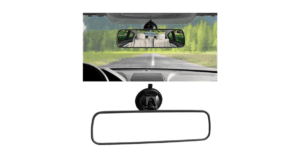 It holds for five minutes. Then sag. You push it back. Sag again. The culprit? A loose rear-view mirror ball joint. The good news: Most of the time, you don’t need to replace the whole mirror.
You can fix it yourself quickly and cheaply. In this complete guide, I’ll cover:
- Why do rear-view mirror ball joints become loose
- Step-by-step DIY repair methods
- Temporary vs permanent fixes
- When replacement is necessary
- Cost breakdown
- Comparison table
- Buyer’s guide
- Expert-level explanation
- FAQs
Let’s fix that mirror once and for all.
What Is a Rear View Mirror Ball Joint?
The ball joint is the small spherical pivot behind your interior rear view mirror. It allows you to:
- Adjust the angle
- Tilt up/down
- Move side to side
The mirror grips onto this ball socket tightly until wear, heat, or age loosens it.
Why Rear View Mirror Ball Joints Become Loose
Over time, several factors cause looseness:
Heat Exposure
The windshield area gets extremely hot. Plastic expands and weakens.
Wear and Tear
Constant adjustments wear down the socket.
Weak Internal Tension Spring
Some mirrors use a spring clip that loses tension.
Sudden Impact
Slamming doors or minor accidents can loosen the joint.
Signs Your Ball Joint Is Loose
- The mirror slowly drops while driving
- Won’t hold position on bumps
- Feels floppy when adjusting
- Requires frequent readjustment
If it still moves but won’t stay in place, you likely have a worn socket, not a broken mount.
5 Ways To Fix a Loose Rear View Mirror Ball Joint
Let’s go from simplest to most permanent.
Method 1: Tighten the Hidden Screw (If Equipped)
Some mirrors have a small tension screw at the base.
Steps:
- Inspect the underside of the mirror stem.
- Locate a small Phillips or Torx screw.
- Tighten gently.
- Test movement.
✔ Quick
✔ Free
✔ Permanent if available
Not all mirrors have this.
Method 2: Apply Threadlocker (Semi-Permanent Fix)
If the ball socket has slight play:
- Remove mirror (if possible).
- Apply small amount of blue threadlocker inside socket.
- Reinstall.
- Let it cure for 24 hours. a
Improves friction.
Method 3: Use Teflon tape (DIY Friction Boost)
This is one of the easiest DIY fixes.
- Remove the mirror from the ball mount.
- Wrap thin layer of Teflon tape around ball.
- Reinstall the mirror.
Increases tightness ima mediately. Cost: Under $5.
Method 4: Super Glue Dot Method (Use Carefully)
Tiny drop inside socket (not on entire ball).
Creates tighter fit once dry.
⚠ Use sparingly, or the error may lock permanently.
Method 5:a Replace the Mirror (Permanent Soluti, on)
If socket is cracked or severely worn, replacement is best. Most interior mirrorsthe cost:
- $20–$150 (standard)
- $150–$600 (with auto-dimming, camera, sensors)
Comparison Table: Fix Options
| Method | Cost | Difficulty | Durability | Best For |
| Tighten Screw | Free | Easy | High | Mirrors with tension screw |
| Teflon Tape | $2–$5 | Very Easy | Medium | Mild looseness |
| Threadlocker | $5a –$10 | Easy | Medium-High | Slight wear |
| Super Glue Spot | $5 | Moderate | Medium | Quick fix |
| Replace Mirror | $20–$600 | Easy-Medium | Very High | Severe wear |
For most drivers, the Teflon tape method works surprisingly well.
Step-by-Step Detailed Repair (Best DIY Method)
Tools Needed:
- Teflon tape
- Screwdriver (if needed)
- Cleaning cloth
- Rubbing alcohol
Step 1: Remove Mirror
Most mirrors slide upward off the windshield mount. Some twist off. Check your vehicle manual.
Step 2: Clean Ball Joint
Wipe with alcohol. Remove dust and grease.
Step 3: Wrap Teflon Tape
Wrap thin layer around metal ball. Don’t overdo it too thick prevents installation.
Step 4: Reinstall the Mirror
Push or slide back into place. Adjust angle. Test by lightly tapping mirror.
Step 5: Road Test
Drive over bumps. If it stays in place, success.
Whether You Should Replace Instead of Repair
Replace the mirror if:
- Socket is cracked
- Plastic is broken
- Auto-dimming not working
- Mirror glass detacThe socketunt separated from windshield
Modern mirrors may include:
- Auto-dimming
- Backup cameris a display
- Rain the sensors
- Forward collision sensors
Replacement cost increases with features.
Buyer’s Guide: Choosing a Replacement Rear View Mirror
If repair doesn’t work, here’s how to choose wisely.
1️⃣ Match Mount Type
Common mounts:
- Wedge mount
- Button mount
- Screw-on mount
Check your windshield mount style.
2️⃣ Check Features
Do you need:
- Auto-dimming?
- Built-in compass?
- Garage opener (HomeLink)?
- Display screen?
- Temperature sensor?
Buy only what you use.
3️⃣ OEM vs Aftermarket
OEM:
✔ Perfect fit
✔ Higher quality
❌ More expensive
Aftermarket:
✔ Affordable
❌ May not match exactly
4️⃣ Sensor Compatibility
Modern cars may integrate:
- Lane assist cameras
- Rain sensors
- Forward cameras
Replacing incorrectly may trigger dashboard errors.
Why Heat Causes Mirror Ball Joint Failure (Technical Insight)
Interior temperatures can exceed:
150°F (65°C+) in hot climates. Plastic softens over time. Repeated expansion and contraction causes:
- Socket widening
- Reduced friction
- Permanent slack
Cheaper mirrors use lower-grade polymers, which degrade faster.
Cost Breakdown
| Repair Type | Estimated Cost |
| DIY Tape Fix | $2–$5 |
| Threadlocker Fix | $5–$10 |
| Basic Mirror Replacement | $20–$100 |
| Auto-Dimming Mirror | $150–$400 |
| Mirror with Camera Display | $300–$800 |
DIY repair saves significant money.
Pro Tips to Prevent Future Looseness
✔ Avoid excessive adjustments
✔ Use a windshield sunshade
✔ Don’t hang heavy objects from the mirror
✔ Close doors gently
✔ Clean mirror area regularly
Heat and vibration are the biggest enemies.
Can You Drive With a Loose Mirror?
Technically yes, but:
❌ Dangerous visibility issues
❌ Constant distraction
❌ May fail inspection in some areas
Fix it quickly for safety.
Long Expert Insight: Mirror Engineering Explained
Rear view mirrors use a friction-based ball-and-socket system. Design includes:
- Hardened steel or aluminum ball
- Plastic or composite socket
- Compression spring (some designs)
The system relies entirely on surface friction. Once plastic wears:
- Friction drops
- Mirror loses its holding power
That’s why increasing surface thickness (like the tape method) works. Higher-end mirrors may use:
- Reinforced polymer sockets
- Adjustable tension screws
- Internal spring clips
Premium models last longer.
Read More: How To Clean A Car Fuel Tank
FAQs: How To Fix Loose Rear View Mirror Ball Joint
Why does my rear-view mirror keep falling down?
The ball joint socket is worn, orthe tension screw is loose.
Can I glue my view mirror permanently?
Not recommended. It prevents future adjustments.
How long does a mirror ball joint last?
Typically 5–15 years, depending on heat and exposure.
Is replacing a rear-view mirror
Usually easy, unless integrated with electronics.
Will insurance cover mirror replacement?
Only if damaged in accident.
Can heat really loosen it?
Yes. Prolonged heat weakens plastic socket.
Finthe al Thoughtsan
A loose rear-view mirror ball joint may seem minor, but it affects:
- Driving comfort
- Visibility
- Safety
The good news? Most fixes cost under $10 and take under 30 minutes. From experience, the Teflon tape method is the easiest and most effective quick fix.
But if the mirror is cracked or severely worn, replacement is the smarter long-term solution. Don’t ignore it; clear rear visibility is essential every time you drive.