If your car has been sitting for months. If you’re restoring an old vehicle, or if you’re dealing with sputtering, stalling, or clogged fuel injectors, there’s a good chance your fuel tank needs attention.
I’ve personally dealt with a contaminated fuel tank on an older daily driver that started hesitating during acceleration. At first, I thought it was the fuel pump. Then maybe the injectors.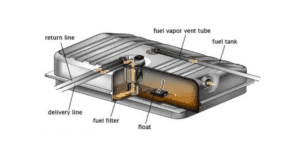 But after draining the tank, I discovered rust flakes and sludge buildup that had quietly been causing the issue. Cleaning a car’s fuel tank isn’t glamorous. It’s messy. It takes patience.
But it can completely transform how your engine runs. In this complete guide, I’ll walk you through:
- When you should clean your fuel tank
- Step-by-step instructions (DIY method)
- Tools and cleaners comparison
- Professional vs DIY options
- What to buy (buyer’s guide)
- Common mistakes
- Frequently asked questions
Let’s get started.
Signs Your Car’s Fuel Tank Needs Cleaning
Before you grab tools, make sure it’s actually necessary. Here are common warning signs:
- The engine sputters during acceleration
- The car stalls unexpectedly
- Poor fuel economy
- Clogged fuel filter (repeatedly)
- Rust in drained fuel
- Vehicle sat unused for 6+ months
- You’re restoring a classic car
Old gasoline breaks down over time and turns into varnish-like deposits. Moisture inside the tank can cause rust, especially in steel tanks.
Safety First (Very Important)
Working with fuel is dangerous. Gasoline vapors are highly flammable. Before you begin:
- Work outdoors or in a well-ventilated space
- Keep fire extinguishers nearby
- Avoid sparks and open flames
- Disconnect the battery
- Wear gloves and eye protection
- Use approved fuel containers
Never rush this process.
Tools & Supplies You’ll Need
Here’s what I used when cleaning mine:
- Socket wrench set
- Screwdrivers
- Fuel line disconnect tool
- Fuel siphon pump
- Approved gas containers
- Degreaser or fuel tank cleaner
- Hot water (optional)
- Rust remover (if needed)
- Pressure washer or garden hose
- New fuel filter
- Optional: fuel tank sealer kit
Step-By-Step: How To Clean A Car Fuel Tank
There are two main ways:
- Cleaning without removing the tank (minor contamination)
- Removing the tank (deep cleaning/rust removal)
Let’s focus on the full, proper method.
Step 1: Drain the Fuel
- Disconnect the battery
- Relieve fuel system pressure
- Use a siphon pump to drain gasoline into approved containers
- Dispose of old fuel properly
If the fuel smells sour or looks dark, it’s definitely contaminated.
Step 2: Remove the Fuel Tank
This part varies by vehicle. Generally:
- Raise the vehicle safely
- Disconnect fuel lines and electrical connectors
- Remove tank straps
- Lower the tank carefully
It’s easier with a helper.
Step 3: Inspect the Tank Interior
Look for:
- Rust flakes
- Sludge
- Varnish buildup
- Sediment
If it’s plastic, you’ll likely just see residue. If it’s metal, rust may be present.
Step 4: Clean the Tank
For Light Contamination:
- Add hot water + degreaser
- Shake the tank gently
- Rinse thoroughly
- Let dry completely
For Rusty Tanks:
- Add a rust remover solution
- Let’s sit (follow product instructions)
- Rinse thoroughly
- Dry fully
- Apply tank sealer (optional but recommended)
Make sure the tank is 100% dry before reinstalling.
Step 5: Replace Fuel Filter
Always replace the fuel filter after cleaning the tank. It likely caught debris and may be partially clogged.
Step 6: Reinstall the Tank
- Reconnect all lines
- Secure straps
- Reconnect battery
- Add fresh gasoline
- Start the vehicle and check for leaks
Expect a rough idle for a few minutes as the system clears.
Fuel Tank Cleaning Methods Comparison
| Method | Best For | Cost | Difficulty | Effectiveness | Risk Level |
| Fuel Additive Only | Minor buildup | Low ($10–$20) | Very Easy | Low–Moderate | Very Low |
| Drain & Flush (No Removal) | Moderate contamination | Low–Medium | Easy | Moderate | Low |
| Full Tank Removal & Cleaning | Rust / Heavy sludge | Medium | Moderate | Very High | Medium |
| Professional Cleaning Service | Severe damage | High | Easy (for you) | Very High | Very Low |
DIY vs Professional Cleaning
DIY Pros:
- Saves money
- Full inspection opportunity
- Great for project cars
DIY Cons:
- Time-consuming
- Physically demanding
- Fire risk if careless
Professional Pros:
- Proper equipment
- Faster
- Safer
Professional Cons:
- Expensive ($300–$1000 depending on vehicle)
If the tank is heavily rusted or damaged internally, replacement might be smarter.
Buyer’s Guide: What To Look For In Fuel Tank Cleaning Products
If you’re planning to clean your tank, choosing the right products makes all the difference.
1. Fuel Tank Cleaner Additives
Look for:
- Injector-safe formulas
- Ethanol compatible
- Removes varnish and sludge
- Water removal capability
Best for maintenance, not severe rust.
2. Rust Removers
Choose products that:
- Specifically mention fuel tanks
- Are safe for steel
- Do not leave corrosive residue
- Include neutralizer solution
Avoid harsh acids not designed for automotive use.
3. Fuel Tank Sealer Kits
If your tank had rust:
- Choose ethanol-resistant sealers
- Ensure compatibility with gasoline
- Look for multi-step kits (cleaner + prep + sealer)
4. Replacement Tank vs Cleaning
If the tank has:
- Pinholes
- Structural rust
- Deep corrosion
Replacement may be better than repair.
Common Mistakes To Avoid
- Not drying the tank completely
- Reusing contaminated fuel
- Skipping fuel filter replacement
- Forgetting to disconnect the battery
- Ignoring the fuel line condition
- Using household cleaners
Gasoline systems are sensitive. Be precise.
Does Cleaning a Fuel Tank Improve Performance?
From my experience, yes. After cleaning:
- Smoother idle
- Better throttle response
- Reduced hesitation
- More stable fuel pressure
Especially in older cars or vehicles stored long-term.
How Often Should You Clean a Fuel Tank?
Modern cars driven regularly rarely need it. Recommended only if:
- Vehicle stored over 6–12 months
- Contaminated fuel suspected
- Restoring an older vehicle
- Replacing the fuel pump due to debris
Otherwise, regular fuel additives every 5,000–10,000 miles are enough.
Long-Term Fuel Tank Maintenance Tips
- Keep the tank at least 1/4 full
- Avoid cheap, contaminated fuel
- Replace the fuel filter regularly
- Use a fuel stabilizer for storage
- Drive a car regularly
Prevention is easier than cleaning.
Read More: How To Test BMW Oil Level Sensor
FAQs: How To Clean A Car Fuel Tank
1. Can I clean a fuel tank without removing it?
Yes, for minor contamination. But heavy rust requires removal.
2. How much does it cost to clean a fuel tank?
DIY: $50–$150
Professional: $300–$1000
3. Can vinegar clean a fuel tank?
It can remove rust, but it must be neutralized properly. Automotive rust removers are safer.
4. Is it better to replace or clean a rusty tank?
If rust is surface-level, clean it. If it’s deeply corroded or leaking, replace it.
5. How long does fuel tank cleaning take?
- DIY removal method: 4–8 hours
- Professional: 1–2 days
6. Can bad fuel damage my engine?
Yes. It can clog injectors, damage the fuel pump, and cause misfires.
7. Should I use fuel additives regularly?
Yes, especially in high-mileage vehicles.
Final Thoughts
Cleaning a car’s fuel tank isn’t something most drivers think about until there’s a problem. But if your car is hesitating, stalling, or has been sitting unused, this might be the hidden issue.
From my experience, taking the time to properly clean a contaminated tank can:
- Restore performance
- Prevent expensive fuel system repairs
- Extend engine life
It’s not the easiest DIY job, but it’s absolutely doable with patience and proper safety precautions. If you’re restoring an older vehicle or reviving a parked car, this is one maintenance task you shouldn’t skip.