If you’ve ever popped your hood and stared at the power steering reservoir, wondering “How much fluid does this thing actually need?” you’re not alone. It’s one of those simple car maintenance questions that somehow never gets a straight answer.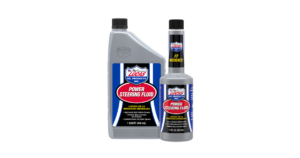 From my own experience working on everything from compact sedans to older SUVs, the truth is: there isn’t a one-size-fits-all number. But don’t worry, once you understand how the system works, figuring it out becomes surprisingly easy.
In this guide, I’ll break it down in plain language, no unnecessary jargon, so you can confidently check, top up, or even replace your power steering fluid like a pro.
Quick Answer (For Busy Readers)
Most cars need:
- Top-up amount: 100 ml to 300 ml (if slightly low)
- Full system capacity: 500 ml to 1 liter (sometimes up to 1.5 liters)
But the correct amount is determined by the reservoir level, not a fixed measurement.
What Is Power Steering Fluid (And Why It Matters)
Power steering fluid is a hydraulic fluid that helps you turn the steering wheel with minimal effort. Without it:
- Steering becomes heavy and difficult
- You may hear whining or groaning noises
- Long-term damage can occur to the pump and steering rack
Think of it like blood in your car’s steering system, not something you want running low.
How Much Power Steering Fluid Does a Car Actually Need?
1. The Real Rule: Fill to the Mark
Instead of guessing a quantity, always follow this:
- Check the reservoir
- Look for “MIN” and “MAX” lines
- Fill until it reaches the correct level
That’s it.
2. Typical Capacity Range
| Vehicle Type | Typical Capacity | Top-Up Amount |
| Small cars | 500–750 ml | 100–200 ml |
| Sedans | 750 ml–1 liter | 150–300 ml |
| SUVs / Trucks | 1–1.5 liters | 200–400 ml |
Real-world note: In most cases, you’ll never need to add more than a small amount unless there’s a leak.
My Personal Experience (What Most People Get Wrong)
I’ve seen this happen a lot: someone notices low fluid and pours in half a bottle without checking the level.
Bad idea.
Overfilling can cause:
- Foam formation
- Leaks from pressure buildup
- Poor steering performance
The right approach is slow and controlled:
- Add a little
- Check level
- Repeat
Signs Your Car Needs More Power Steering Fluid
If your car is asking for fluid, it usually tells you:
- Steering feels stiff or jerky
- You hear a whining noise when turning
- Fluid level is below MIN
- You see reddish or brown fluid leaks
👉 Important: If fluid keeps dropping, topping up is only a temporary fix; you likely leak.
Step-by-Step: How to Check and Fill Power Steering Fluid
Step 1: Locate the Reservoir
Usually:
- Near the engine
- Marked with a steering wheel symbol
Step 2: Check the Level
- Use dipstick (on cap) or reservoir markings
- Check when the engine is cold or as specified
Step 3: Add Fluid Slowly
- Use a funnel
- Pour small amounts
Step 4: Recheck
- Don’t exceed the MAX line
Step 5: Test Steering
- Start engine
- Turn the wheel left and right
- Recheck the level if needed
Types of Power Steering Fluid (Important!)
Not all fluids are the same. Using the wrong one can damage your system.
Common types:
- ATF (Automatic Transmission Fluid) – used in many older vehicles
- Synthetic Power Steering Fluid – modern systems
- Manufacturer-specific fluid
👉 Always check your owner’s manual before adding fluid.
Comparison Table: Fluid Types
| Fluid Type | Best For | Pros | Cons |
| ATF | Older vehicles | Cheap, widely available | Not ideal for modern systems |
| Synthetic PS Fluid | Modern cars | Better performance, longevity | Slightly expensive |
| OEM-Specific Fluid | Manufacturer requirement | Perfect compatibility | Limited availability |
Buyer’s Guide: Choosing the Right Power Steering Fluid
Buying the right fluid matters more than you think. Here’s how to choose:
1. Check Your Owner’s Manual
This is the golden rule: always follow manufacturer recommendations.
2. Look for Compatibility Labels
Good bottles clearly state:
- “Compatible with most vehicles.”
- Or specific brands/models
3. Consider Climate
In hot regions (like Bangladesh), go for:
- Heat-resistant synthetic fluids
4. Avoid Mixing Fluids
Mixing different types can:
- Reduce effectiveness
- Cause internal damage
5. Brand Matters (But Not Too Much)
Reliable brands ensure:
- Proper viscosity
- Longer lifespan
When Should You Replace (Not Just Refill) the Fluid?
Topping up is fine, but sometimes you need a full replacement.
Replace if:
- Fluid looks dark or dirty
- Burning smell present
- Steering feels inconsistent
- Every 50,000–100,000 km (general guideline)
Common Mistakes to Avoid
- ❌ Overfilling the reservoir
- ❌ Using the wrong fluid type
- ❌ Ignoring leaks
- ❌ Never changing old fluid
- ❌ Checking level on uneven ground
Long Detailed Guide (Deep Dive)
How the System Uses Fluid
Power steering systems rely on hydraulic pressure generated by a pump. The fluid transfers this pressure to help move the steering components.
When fluid is low:
- Air enters the system
- Pressure drops
- Steering becomes harder
Why Levels Drop Over Time
Fluid doesn’t just “disappear.” Common reasons include:
- Small leaks in hoses
- Worn seals
- Evaporation (minor)
- System wear
Can You Drive With Low Fluid?
Technically, yes, but not recommended. Driving with low fluid:
- Strains the pump
- Increases repair costs
- Can lead to complete failure
Read More: Where Is The Fuel Tank On A Car
Cost of Ignoring the Problem
| Issue | Estimated Cost |
| Fluid top-up | Very low |
| Hose repair | Moderate |
| Pump replacement | Expensive |
| Full steering system fix | Very expensive |
FAQs: How Much Power Steering Fluid Does A Car Need
1. Can I just fill it to the top?
No, always stay between MIN and MAX. Overfilling can cause problems.
2. How often should I check the power steering fluid?
Every 1–2 months or during regular maintenance.
3. What happens if I use the wrong fluid?
It can damage seals, reduce performance, and lead to costly repairs.
4. Is power steering fluid universal?
No, always check compatibility.
5. Why is my fluid foamy?
Usually due to:
- Overfilling
- Air in the system
6. Can I change it myself?
Yes, but a full flush requires some mechanical knowledge.
Final Thoughts
So, how much power steering fluid does a car need? 👉 The honest answer: just enough to reach the proper level, usually under 1 liter total, and much less for a top-up.
From personal experience, the biggest mistake isn’t adding too little, it’s adding too much or ignoring the real issue behind low fluid.
Treat your power steering system well, and it’ll reward you with smooth, effortless driving for years.