If you’ve ever seen the “Check Engine” light pop up on your dashboard, there’s a good chance the oxygen sensor, often called the O2 sensor, could be involved. It’s one of the most important sensors in a modern vehicle, yet most drivers never think about it until something goes wrong.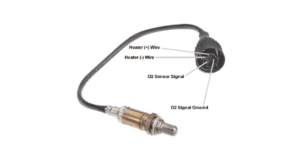 An oxygen sensor helps your engine run efficiently by monitoring the amount of oxygen in the exhaust gases. The information it sends to your car’s computer allows the engine to adjust the air-fuel mixture for better fuel economy, cleaner emissions, and smoother performance.
In simple terms, the oxygen sensor is like the engine’s breathing monitor. Without it, your car may burn too much fuel, pollute more, lose power, or even damage expensive components like the catalytic converter.
In this guide, we’ll cover:
- What an oxygen sensor is
- How it works
- Types of oxygen sensors
- Symptoms of a bad O2 sensor
- Replacement costs
- Maintenance tips
- Buyer’s guide
- Frequently asked questions
Whether you’re a beginner or a car enthusiast, this article explains everything in a clear and easy-to-understand way.
Quick Overview of Oxygen Sensors
| Feature | Details |
| Main Purpose | Measures oxygen levels in exhaust |
| Location | Exhaust manifold or exhaust pipe |
| Also Called | O2 sensor, lambda sensor |
| Connected To | Engine Control Unit (ECU) |
| Helps With | Fuel economy, emissions, performance |
| Typical Lifespan | 60,000–100,000 miles |
| Common Failure Signs | Poor MPG, rough idle, check engine light |
| Average Replacement Cost | $100–$350 |
What Does an Oxygen Sensor Do?
The oxygen sensor measures how much oxygen remains in the exhaust after combustion. It then sends this information to the engine computer.
The ECU (Engine Control Unit) uses the data to determine whether:
- The engine is running rich (too much fuel)
- The engine is running lean (too much air)
The ECU continuously adjusts fuel delivery to create the ideal air-fuel ratio. For gasoline engines, the ideal ratio is usually:
14.7:1
That means 14.7 parts air to 1 part fuel.
Maintaining this balance improves:
- Fuel economy
- Engine performance
- Emissions control
- Catalytic converter lifespan
How Does an Oxygen Sensor Work?
The oxygen sensor sits in the exhaust stream where it can analyze exhaust gases leaving the engine. Here’s the basic process:
- Fuel burns inside the engine
- Exhaust gases exit through the exhaust system
- The oxygen sensor detects oxygen content
- The sensor sends voltage signals to the ECU
- ECU adjusts fuel injection accordingly
The sensor reacts extremely quickly, often multiple times per second. Modern vehicles rely heavily on these rapid adjustments to maintain efficiency and comply with emission standards.
Where Is the Oxygen Sensor Located?
Most cars have multiple oxygen sensors. Typical locations include:
Upstream Oxygen Sensor
Located before the catalytic converter. Purpose:
- Measures engine combustion efficiency
- Main sensor for fuel adjustment
Downstream Oxygen Sensor
Located after the catalytic converter. Purpose:
- Monitors catalytic converter performance
- Helps emission diagnostics
Oxygen Sensor Location Comparison
| Sensor Type | Location | Main Job |
| Upstream O2 Sensor | Before the catalytic converter | Fuel mixture monitoring |
| Downstream O2 Sensor | After the catalytic converter | Catalytic converter monitoring |
| Wideband Sensor | Near the exhaust manifold | Precise fuel control |
| Heated O2 Sensor | Exhaust pipe | Faster warm-up readings |
Types of Oxygen Sensors
There are several kinds of oxygen sensors used in modern vehicles.
1. Zirconia Oxygen Sensor
This is the most common type. Features:
- Generates a voltage signal
- Affordable
- Reliable
- Common in older vehicles
2. Wideband Oxygen Sensor
Also known as an air-fuel ratio sensor. Features:
- More accurate
- Faster response time
- Better fuel management
- Common in modern vehicles
3. Heated Oxygen Sensor
Includes a built-in heating element. Benefits:
- Reaches operating temperature faster
- Improves cold-start emissions
- Better fuel efficiency
4. Titania Oxygen Sensor
Uses resistance changes instead of voltage. Less common today but still found in some vehicles.
Why Oxygen Sensors Matter
Many drivers underestimate how important this tiny component is. A properly functioning oxygen sensor helps:
Improve Fuel Economy
A bad sensor can increase fuel consumption by 20–40%.
Reduce Pollution
Oxygen sensors help keep emissions within legal limits.
Protect the Catalytic Converter
Incorrect fuel mixtures can overheat and destroy the catalytic converter.
Improve Engine Performance
Better throttle response and smoother acceleration.
Reduce Engine Damage
Running too rich or too lean can damage internal engine components over time.
Symptoms of a Bad Oxygen Sensor
Oxygen sensors eventually wear out. Contaminants, heat, and age can cause failure. Here are the most common symptoms.
1. Check Engine Light
This is the most common warning sign. Common trouble codes include:
- P0130
- P0135
- P0141
- P0171
- P0172
2. Poor Fuel Economy
A failing sensor may cause the engine to inject too much fuel. Result:
- More trips to the gas station
- Lower MPG
3. Rough Idle
The engine may:
- Shake
- Vibrate
- Stall occasionally
4. Engine Hesitation
Acceleration may feel sluggish or inconsistent.
5. Failed Emissions Test
A malfunctioning oxygen sensor can increase harmful emissions dramatically.
6. Rotten Egg Smell
Excess fuel can damage the catalytic converter and create sulfur-like odors.
Signs of a Bad Oxygen Sensor
| Symptom | Possible Cause |
| Check engine light | Incorrect O2 readings |
| Bad gas mileage | Rich fuel mixture |
| Rough idle | Poor fuel adjustments |
| Failed emissions test | Excess pollution |
| Black exhaust smoke | Too much fuel |
| Poor acceleration | Incorrect air-fuel ratio |
Can You Drive With a Bad Oxygen Sensor?
Technically, yes, but it’s not recommended. Driving too long with a faulty sensor can lead to:
- Reduced fuel economy
- Catalytic converter damage
- Increased emissions
- Poor engine performance
Ignoring the issue can turn a small repair into a very expensive one.
How Long Does an Oxygen Sensor Last?
Most oxygen sensors last:
- 60,000–100,000 miles
However, lifespan depends on:
- Fuel quality
- Engine condition
- Oil leaks
- Driving habits
- Contamination
What Causes Oxygen Sensors to Fail?
Several issues can shorten sensor lifespan.
Oil Contamination
Oil entering the exhaust can coat the sensor tip.
Coolant Leaks
A blown head gasket may contaminate the sensor.
Carbon Buildup
Excessive carbon deposits reduce accuracy.
Age and Heat
Extreme exhaust temperatures eventually wear sensors out.
Poor Fuel Quality
Contaminated fuel can damage sensor elements.
Oxygen Sensor Replacement Cost
Costs vary depending on the vehicle and sensor type.
Typical Costs
| Expense | Average Cost |
| Basic O2 Sensor | $30–$100 |
| Premium Wideband Sensor | $100–$250 |
| Labor | $70–$200 |
| Total Replacement | $100–$350 |
Luxury vehicles often cost more.
Can You Replace an Oxygen Sensor Yourself?
Yes, if you have basic tools and mechanical confidence. You may need:
- O2 sensor socket
- Jack stands
- Penetrating oil
- Ratchet wrench
However, some sensors become extremely seized due to heat and corrosion. Professional replacement is often easier.
How to Replace an Oxygen Sensor
Step 1: Locate the Sensor
Find it on the exhaust system.
Step 2: Disconnect the Battery
For safety.
Step 3: Unplug the Sensor Connector
Carefully disconnect wiring.
Step 4: Remove the Old Sensor
Use an O2 sensor socket.
Step 5: Install the New Sensor
Tighten properly without overtightening.
Step 6: Reconnect Everything
Reconnect the battery and sensor connector.
Step 7: Clear Trouble Codes
Use an OBD2 scanner if needed.
OEM vs Aftermarket Oxygen Sensors
Choosing the right replacement matters.
| Feature | OEM Sensor | Aftermarket Sensor |
| Quality | Usually excellent | Varies |
| Fitment | Perfect match | May vary |
| Price | More expensive | Often cheaper |
| Reliability | High | Depends on the brand |
| Warranty | Strong | Varies |
Best Oxygen Sensor Brands
Here are some trusted names.
Bosch
Known for reliability and OEM-quality sensors.
Denso
Excellent for Japanese vehicles.
NGK/NTK
Popular among mechanics and enthusiasts.
Delphi
Reliable aftermarket option.
Walker Products
Affordable replacement choice.
Buyer’s Guide: Choosing the Best Oxygen Sensor
Buying the correct oxygen sensor is important for performance and reliability. Here’s what to look for.
1. Vehicle Compatibility
Always check:
- Make
- Model
- Engine size
- Year
Wrong sensors can trigger error codes.
2. OEM vs Aftermarket
OEM is usually safest.
Aftermarket can save money if you choose a reputable brand.
3. Sensor Type
Make sure you get:
- Upstream or downstream
- Heated or non-heated
- Wideband or standard
4. Connector Style
Some sensors are:
- Direct-fit
- Universal fit
Direct-fit sensors are easier to install.
5. Warranty
A longer warranty usually indicates better quality.
Personal Review and Real-World Experience
In my experience, oxygen sensors are one of those car parts people ignore until fuel economy suddenly drops or the check engine light appears.
I’ve seen vehicles gain noticeably better throttle response and smoother idle immediately after replacing a failing upstream sensor. One older sedan I worked on improved from poor fuel mileage to nearly normal MPG after a simple sensor replacement.
What surprises many drivers is how much damage a bad sensor can cause if ignored. The sensor itself may cost under $100, but a ruined catalytic converter can cost thousands.
I also noticed that cheap, no-name sensors often create more problems than they solve. In many cases, spending slightly more for a Bosch, Denso, or NTK sensor is worth it.
For DIY mechanics, replacing an oxygen sensor is usually manageable unless rust turns it into a nightmare. In colder climates, sensors can seize badly from years of heat cycles and corrosion.
Overall, oxygen sensors are small but incredibly important components in modern vehicles.
Common Oxygen Sensor Myths
Myth 1: Oxygen Sensors Only Affect Emissions
False. They also affect:
- Fuel economy
- Performance
- Engine health
Myth 2: You Only Need One Sensor
Many modern vehicles have 2–4 sensors.
Myth 3: Cleaning Always Fixes Them
Sometimes cleaning helps temporarily, but most failed sensors require replacement.
Myth 4: Any Universal Sensor Works Fine
Incorrect wiring or compatibility problems are common with cheap universal sensors.
How Oxygen Sensors Affect Fuel Economy
A failing sensor can dramatically reduce MPG.
Why?
Because the ECU relies on accurate oxygen readings to optimize fuel delivery.
If the sensor falsely reports a lean condition, the ECU adds extra fuel unnecessarily.
This leads to:
- Wasted gasoline
- Carbon buildup
- Reduced efficiency
Oxygen Sensors and Emissions
Modern emission systems depend heavily on oxygen sensors. Without accurate readings:
- Hydrocarbons increase
- Carbon monoxide rises
- Nitrogen oxide emissions worsen
That’s why failed sensors often cause emissions test failures.
Oxygen Sensors vs Air-Fuel Ratio Sensors
Many newer vehicles use air-fuel ratio sensors instead of traditional narrowband oxygen sensors.
Main Differences
| Feature | Oxygen Sensor | Air-Fuel Ratio Sensor |
| Accuracy | Moderate | Very high |
| Response Speed | Slower | Faster |
| Fuel Control | Basic | Precise |
| Common In | Older cars | Modern vehicles |
| Cost | Lower | Higher |
Can a Bad Oxygen Sensor Damage the Engine?
Yes indirectly. Long-term issues may include:
- Carbon buildup
- Spark plug fouling
- Catalytic converter failure
- Poor combustion
- Increased engine wear
Preventing Oxygen Sensor Failure
You can extend sensor life by:
- Fixing oil leaks quickly
- Using quality fuel
- Avoiding excessive idling
- Maintaining the ignition system
- Repairing coolant leaks immediately
Read More: Car AC Condenser VS Compressor
FAQs: What Is An Oxygen Sensor In A Car
What happens when an oxygen sensor goes bad?
A bad oxygen sensor can cause poor fuel economy, rough idle, engine hesitation, and trigger the check engine light.
Can I drive with a faulty oxygen sensor?
Yes, but it’s not recommended because it can damage the catalytic converter and reduce fuel efficiency.
How much does it cost to replace an oxygen sensor?
Most replacements cost between $100 and $350, including labor.
How many oxygen sensors does a car have?
Most modern vehicles have between 2 and 4 oxygen sensors.
Does a bad oxygen sensor affect acceleration?
Yes. Incorrect fuel mixture adjustments can cause sluggish acceleration and hesitation.
Can a bad O2 sensor cause a rough idle?
Absolutely. Improper air-fuel ratios often lead to unstable engine idle.
How often should oxygen sensors be replaced?
Typically, every 60,000–100,000 miles, depending on the vehicle and sensor type.
Will a new oxygen sensor improve fuel economy?
If the old sensor was faulty, replacing it can significantly improve MPG.
Can I clean an oxygen sensor instead of replacing it?
Cleaning may help temporarily, but replacement is usually the best long-term solution.
Is replacing an oxygen sensor difficult?
For many vehicles, it’s a moderate DIY repair requiring basic tools and an O2 sensor socket.
Final Thoughts
The oxygen sensor is one of the most important parts of a modern vehicle’s engine management system. Although it’s small and often overlooked, it directly affects:
- Fuel efficiency
- Emissions
- Engine performance
- Catalytic converter lifespan
When an oxygen sensor fails, the symptoms may start small, like reduced MPG or a check engine light, but ignoring it can lead to expensive repairs later. Fortunately, oxygen sensors are relatively affordable and straightforward to replace.
If your vehicle shows signs of poor fuel economy, rough idle, or emission problems, checking the oxygen sensor should be high on your list.