I’ve asked it myself usually right after my engine made a noise it absolutely shouldn’t have. Oil isn’t exciting. It’s not shiny. It doesn’t beep at you like a warning sensor. But it’s one of the most important fluids in your car. Ignore it, and you’re basically asking for expensive problems. This article is written from real-life experience, not a mechanic’s textbook. I’ll break down:
- The clear signs your car needs oil
- What your car feels and sounds like when oil is low
- How to check oil the right way
- What happens if you don’t
- A buyer’s guide to choosing the correct oil
- A comparison table for oil types
- FAQs that real drivers actually ask
No fluff. No scare tactics. Just honest, everyday car owner advice.
Why Engine Oil Matters More Than You Think
Engine oil does five critical jobs:
- Lubricates moving engine parts
- Reduces heat and friction
- Cleans out sludge and debris
- Prevents corrosion
- Helps seal engine components
Without oil or with too little oil metal grinds against metal. That’s not dramatic language. That’s literal engine damage happening in real time.
I learned this the hard way on an old sedan I pushed “just one more week” past an oil check. That week turned into a four-figure repair bill.
The Most Common Signs Your Car Needs Oil
Let’s start with the obvious and move into the sneaky stuff.
1. Oil Warning Light Comes On
This one seems simple, but many drivers misunderstand it.
- The oil light does not mean “change oil soon.”
- It usually means low oil pressure, which is serious.
If this light comes on while driving, don’t ignore it. Pull over safely and shut off the engine.
Personal experience: I once ignored this light thinking it was just a reminder. It wasn’t. The engine was running dangerously low.
2. Engine Sounds Louder Than Usual
Your car normally has a steady, familiar sound. When oil is low:
- The engine may tick or knock
- You may hear a faint grinding noise
- Cold starts sound rougher
Low oil means less lubrication. More friction equals more noise. If your car suddenly sounds like it’s annoyed with you, check the oil.
3. Burning Oil Smell
A sharp, burnt smell inside or around the car is a red flag. Possible causes:
- Oil leaking onto hot engine parts
- Oil overheating due to low levels
- Worn seals allowing oil to burn
This smell is not normal. Don’t confuse it with exhaust.
4. Smoke from the Hood or Exhaust
Smoke is never good news.
- Blue smoke = oil burning
- Smoke from the hood = oil leak hitting hot components
I once thought steam was just condensation. It wasn’t. It was oil burning off the engine block.
5. Poor Performance or Sluggish Acceleration
Low oil doesn’t just damage the engine it affects how your car drives. You may notice:
- Slower acceleration
- Reduced fuel efficiency
- Rough idling
Your engine is working harder with less protection.
6. Oil Looks Dirty or Extremely Low
This is the most reliable sign and the one most people skip. If you haven’t checked your oil in months, there’s a good chance your car needs oil.
How to Check Your Oil (The Right Way)
Checking oil is easy. You don’t need tools. You don’t need a mechanic.
Step-by-Step Oil Check
- Park on level ground
- Turn off the engine
- Wait 5–10 minutes
- Open the hood
- Pull out the dipstick
- Wipe it clean
- Reinsert fully
- Pull it out again
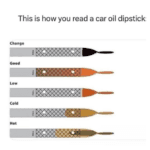
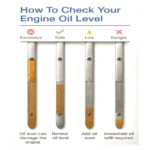
What You’re Looking For
- Oil level between MIN and MAX
- Color: amber to dark brown is normal
- Texture: smooth, not gritty
If it’s below MIN, your car needs oil.
Oil Color Guide: What It Tells You
| Oil Color | What It Means | Action Needed |
| Light amber | Fresh oil | No action |
| Dark brown | Normal used oil | Monitor |
| Black & thick | Old oil | Change oil |
| Milky | Coolant contamination | Immediate service |
How Often Does a Car Need Oil?
This depends on several factors:
- Engine type
- Oil type
- Driving habits
- Vehicle age
General U.S. Guidelines
| Oil Type | Change Interval |
| Conventional | 3,000–5,000 miles |
| Synthetic Blend | 5,000–7,500 miles |
| Full Synthetic | 7,500–10,000 miles |
Short trips, towing, and stop-and-go traffic shorten these intervals.
What Happens If You Drive With Low Oil?
This is where things get expensive.
Short-Term Damage
- Increased engine wear
- Overheating
- Reduced efficiency
Long-Term Damage
- Bearing failure
- Warped engine components
- Complete engine seizure
I’ve seen engines destroyed simply because oil wasn’t checked.
Oil vs Oil Change: What’s the Difference?
Many people confuse these.
- Low oil = add oil
- Dirty oil = change oil
Topping off does not replace an oil change.
Buyer’s Guide: Choosing the Right Oil for Your Car
1. Check Your Owner’s Manual
This tells you:
- Oil viscosity (e.g., 5W-30)
- Recommended oil type
2. Conventional vs Synthetic
Conventional Oil
- Cheaper
- More frequent changes
Synthetic Oil
- Better protection
- Longer intervals
- Higher cost
3. High-Mileage Oil
If your car has over 75,000 miles, high-mileage oil can:
- Reduce leaks
- Condition seals
- Improve engine longevity
Comparison Table: Oil Types at a Glance
| Feature | Conventional | Synthetic Blend | Full Synthetic |
| Price | Low | Medium | High |
| Engine Protection | Basic | Good | Excellent |
| Change Interval | Short | Medium | Long |
| Best For | Older cars | Daily drivers | Modern engines |
My Personal Experience With Low Oil
I once ignored subtle signs slightly louder engine, mild burning smell. No warning light. No breakdown. Until one day, the car stalled. The issue?
Oil level was dangerously low due to a slow leak. That experience taught me one thing:
Check oil before the car forces you to.
Common Myths About Engine Oil
“Modern Cars Don’t Need Oil Checks”
False. They still burn oil.
“Dark Oil Means It’s Bad”
Not always. Oil darkens as it works.
“More Oil Is Better”
Wrong. Overfilling can cause engine damage.
Read More: How Check Transmission Fluid
FAQs: How Do You Know If Your Car Need Oil | My Honest Experience
How do I know if my car needs oil urgently?
If the oil light is on, engine sounds abnormal, or oil is below MIN stop driving.
Can I just add oil without changing it?
Yes, temporarily but still schedule an oil change.
How long can I drive with low oil?
There’s no safe distance. Damage can happen quickly.
Does cold weather affect oil levels?
Yes. Cold oil thickens and may show lower levels temporarily.
Can low oil cause overheating?
Absolutely. Oil helps control engine temperature.
Is it normal for cars to burn oil?
Some consumption is normal, especially in high-mileage engines.
Final Thoughts: Don’t Overthink It Just Check
Knowing if your car needs oil isn’t complicated. It’s about paying attention.
- Listen to your engine
- Watch for smells and smoke
- Check the dipstick regularly
Five minutes under the hood can save thousands of dollars. If there’s one habit every driver should have, it’s this: Check your oil before your car checks you.