If you’ve ever stood in the automotive aisle staring at dozens of oil bottles, wondering “Aren’t they all basically the same?” you’re not alone. I’ve been there more times than I care to admit.
Motor oil might not be flashy, but it’s one of the most important decisions you make for your car’s health. The right oil brand can mean:
- Smoother engine performance
- Better fuel economy
- Fewer repairs over time
- Longer engine life
The wrong oil? Sludge buildup, poor lubrication, and costly damage. This guide is written from a U.S. driver’s perspective, combining real-world experience, industry standards, and plain-English explanations.
Whether you drive a daily commuter, SUV, pickup truck, or older high-mileage car, this article will help you confidently choose the best car oil brand.

Quick Answer: What Are the Best Car Oil Brands?
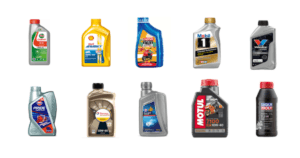
If you just want the short answer, here it is: Top car oil brands in the U.S. include:
- Mobil 1
- Valvoline
- Castrol
- Pennzoil
- Royal Purple
- Shell Rotella
- Liqui Moly
- TotalEnergies
- Amsoil
- Quaker State
But the best brand depends on your engine, mileage, driving habits, and budget, not just the label. Let’s break it all down.
Understanding Motor Oil Basics (Quick & Simple)
Before diving into brand reviews, it’s helpful to understand what motor oil actually does.
What Motor Oil Does for Your Car
Motor oil:
- Lubricates moving engine parts
- Reduces friction and heat
- Cleans sludge and deposits
- Protects against corrosion
- Helps seal piston rings
No oil = metal grinding on metal. Bad oil = slow damage you don’t notice until it’s too late.
Types of Car Motor Oil
1. Conventional Motor Oil
- Cheapest option
- Best for older, low-stress engines
- Shorter oil change intervals
2. Synthetic Blend
- Mix of conventional and synthetic
- Better protection at a reasonable price
- Common in modern vehicles
3. Full Synthetic
- Best overall protection
- Handles heat and cold better
- Longer oil change intervals
- Required by many newer cars
4. High-Mileage Oil
- Designed for cars with 75,000+ miles
- Helps reduce leaks and oil burn-off
- Conditions of old seals
Full Car Oil Brands List (U.S. Market)
Below is a detailed, honest look at the most trusted car oil brands in the United States, based on availability, reputation, and real-world performance.
Mobil 1
Best Overall Motor Oil Brand
Mobil 1 is often considered the gold standard and for good reason.
What I Like
- Consistent engine cleanliness
- Excellent cold-start protection
- OEM-approved by many manufacturers
- Widely available everywhere
Best For
- Newer vehicles
- Turbocharged engines
- Drivers who want long oil change intervals
Downsides
- Slightly more expensive than average
Verdict: If you don’t want to overthink oil choices, Mobil 1 is a safe, premium pick.
Valvoline
Best Balance of Price & Performance
Valvoline has been around since the 1800s and remains one of the most trusted American brands.
What I Like
- Great high-mileage formulas
- Affordable pricing
- Excellent engine protection
Best For
- Daily drivers
- Older vehicles
- Budget-conscious owners
Downsides
- Not as “boutique” as some premium brands
Verdict: Reliable, affordable, and easy to find, Valvoline is hard to beat.
Castrol
Best for Engine Cleanliness
Castrol oils focus heavily on sludge prevention and engine cleanliness.
What I Like
- Smooth engine operation
- Strong detergent additives
- OEM partnerships (BMW, VW)
Best For
- European cars
- Turbo engines
- Stop-and-go driving
Downsides
- Some formulas are pricier
Verdict: Excellent if you want a clean-running engine long-term.
Pennzoil
Best Oil Made from Natural Gas
Pennzoil’s PurePlus technology sets it apart.
What I Like
- Extremely clean-burning
- Great fuel economy improvement
- Affordable synthetic options
Best For
- Newer vehicles
- Long highway drives
- Fuel efficiency
Downsides
- Fewer specialty formulas
Verdict: One of the best synthetics at a fair price.
Royal Purple
Best Premium Performance Oil
Royal Purple is popular with performance enthusiasts.
What I Like
- Excellent wear protection
- Improved throttle response
- High-quality additives
Best For
- Performance cars
- Enthusiast drivers
- Hot climates
Downsides
- Expensive
- Overkill for basic cars
Verdict: Amazing oil, just not necessary for every driver.
Shell Rotella (For Gas Cars Too)
Though known for diesel, Rotella makes strong gasoline formulas.
What I Like
- Strong additive package
- Excellent protection
- Trusted brand
Best For
- Trucks and SUVs
- High-load driving
Downsides
- Not always optimized for fuel economy
Verdict: Tough oil for tough engines.
Liqui Moly
Best European Engine Oil
Liqui Moly is highly respected in Europe and growing in the U.S.
What I Like
- Exceptional engine smoothness
- Specialized formulas
- OEM approvals
Best For
- German cars
- High-performance engines
Downsides
- Expensive
- Limited availability
Verdict: Premium quality for drivers who demand the best.
Amsoil
Best for Extended Oil Change Intervals
Amsoil is known for long-drain intervals.
What I Like
- Extremely durable
- Excellent engine protection
- Long-lasting formulas
Best For
- Long-distance drivers
- Fleet vehicles
Downsides
- Higher cost
- Not always in local stores
Verdict: Ideal if you want fewer oil changes.
Quaker State
Best Budget-Friendly Oil
Often overlooked but surprisingly solid.
What I Like
- Affordable
- Good basic protection
- Widely available
Best For
- Older vehicles
- Frequent oil changes
Downsides
- Not top-tier performance
Verdict: Great value oil for everyday use.
TotalEnergies
Best International Brand Growing in the U.S.
What I Like
- Strong European formulations
- OEM approvals
- Clean engine operation
Best For
- European cars
- Drivers wanting something different
Downsides
- Limited availability
Car Oil Brands Comparison Table
| Brand | Oil Type | Best For | Price Range | Overall Rating |
| Mobil 1 | Full Synthetic | New cars | $29 | ⭐⭐⭐⭐⭐ |
| Valvoline | All types | Daily driving | $33 | ⭐⭐⭐⭐½ |
| Castrol | Synthetic | Clean engines | $29 | ⭐⭐⭐⭐½ |
| Pennzoil | Synthetic | Fuel efficiency | $34 | ⭐⭐⭐⭐½ |
| Royal Purple | Synthetic | Performance | $28 | ⭐⭐⭐⭐ |
| Liqui Moly | Synthetic | European cars | $35 | ⭐⭐⭐⭐½ |
| Amsoil | Synthetic | Long intervals | $26 | ⭐⭐⭐⭐½ |
| Quaker State | Conventional/Synthetic | Budget | $17 | ⭐⭐⭐⭐ |
Buyer’s Guide: How to Choose the Right Car Oil Brand
1. Follow Your Owner’s Manual
Always match:
- Oil viscosity (e.g., 5W-30)
- API certification
- Manufacturer approval
2. Consider Your Car’s Mileage
- Under 75k miles → Standard synthetic
- Over 75k miles → High-mileage oil
3. Driving Habits Matter
- Short trips → Better detergents
- Highway driving → Long-drain oils
- Hot climates → Thicker viscosity
4. Budget vs Value
Spending a few extra dollars on oil is cheaper than engine repairs.
Common Mistakes When Buying Motor Oil
- Choosing the wrong viscosity
- Ignoring manufacturer approvals
- Mixing different oil types
- Skipping oil changes for too long
Read More: Mobil 1 Engine Oil Review | My Honest Review
FAQs: Car Oil Brands List | My Honest Experience
What is the best car oil brand in the U.S.?
Mobil 1, Valvoline, and Pennzoil are consistently top-rated.
Is expensive oil really worth it?
Yes,s especially for newer or turbocharged engines.
Can I switch oil brands?
Yes, as long as viscosity and specs match.
How often should I change oil?
- Synthetic: 7,500–10,000 miles
- Conventional: 3,000–5,000 miles
Is high-mileage oil necessary?
If your car has over 75,000 miles, it helps reduce leaks and wear.
Final Thoughts:
If I had to recommend just one oil brand for most U.S. drivers?
👉 Mobil 1 or Valvoline
They’re easy to find, fairly priced, and proven to protect engines over hundreds of thousands of miles.
That said, the best oil is the one that meets your car’s requirements and gets changed on time.