Most drivers spend a lot of time maintaining engines, changing oil, and checking tires, yet many forget one of the simplest components affecting daily comfort: the cabin air filter.
I didn’t pay much attention to cabin air filters until I noticed a persistent dusty smell every time I turned on my car’s AC. Allergy symptoms became worse during spring, and airflow from the vents felt weaker than usual. Replacing the old filter made an immediate difference.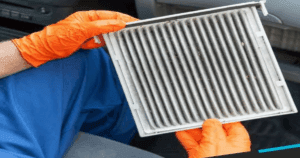 The air smelled fresher, the ventilation improved, and long drives became noticeably more comfortable. A quality cabin air filter does much more than trap dust. It can remove pollen, mold spores, smoke particles, road debris, and even unpleasant odors.
For people with allergies, asthma, or those who regularly drive in urban traffic, choosing the right filter can significantly improve the driving experience.
Below are some of the top cabin air filters that consistently receive positive feedback from consumers and automotive experts.
Quick Comparison Table: Best Cabin Air Filters
| Product | Filter Type | Key Features | Best For | Average Lifespan |
| Bosch HEPA Premium Cabin Air Filter | HEPA | Up to 99.97% particle filtration | Allergy sufferers | 12 months |
| FRAM Fresh Breeze Cabin Air Filter | Carbon + Baking Soda | Odor elimination and dust protection | Everyday drivers | 12 months |
| EPAuto Premium Cabin Air Filter | Activated Carbon | Excellent value and odor control | Budget buyers | 12 months |
| K&N Washable Cabin Air Filter | Reusable Synthetic | Washable and reusable design | Long-term savings | Up to 5 years |
| PurolatorONE Cabin Air Filter | Electrostatic | Strong filtration performance | Balanced performance | 12 months |
1. Bosch HEPA Premium Cabin Air Filter
Personal Review
The Bosch HEPA filter is one of the most impressive cabin air filters I have used. Installation was straightforward, and the improvement in cabin air quality was noticeable within days.
During heavy pollen season, this filter significantly reduced allergy symptoms. The HEPA technology captures microscopic particles that many standard filters simply miss.
Pros
- Exceptional filtration performance
- Excellent for allergies and asthma
- Reduces dust and fine pollutants
- Premium construction quality
Cons
- More expensive than standard filters
- Vehicle compatibility should be checked carefully
Best For
Drivers living in cities with high pollution levels or anyone sensitive to allergens.
2. FRAM Fresh Breeze Cabin Air Filter
Personal Review
The FRAM Fresh Breeze has become a favorite among many drivers because it combines effective filtration with odor reduction.
What stands out is the added baking soda and activated carbon layer. If your vehicle often develops musty smells or you regularly drive through polluted areas, this filter makes a noticeable difference.
Pros
- Great odor control
- Affordable pricing
- Widely available
- Easy installation
Cons
- Not as fine-particle efficient as HEPA filters
Best For
Drivers seeking fresh-smelling interiors at a reasonable price.
3. EPAuto Premium Cabin Air Filter
Personal Review
This filter surprised me with its value. Despite its budget-friendly pricing, it performs remarkably well.
I noticed less road dust entering the cabin and reduced unpleasant traffic odors. It may not be the absolute premium option, but it offers tremendous value for money.
Pros
- Budget-friendly
- Activated carbon filtration
- Easy replacement process
- Good airflow performance
Cons
- Durability may vary by driving conditions
Best For
Budget-conscious vehicle owners.
4. K&N Washable Cabin Air Filter
Personal Review
K&N is famous for reusable engine air filters, and its cabin version follows the same philosophy.
Initially, I was skeptical about cleaning and reusing a cabin filter, but after several maintenance cycles, it proved surprisingly practical.
Although the upfront price is higher, long-term savings can be substantial.
Pros
- Washable and reusable
- Long service life
- Strong airflow performance
- Environmentally friendly
Cons
- Requires periodic cleaning
- Higher initial investment
Best For
Drivers planning to keep their vehicle for many years.
5. PurolatorONE Cabin Air Filter
Personal Review
Purolator often flies under the radar, but its cabin filters consistently deliver dependable performance.
The electrostatic filtration technology captures a wide range of contaminants while maintaining excellent airflow.
Pros
- Good balance of price and performance
- Strong particle capture
- Reliable construction
Cons
- Less effective for strong odors than carbon filters
Best For
Drivers seeking balanced performance without overspending.
Why Cabin Air Filters Matter More Than Most Drivers Think
Many people assume cabin air filters are optional maintenance items. In reality, they directly affect:
- Interior air quality
- HVAC efficiency
- Vent airflow performance
- Passenger comfort
- Allergy and respiratory health
A clogged filter can force your heating and air-conditioning system to work harder, potentially leading to reduced efficiency and unpleasant smells.
Signs You Need a New Cabin Air Filter
If you experience any of the following symptoms, replacement may be overdue:
1. Weak Airflow
Even with the fan on high, air barely comes through the vents.
2. Bad Odors
Musty or dirty smells often indicate a contaminated filter.
3. Increased Allergy Symptoms
Pollen and dust may be bypassing an old filter.
4. Excessive Dust Inside the Cabin
A failing filter allows more contaminants to circulate.
5. Foggy Windows
Poor airflow can contribute to ineffective defogging.
Buyer’s Guide: How to Choose the Best Cabin Air Filter
1. Consider Your Driving Environment
Urban Driving
Choose activated carbon or HEPA filters to combat pollution and exhaust fumes.
Rural Driving
Pollen filtration becomes more important.
Dusty Areas
Look for filters with higher particle-trapping efficiency.
2. HEPA vs Carbon Filters
| Feature | HEPA Filter | Carbon Filter |
| Dust Filtration | Excellent | Good |
| Pollen Removal | Excellent | Good |
| Odor Removal | Moderate | Excellent |
| Pollution Control | Excellent | Very Good |
| Cost | Higher | Moderate |
For many drivers, activated carbon filters offer the best all-around performance, while allergy sufferers may benefit most from HEPA options.
3. Replacement Interval
Most manufacturers recommend replacement every:
12,000–15,000 miles or approximately once per year.
However, replacement may need to occur sooner if you frequently drive in:
- Heavy traffic
- Construction zones
- Desert regions
- High-pollen environments
4. Ease of Installation
One pleasant surprise with cabin air filters is how easy they are to replace. For many vehicles, replacement takes only 10–15 minutes and often requires no tools. Always verify compatibility using your vehicle’s:
- Year
- Make
- Model
- Engine type
5. Price vs Value
A cheap filter can save money initially but may provide weaker filtration and a shorter lifespan. Spending slightly more on a premium option often results in:
- Better air quality
- Longer replacement intervals
- Improved HVAC efficiency
- Enhanced passenger comfort
My Overall Recommendations
Best Overall:
Bosch HEPA Premium Cabin Air Filter
Excellent filtration and ideal for drivers concerned about air quality.
Best Value:
EPAuto Premium Cabin Air Filter
Affordable yet surprisingly effective.
Best for Odor Removal:
FRAM Fresh Breeze
Outstanding at reducing unpleasant smells.
Best Long-Term Investment:
K&N Washable Cabin Air Filter
Higher initial cost but economical over time.
Best Balanced Choice:
PurolatorONE Cabin Air Filter
Strong performance across nearly every category.
Read More: How To Put Power Steering Fluid In Car
FAQs: Best Car Cabin Air Filter Consumer Reports
How often should I replace my cabin air filter?
Most vehicles benefit from replacement every 12 months or 12,000–15,000 miles. Dusty or polluted environments may require more frequent changes.
Are expensive cabin air filters worth it?
In many cases, yes. Premium filters generally provide better particle capture, odor reduction, and durability.
Can I replace a cabin air filter myself?
Absolutely. Most cabin air filters are easy DIY maintenance items and can usually be replaced in less than 15 minutes.
Which cabin air filter is best for allergies?
HEPA filters, especially the Bosch HEPA Premium Cabin Air Filter, are among the best choices for allergy sufferers due to their excellent fine-particle filtration.
Do cabin air filters improve AC performance?
Yes. A clean filter improves airflow, allowing the HVAC system to operate more efficiently.
Is a carbon cabin air filter better than a regular filter?
For most drivers, yes. Activated carbon filters help remove odors, smoke, and certain airborne pollutants that standard filters cannot effectively capture.
Can a dirty cabin air filter make my car smell bad?
Yes. Over time, trapped moisture, dirt, and organic material can cause unpleasant odors inside the vehicle.
Are reusable cabin air filters worth buying?
If you keep your vehicle for many years, reusable options like K&N can provide long-term savings despite their higher upfront cost.
Final Thoughts
After trying several cabin air filters over the years, I have come to appreciate how much this small component affects daily driving comfort.
A good cabin air filter doesn’t just keep dust away; it creates a healthier and more pleasant environment inside your vehicle. Considering how much time many of us spend commuting, investing in cleaner cabin air is surprisingly worthwhile.
If allergies, odors, or poor airflow are issues in your vehicle, replacing your cabin air filter may be one of the easiest and most satisfying maintenance upgrades you can make.