If you’ve ever sat in traffic and noticed the temperature gauge climbing, one unsung hero is working hard under the hood: the cooling fan. Most drivers don’t think much about it until something goes wrong.
But after dealing with overheating issues in my own car during a brutal summer road trip, I learned just how critical this simple component really is.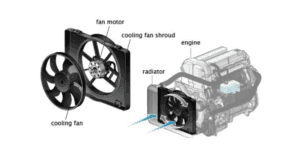 The cooling fan plays a huge role in keeping your engine at a safe operating temperature. Without it, even the most powerful engines could overheat in minutes, especially in slow-moving traffic or hot weather.
In this detailed guide, I’ll break down exactly what a cooling fan does, how it works, the different types available, warning signs of failure, maintenance tips, and what to look for if you need a replacement.
Whether you’re a beginner car owner or someone trying to diagnose an overheating problem, this guide will help you understand everything in simple terms.
What Is a Cooling Fan in a Car?
A car cooling fan is part of the engine cooling system. Its main job is to pull air through the radiator to cool the engine coolant.
The engine creates enormous heat while running. Without proper cooling, temperatures would quickly rise high enough to damage engine components.
The cooling fan helps regulate this heat by assisting airflow through the radiator, especially when the vehicle is not moving fast enough to generate natural airflow. In simple terms:
- The engine gets hot
- Coolant absorbs heat
- The radiator releases heat
- The cooling fan helps remove that heat
It’s a continuous cycle that keeps your engine alive and healthy.
How the Cooling Fan Works
Here’s the process in easy-to-understand steps:
- The engine heats up during operation
- Coolant circulates through the engine
- Hot coolant moves into the radiator
- The radiator dissipates heat
- The cooling fan pulls or pushes air through the radiator fins
- Heat escapes into the outside air
Modern vehicles usually use electric cooling fans controlled by sensors and the engine computer. When the engine reaches a certain temperature, the fan automatically switches on.
Once the temperature drops, the fan shuts off again. Older vehicles often used mechanical fans attached directly to the engine.
Main Functions of a Cooling Fan
The cooling fan does far more than many people realize.
1. Prevents Engine Overheating
This is the primary function. Without sufficient cooling, engines can suffer:
- Blown head gaskets
- Warped cylinder heads
- Cracked engine blocks
- Complete engine failure
The cooling fan keeps temperatures under control.
2. Improves Performance
Engines operate best within a specific temperature range. Too hot:
- Reduced power
- Poor fuel economy
- Increased wear
Too cold:
- Inefficient combustion
- Higher emissions
The cooling fan helps maintain optimal operating temperatures.
3. Supports Air Conditioning
Most cooling fans also assist the AC condenser. When you turn on your air conditioning, the cooling fan often activates to help cool the refrigerant system.
That’s why a failing cooling fan can cause:
- Weak AC performance
- Warm air from vents
- AC shuts down due to overheating
4. Protects Engine Components
Excessive heat damage:
- Hoses
- Belts
- Gaskets
- Sensors
- Wiring
A properly working cooling fan extends engine life significantly.
Types of Cooling Fans
There are two primary types used in vehicles.
Comparison Table: Mechanical vs Electric Cooling Fans
| Feature | Mechanical Fan | Electric Fan |
| Power Source | Engine-driven belt | Electric motor |
| Efficiency | Less efficient | More efficient |
| Fuel Economy | Slightly lower | Better |
| Noise Level | Louder | Quieter |
| Control | Constant spinning | Temperature-controlled |
| Maintenance | More mechanical wear | Electrical components can fail |
| Common In | Older vehicles | Modern vehicles |
| Cooling Precision | Less accurate | Highly accurate |
Mechanical Cooling Fans
Mechanical fans are attached directly to the engine. They spin whenever the engine runs.
Pros
- Simple design
- Reliable
- Durable
Cons
- Wastes energy
- Less fuel efficient
- Can be noisy
Older trucks and classic cars commonly use them.
Electric Cooling Fans
Electric fans are now standard in modern vehicles. They operate only when needed.
Pros
- Better fuel economy
- More precise cooling
- Quieter operation
Cons
- More electronics involved
- Sensor failures possible
Most modern sedans, SUVs, and crossovers use electric cooling fans.
Signs of a Bad Cooling Fan
One thing I learned the hard way: cooling fan problems often start small before turning into major repairs. Here are the warning signs.
1. Engine Overheating
This is the biggest red flag. If your temperature gauge climbs higher than normal, the cooling fan may not be operating properly.
2. Loud Fan Noise
Grinding, rattling, or buzzing sounds can indicate:
- Worn bearings
- Loose blades
- Motor issues
3. Air Conditioner Stops Cooling
A faulty fan can affect AC performance, especially at low speeds.
4. Check Engine Light
Modern vehicles monitor cooling system performance. A failed fan motor or relay may trigger warning lights.
5. Fan Never Turns On
If the fan never activates:
- Blown fuse
- Faulty relay
- Bad temperature sensor
- Dead motor
could be responsible.
What Causes Cooling Fan Failure?
Cooling fans usually last many years, but failures happen. Common causes include:
- Burned-out fan motor
- Faulty temperature sensor
- Bad relay
- Wiring damage
- Corrosion
- Blown fuse
- Broken fan blades
Heat and age are major contributors.
Can You Drive with a Bad Cooling Fan?
Technically, yes, but it’s risky. At highway speeds, airflow may naturally cool the radiator. However, during:
- Traffic jams
- Idling
- Hot weather
- Stop-and-go driving
The engine can overheat quickly. Driving with a failed cooling fan for too long may destroy your engine.
I once ignored intermittent overheating for two weeks. Eventually, my radiator cracked, turning a small repair into an expensive one.
Lesson learned.
How to Test a Cooling Fan
Here are a few basic checks.
Visual Inspection
Look for:
- Cracked blades
- Loose wiring
- Corrosion
- Debris
Turn On the AC
In many cars, the cooling fan should activate when the AC is switched on. If it doesn’t:
- Fan motor
- Relay
- Fuse
might be faulty.
Monitor Engine Temperature
Let the engine idle. Watch for:
- Rising temperature
- Fan activation
No fan movement usually indicates trouble.
Cooling Fan Maintenance Tips
Fortunately, cooling fans require minimal maintenance.
Keep the Radiator Clean
Debris blocks airflow.
Clean:
- Leaves
- Dirt
- Bugs
from radiator fins.
Check Coolant Levels
Low coolant increases heat stress on the fan system.
Inspect Electrical Connections
Loose or corroded wires can prevent proper operation.
Replace Worn Components Early
Ignoring small cooling issues often leads to larger repairs.
Cooling Fan vs Radiator: What’s the Difference?
Many people confuse these two components.
Comparison Table: Cooling Fan vs Radiator
| Component | Main Job | How It Works |
| Cooling Fan | Moves air through the radiator | Uses blades powered mechanically or electrically |
| Radiator | Removes heat from the coolant | Uses metal fins and coolant flow |
The radiator dissipates heat. The cooling fan improves airflow to help the radiator work efficiently. They work together.
How Much Does Cooling Fan Replacement Cost?
Costs vary depending on the vehicle.
Average Price Breakdown
| Repair Type | Estimated Cost |
| Fuse Replacement | $10–$30 |
| Relay Replacement | $50–$150 |
| Cooling Fan Motor | $150–$400 |
| Full Fan Assembly | $300–$700 |
| Luxury Vehicle Repairs | $800+ |
Labor costs can vary significantly.
Buyer’s Guide: Choosing the Right Cooling Fan
If you need a replacement cooling fan, choosing the correct one matters. Here’s what to consider.
1. Compatibility
Always match:
- Make
- Model
- Engine size
- Year
Even similar cars may use different fan assemblies.
2. OEM vs Aftermarket
OEM Fans
Made by the original manufacturer.
Advantages
- Exact fit
- Reliable quality
- Factory performance
Disadvantages
- More expensive
Aftermarket Fans
Third-party replacements.
Advantages
- Lower cost
- Wider availability
Disadvantages
- Quality varies
Personally, I prefer OEM for daily drivers and aftermarket only from trusted brands.
3. Fan Size
Larger fans move more air but must fit correctly.
Never guess sizing.
4. Airflow Rating (CFM)
CFM = Cubic Feet Per Minute
Higher CFM means stronger airflow.
Performance vehicles often require higher airflow fans.
5. Noise Level
Some aftermarket fans can be surprisingly loud.
Check reviews before buying.
6. Durability
Look for:
- Weather-resistant materials
- High-quality motors
- Reinforced blades
Cheap fans often fail early.
Best Cooling Fan Brands
Several brands consistently earn strong reputations.
Popular Choices
| Brand | Known For |
| Dorman | Affordable replacements |
| Mishimoto | Performance cooling |
| Hayden | Reliable aftermarket parts |
| Flex-a-lite | Racing applications |
| ACDelco | OEM-quality reliability |
Always verify compatibility before purchase.
Does Every Car Have a Cooling Fan?
Yes, though designs vary. Some vehicles use:
- Single fans
- Dual fans
- Mechanical systems
- Electric systems
Hybrid and electric vehicles also use cooling fans for batteries and electronics.
Cooling Fans in Electric Vehicles
EVs still generate heat. Cooling systems help regulate:
- Battery temperature
- Electric motors
- Power electronics
In many EVs, advanced cooling systems are even more critical than in gas-powered cars.
Why Cooling Systems Matter More Today
Modern engines run hotter than older engines. Manufacturers push:
- Better fuel economy
- Lower emissions
- More power
This increases heat generation. As a result, cooling systems have become incredibly important.
Common Cooling Fan Myths
Myth 1: The Fan Should Always Run
False. Most electric fans cycle on and off automatically.
Myth 2: Overheating Always Means Low Coolant
Not necessarily. A failed cooling fan can cause overheating even with full coolant levels.
Myth 3: Bigger Fans Are Always Better
Incorrect. Improper airflow balance can actually reduce efficiency.
My Personal Experience with Cooling Fan Failure
One summer afternoon, my sedan started running hotter than normal during traffic. At first, I ignored it because temperatures returned to normal while driving on highways.
Eventually:
- AC stopped cooling
- The temperature warning light appeared
- Steam started rising
The culprit? A failed cooling fan relay costing under $50. Unfortunately, delaying repairs damaged the radiator and hoses.
That experience taught me how quickly cooling issues can escalate. Now I always pay attention to:
- Temperature gauges
- Fan sounds
- AC performance
Small symptoms matter.
How Long Does a Cooling Fan Last?
Most cooling fans last:
- 8–15 years
or - 100,000–200,000 miles
Lifespan depends on:
- Climate
- Driving habits
- Vehicle quality
- Maintenance
Hot climates typically shorten lifespan.
Should You Replace Both Fans Together?
If your vehicle uses dual fans, replacing both can sometimes make sense. Reasons include:
- Similar wear age
- Labor savings
- Preventive maintenance
However, if one fan is still healthy, replacing only the failed unit may be fine.
DIY vs Professional Repair
DIY Advantages
- Saves money
- Basic jobs can be simple
DIY Risks
- Electrical diagnosis can be difficult
- Incorrect installation possible
For beginners, professional diagnosis is often safer.
Read More: Car AC Parts Name | Complete Guide
FAQs: What Does The Cooling Fan Do In A Car
What happens if a cooling fan stops working?
The engine may overheat, especially in traffic or hot weather.
Can a bad cooling fan damage the engine?
Yes. Severe overheating can destroy major engine components.
How do I know if my cooling fan relay is bad?
Common signs include:
- Fan not turning on
- Intermittent operation
- Overheating
Does the cooling fan affect air conditioning?
Yes. Cooling fans help cool the AC condenser.
Can low coolant stop the cooling fan?
Usually no, but overheating from low coolant may affect fan behavior.
Why does my cooling fan stay on after turning off the engine?
Some vehicles keep the fan running briefly to reduce residual heat. This is often normal.
Is it safe to drive with an overheating engine?
No. Continued driving can cause severe engine damage.
How often should cooling fans be replaced?
There’s no fixed interval. Replace them when they fail or show serious wear.
Can a blown fuse stop the cooling fan?
Absolutely. A blown fuse is one of the most common causes.
Are electric cooling fans better than mechanical fans?
For most modern vehicles, yes. They are more efficient and provide better temperature control.
Final Thoughts
The cooling fan may not be glamorous, but it’s one of the most important components protecting your engine. Without it:
- Engines overheat
- AC systems struggle
- Expensive repairs happen fast
The good news is that cooling fan problems often give warning signs before catastrophic failure. Pay attention to:
- Rising temperatures
- Strange noises
- Weak AC performance
- Warning lights
Catching issues early can save thousands in repairs. From personal experience, I can confidently say ignoring cooling system problems is never worth the risk. A healthy cooling fan keeps your engine reliable, efficient, and road-trip ready.