Checking motor oil is one of those car maintenance tasks that many drivers ignore until something goes wrong. The good news? You do not need to be a mechanic, own expensive tools, or spend years learning about engines.
Checking motor oil takes only a few minutes and can potentially save thousands in repair costs. I learned this the hard way. Years ago, I ignored oil checks because I assumed modern cars would somehow warn me before problems happened.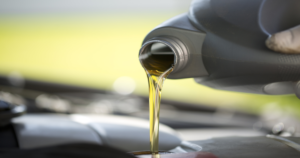 Then one day, I noticed strange engine noises and discovered the oil level had become dangerously low. Since then, checking oil became a habit.
This guide explains exactly how to check motor oil properly, avoid common mistakes, understand oil conditions, and maintain your vehicle with confidence.
Why Checking Motor Oil Matters
Motor oil performs several critical jobs:
- Lubricates moving engine parts
- Reduces friction
- Prevents overheating
- Removes contaminants
- Protects components from wear
- Improves engine lifespan
Without proper oil levels, engines suffer increased friction and heat. Even a relatively small oil shortage can accelerate wear significantly.
What Happens If You Never Check Oil?
Ignoring oil inspections can lead to:
- Engine overheating
- Increased wear
- Poor fuel economy
- Reduced performance
- Expensive engine damage
- Complete engine failure
Many drivers assume oil changes alone are enough. They are not. Oil consumption, leaks, and burning can occur between service intervals.
Tools You Need
Fortunately, checking oil requires very little. You typically need:
- Clean cloth or paper towel
- Gloves (optional)
- Good lighting
- Flat parking surface
That’s it.
Step-by-Step: How To Check Motor Oil
Step 1: Park On Level Ground
A level surface provides accurate readings.
Parking on slopes can produce incorrect measurements.
Turn off the engine.
Apply the parking brake.
Step 2: Allow Engine To Cool Slightly
Checking immediately after driving can cause inaccurate readings. Wait approximately:
- 5–15 minutes after driving
- Longer if the engine is extremely hot
This allows oil to drain back into the oil pan.
Step 3: Open Hood
Locate the hood release.
Lift the hood.
Secure using a support rod if necessary.
Step 4: Find The Dipstick
The dipstick usually has:
- Bright colored handle
- Yellow, orange, or red top
- Oil symbol
Pull it completely out.
Step 5: Wipe Dipstick Clean
Use a cloth or a towel.
Remove existing oil from the dipstick.
This first reading is usually inaccurate.
Step 6: Reinsert Dipstick Fully
Push the dipstick back completely.
Wait a few seconds.
Pull it out again.
Now inspect the oil level.
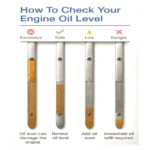
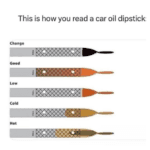
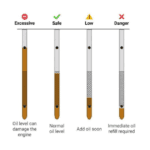
Step 7: Read Oil Level
Most dipsticks contain:
- MIN mark
- MAX mark
- Holes or lines indicating range
Oil should fall between the minimum and the maximum. Ideally closer to maximum.
Step 8: Inspect Oil Condition
Oil level matters.
Oil condition matters too.
Look for:
Good oil:
- Amber color
- Smooth texture
- Clean appearance
Potential problems:
- Thick sludge
- Milky appearance
- Metal particles
- Burnt smell
Oil Level Reading Guide
| Oil Reading | Meaning | Action Required |
| Above Maximum | Too much oil | Remove excess |
| Near Maximum | Ideal | No action |
| Mid Range | Acceptable | Monitor |
| Near Minimum | Add oil soon | Top up |
| Below Minimum | Dangerous | Add immediately |
Comparison Table: Healthy Oil vs Problem Oil
| Feature | Healthy Oil | Problem Oil |
| Color | Amber/Brown | Black, milky, grey |
| Texture | Smooth | Thick or gritty |
| Smell | Neutral | Burnt odor |
| Level Stability | Consistent | Drops frequently |
| Engine Behavior | Smooth | Noisy/Rough |
How Often Should You Check Motor Oil?
General recommendation:
- Older vehicles: weekly
- High mileage cars: every 1–2 weeks
- Newer cars: monthly
- Before long trips: always
Many drivers check during fuel stops. This creates an easy habit.
Signs Your Car May Be Low On Oil
Watch for:
- Oil warning light
- Ticking sounds
- Engine knocking
- Burning smell
- Rough acceleration
- Excessive exhaust smoke
Never ignore warning lights.
Can You Check Oil When Engine Is Hot?
Technically yes.
But accuracy suffers.
Best practice:
Warm engine + short cooling period.
This provides the most accurate reading.
Common Mistakes People Make
Checking On Uneven Ground
Produces incorrect results.
Reading Immediately After Driving
Oil hasn’t settled.
Forgetting To Wipe Dipstick
Creates false readings.
Overfilling Oil
Too much oil can be harmful.
Using the Wrong Oil Type
Wrong viscosity may affect performance.
Should Oil Color Alone Determine Oil Changes?
No.
Dark oil is not automatically bad.
Modern oils often darken quickly.
Consider:
- Mileage
- Manufacturer schedule
- Oil condition
- Engine performance
Personal Experience: What Changed My Mind About Oil Checks
I used to believe checking oil was outdated.
Modern cars have sensors.
Technology exists.
Why bother?
Then I discovered sensors often warn only after problems begin.
Now I spend two minutes checking the oil every few weeks.
That small habit feels far better than unexpected repair bills.
Understanding Oil Consumption
Some oil usage is normal. Factors include:
- Vehicle age
- Driving habits
- Turbocharged engines
- High RPM driving
- Engine wear
Frequent drops may indicate:
- Leaks
- Burning oil
- Internal wear
What To Do If Oil Is Low
If the level is low:
- Confirm reading
- Identify the correct oil type
- Add small amounts gradually
- Recheck frequently
- Avoid overfilling
Small additions work best.
Can Too Much Oil Damage an Engine?
Yes. Overfilled engines may experience:
- Foaming oil
- Increased pressure
- Seal damage
- Reduced lubrication
Always add gradually.
Understanding Oil Types
Conventional Oil
Pros:
- Lower cost
Cons:
- Shorter lifespan
Synthetic Blend
Pros:
- Better protection
Cons:
- Moderate cost
Full Synthetic
Pros:
- Longer intervals
- Better performance
- Superior protection
Cons:
- Higher price
Buyer’s Guide: Choosing Motor Oil
When buying motor oil, focus on these factors.
1. Viscosity Rating
Examples:
- 5W-30
- 0W-20
- 10W-40
Always follow the owner’s recommendations.
2. Manufacturer Specifications
Check:
- Owner manual
- Oil cap markings
3. Driving Conditions
- Heavy traffic?
- Hot climate?
- Frequent towing?
- Choose accordingly.
4. Synthetic Or Conventional?
Synthetic often provides:
- Better cold starts
- Longer intervals
- Greater protection
5. Budget Considerations
Cheapest oil isn’t always the cheapest long-term. Better protection may reduce repairs.
Seasonal Oil Checking Tips
Summer:
- Watch for higher consumption
Winter:
- Cold temperatures affect flow
Rainy Season:
- Inspect more frequently for contamination
Read More: How Long Rear Facing Car Seat
FAQs: How To Check Motor Oil
How long should I wait after driving before checking oil?
Usually 5–15 minutes.
Should the engine be running while checking oil?
No. The engine should be off.
Is dark oil automatically bad?
No. Dark oil alone doesn’t mean replacement.
How much oil should I add if low?
Add small amounts gradually. Recheck repeatedly.
Can I drive with low oil?
Short answer:
You should avoid it.
Low oil increases engine wear.
Why is my oil milky?
Possible causes include:
- Water contamination
- Coolant leaks
This deserves inspection.
Can I check the oil every fuel stop?
Absolutely.
Many experienced drivers do exactly that.
Do electric vehicles require motor oil?
Pure EVs generally do not.
Hybrid vehicles may.
Final Thoughts
- Checking motor oil is simple.
- It requires almost no tools.
- It takes only minutes.
- Yet this small habit may dramatically extend engine life and reduce expensive repairs.
- The best maintenance routines are rarely complicated.
- They’re simply consistent.
- And checking oil is one of the easiest habits any driver can build.