If you’ve ever plugged in an OBD2 scanner and seen a code related to “fuel rail pressure,” you might have wondered: What exactly is fuel rail pressure, and why does it matter so much?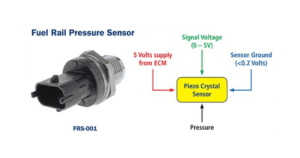 After working on and reviewing multiple fuel system repairs from daily commuter sedans to turbocharged performance cars, I can confidently say this: fuel rail pressure is one of the most critical factors in how your engine runs.
What Is Fuel Rail Pressure?
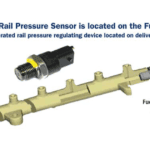
Fuel rail pressure refers to the pressure inside the fuel rail, the metal tube that distributes fuel to your engine’s fuel injectors.
In modern vehicles, especially those with electronic fuel injection (EFI) and direct injection, maintaining the correct fuel rail pressure is essential for:
- Smooth engine performance
- Proper air-fuel mixture
- Fuel efficiency
- Emissions control
- Preventing engine damage
If the pressure is too low? The engine runs lean. Too high? The engine runs rich. Either way, performance suffers.
Key Components That Control Fuel Rail Pressure
Fuel rail pressure doesn’t just happen randomly. It’s controlled by several components:
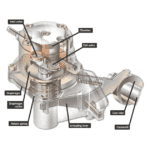
- Fuel Pump – Pushes fuel from the tank to the engine.
- Fuel Pressure Regulator – Controls how much pressure remains in the rail.
- Fuel Rail – Distributes fuel to injectors.
- Fuel Injectors – Spray fuel into the combustion chamber.
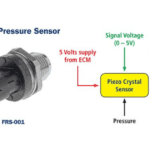
- Fuel Rail Pressure Sensor – Sends pressure data to the engine control module.
The car’s ECU constantly monitors and adjusts this pressure in real time.
How Fuel Rail Pressure Works (Simple Explanation)
Here’s how it flows in a typical USA gasoline vehicle:
- The fuel pump pulls gasoline from the tank.
- Fuel is pressurized.
- It travels through fuel lines into the fuel rail.
- Injectors spray precise amounts into each cylinder.
- The regulator maintains consistent pressure.
- The sensor tells the ECU what’s happening.
In older port-injected engines, pressure is usually 40–60 PSI. In modern direct injection engines, pressure can reach 500–3,000+ PSI. That’s a massive difference.
Fuel Rail Pressure Comparison Table
| Feature | Low-Pressure System (Port Injection) | High-Pressure System (Direct Injection) |
| Typical PSI | 40–60 PSI | 500–3,000+ PSI |
| Fuel Delivery | Into the intake port | Directly into the cylinder |
| Efficiency | Good | Excellent |
| Performance | Moderate | High |
| Repair Cost | Lower | Higher |
| Common in | Older & budget vehicles | Modern USA vehicles |
Signs of Bad Fuel Rail Pressure
Based on real-world diagnostics experience, here are the most common symptoms:
Low Fuel Rail Pressure Symptoms
- Hard starting
- Engine misfires
- Loss of power
- Stalling
- Lean codes (P0171)
- Rough idle
High Fuel Rail Pressure Symptoms
- Black smoke from the exhaust
- Poor fuel economy
- Strong fuel smell
- Rich codes (P0172)
- Engine hesitation
One of the most common OBD codes is P0087 – Fuel Rail/System Pressure Too Low.
What Causes Fuel Rail Pressure Problems?
Here are the main culprits in USA vehicles:
1. Failing Fuel Pump
Over time, electric fuel pumps weaken. This is extremely common after 100,000+ miles.
2. Clogged Fuel Filter
Some vehicles have serviceable filters. Others are built into the pump module.
3. Bad Fuel Pressure Regulator
If stuck open → low pressure
If stuck closed → high pressure
4. Faulty Fuel Rail Pressure Sensor
Sometimes pressure is fine, but the sensor lies to the ECU.
5. High-Pressure Pump Failure (Direct Injection Engines)
These are expensive and common in turbocharged engines.
My Personal Experience With Fuel Rail Pressure Issues
I once diagnosed a 2016 turbocharged sedan that randomly stalled on highways. No warning. Just shut off. The code? P0087.
At first, we suspected the fuel pump. Turned out the high-pressure fuel pump cam follower had worn down, causing inconsistent pressure.
Lesson learned? Always test the actual pressure with a gauge before replacing parts. Don’t just throw money at it.
Repair Cost Guide
| Repair | Average Cost (Parts + Labor) |
| Fuel Pressure Sensor | $150–$400 |
| Fuel Pressure Regulator | $200–$500 |
| Fuel Pump Replacement | $600–$1,400 |
| High-Pressure Fuel Pump | $1,000–$2,500 |
| Full Fuel System Diagnosis | $100–$200 |
Luxury brands cost more. Turbo engines cost more. Direct injection costs more.
Buyer’s Guide: Fuel Rail Pressure Components
If you’re replacing parts, here’s what to consider:
1. OEM vs Aftermarket
- OEM: More expensive, factory-spec reliability
- Aftermarket: Cheaper, but quality varies
For high-pressure pumps, I personally recommend OEM.
2. Check PSI Compatibility
Always match the exact PSI rating required by your vehicle. Incorrect pressure can cause engine damage.
3. Brand Reputation Matters
Cheap sensors fail quickly. Look for brands known for reliability.
4. Warranty
Look for:
- 1–3 year warranty minimum
- Lifetime warranty (rare but excellent)
5. Scan Tool Compatibility
Modern USA vehicles require recalibration after replacement. Make sure you or your mechanic has proper scan tools.
Direct Injection vs Port Injection: Why Pressure Matters More Today
Modern engines use high-pressure direct injection for:
- Better fuel economy
- Lower emissions
- More horsepower
- Turbo compatibility
But the downside? More expensive failures.
Can You Drive With Bad Fuel Rail Pressure?
Short answer: Technically, yes, but you shouldn’t. Driving with incorrect pressure can cause:
- Engine damage
- Catalytic converter damage
- Fuel dilution in oil
- Complete engine stall
It’s not worth the risk.
How To Test Fuel Rail Pressure
Basic Method:
- Connect the mechanical fuel pressure gauge
- Compare to the manufacturer specs
- Monitor live data with an OBD2 scanner
Professional mechanics often use advanced scan tools to compare commanded vs actual pressure.
Preventing Fuel Rail Pressure Problems
Here’s what actually works:
- Use Top Tier gasoline
- Avoid running the tank extremely low
- Replace the fuel filter if serviceable
- Keep injectors clean
- Don’t ignore the check engine light
Read More: How To Measure Engine Oil
FAQs: What Is Fuel Rail Pressure
What is normal fuel rail pressure?
Port injection: 40–60 PSI
Direct injection: 500–3,000+ PSI
What happens if fuel rail pressure is too low?
Engine runs lean → misfires, stalling, power loss.
What causes high fuel rail pressure?
Faulty regulator, stuck return line, or ECU issue.
Is fuel rail pressure expensive to fix?
It ranges from $150 to $2,500 depending on the part.
Can a bad battery affect fuel rail pressure?
Indirectly yes. Low voltage can reduce fuel pump performance.
How long do fuel pumps last?
Typically 100,000–150,000 miles in USA driving conditions.
Final Thoughts
Fuel rail pressure might sound technical, but it’s simply about making sure your engine gets the right amount of fuel at the right pressure.
Too little? You lose power.
Too much? You waste fuel.
Modern engines depend heavily on precise pressure control, especially with direct injection systems.
If you’re seeing fuel pressure codes, don’t ignore them. Diagnose properly. Replace quality parts. Protect your engine.