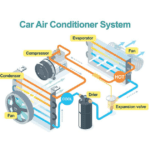
If your car’s air conditioning suddenly starts blowing warm air, cycles on and off randomly, or refuses to turn on at all, there’s a small but powerful component you shouldn’t ignore: the AC pressure switch.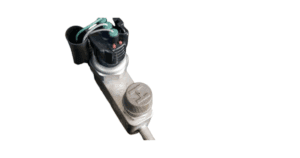 I didn’t think much about mine until one brutally hot afternoon when my AC compressor refused to engage. The refrigerant level was fine. The fuse wasn’t blown. The compressor clutch looked okay. After hours of confusion, the real culprit? A faulty pressure switch.
In this detailed guide, I’ll break down:
- The most common car AC pressure switch symptoms
- Real repair costs
- How to tell if it’s a low-pressure or high-pressure failure
- Whether you can drive safely
- DIY vs professional repair advice
Let’s dive in.
What Is a Car AC Pressure Switch?
The AC pressure switch monitors refrigerant pressure inside your vehicle’s air conditioning system. It protects expensive components like the compressor by shutting the system off if pressure gets too high or too low. Most vehicles have:
- A low-pressure switch
- A high-pressure switch
- Or a combined pressure sensor (in newer cars)
Without this switch, your compressor could seize, overheat, or explode due to a pressure imbalance.
8 Common Car AC Pressure Switch Symptoms
Here are the warning signs I experienced and what you should watch for.
1. AC Blows Warm Air
The most common symptom. If the pressure switch detects abnormal refrigerant levels, it disables the compressor. No compressor = no cold air.
2. AC Compressor Not Engaging
You turn the AC on… nothing happens. No click from the clutch. No RPM change. Silence. This usually means:
- The switch is faulty
- Refrigerant pressure is outside safe limits
3. AC Cycles On and Off Rapidly
This is called short cycling. The system turns on for a few seconds, then shuts off repeatedly. Often caused by:
- A failing pressure switch
- Incorrect refrigerant level
4. AC Only Works Intermittently
Some days it works. Some days it doesn’t. This inconsistency often signals an electrical failure inside the switch.
5. Check Engine Light
In modern vehicles, the AC pressure sensor connects to the ECU. A failing switch can trigger:
- Check Engine Light
- AC system fault codes
6. Compressor Runs Constantly
If the high-pressure switch fails, the compressor may not shut off. This is dangerous and can damage the entire AC system.
7. No Cold Air After Recharge
You add refrigerant, still no cooling. If the switch is stuck open, the compressor won’t activate even with proper pressure.
8. AC System Shuts Off In Hot Weather
High ambient temperatures increase system pressure. A faulty high-pressure switch may shut the system down prematurely.
Low vs High AC Pressure Switch Symptoms (Quick Comparison)
| Feature | Low-Pressure Switch Failure | High-Pressure Switch Failure |
| AC Compressor | Won’t turn on | May run continuously |
| Air Temperature | Warm air only | Cold initially, then stops |
| Risk Level | Low cooling | Risk of compressor damage |
| Common Cause | Refrigerant leak | Blocked condenser/overcharge |
| Repair Cost | $150 – $400 | $200 – $600 |
How Much Does It Cost to Replace an AC Pressure Switch?
Here’s a realistic cost breakdown:
- Part cost: $30 – $150
- Labor: $100 – $300
- Total average: $150 – $500
Luxury vehicles or complex systems can exceed $600. If refrigerant needs evacuation and recharge, add another $100–$250.
Can You Drive With a Bad AC Pressure Switch?
Technically, yes. But you risk:
- Compressor damage
- Reduced fuel efficiency
- Electrical system stress
- Overheating AC components
If the compressor runs nonstop due to a switch failure, that can become very expensive very quickly.
What Causes AC Pressure Switch Failure?
From my experience and mechanic feedback, common causes include:
- Age and wear
- Electrical corrosion
- Refrigerant leaks
- Overcharged system
- Dirty condenser
- Faulty wiring
How To Diagnose a Faulty AC Pressure Switch
Before replacing it, confirm the issue.
Step 1: Check Refrigerant Level
Low refrigerant mimics switch failure.
Step 2: Scan For Trouble Codes
Look for AC-related codes.
Step 3: Test Electrical Continuity
A multimeter can verify the switch function.
Step 4: Inspect Wiring Harness
Loose connectors are common.
DIY Replacement: Is It Worth It?
If the switch is located on the refrigerant line and accessible, it’s often straightforward. However:
- Some systems require refrigerant evacuation
- You must avoid releasing refrigerant illegally
If you’re unsure, let a professional handle it.
Buyer’s Guide: Choosing the Right AC Pressure Switch
When replacing, here’s what to consider:
1. OEM vs Aftermarket
OEM:
- Better reliability
- Exact fit
- More expensive
Aftermarket:
- Cheaper
- Quality varies
2. Compatibility
Check:
- Make
- Model
- Year
- Engine size
3. Single vs Dual Function Switch
Some vehicles use:
- Separate the low and high switches
- Combined pressure sensors
4. Warranty
Look for at least a 1-year warranty.
5. Reviews
Always check reliability feedback before buying aftermarket.
Real-World Example (My Experience)
- My AC started short-cycling.
- The mechanic initially suspected a refrigerant leak.
- But pressure readings were normal.
- We replaced the $85 pressure switch.
- Total repair cost: $320, including labor.
- AC worked perfectly afterward.
- Lesson learned: don’t assume compressor failure first.
How Long Does an AC Pressure Switch Last?
Typically:
- 5–10 years
- 80,000 – 150,000 miles
Harsh climates reduce lifespan.
Preventing AC Pressure Switch Problems
Here’s what helps:
- Annual AC inspection
- Keepthe condenser clean
- Avoid overcharging refrigerant
- Fix leaks immediately
- Run AC periodically, even in winter
Read More: Can You Drive Your Car With A Blown Head Gasket
FAQs: Car AC Pressure Switch Symptoms
What happens if the AC pressure switch fails?
The compressor may not engage or may run continuously, leading to cooling failure or damage.
Can a bad pressure switch cause warm air?
Yes, it disables the compressor, preventing cooling.
How do I know if it’s a refrigerant or a pressure switch?
Pressure gauge testing confirms refrigerant levels.
Will AC work without a pressure switch?
No,o it’s a safety component.
Can I bypass the AC pressure switch?
Not recommended. It risks serious compressor damage.
How long does replacement take?
Usually 1–2 hours.
Final Thoughts
A faulty AC pressure switch can mimic serious AC problems, but it’s often one of the cheaper fixes in the system.
If your compressor isn’t engaging or your AC is short-cycling, don’t panic. The switch might be the hidden culprit. Catching it early could save you from replacing a $1,200 compressor.