If you’ve ever lightly tapped a pole while parking or been rear-ended at a traffic light, you already know one painful truth: car bumpers aren’t cheap anymore. I learned that the hard way after a minor fender bender that looked like “just a scratch.”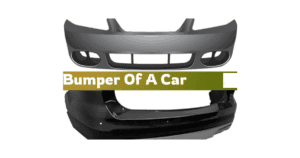 What I thought would be a quick $100 cosmetic fix turned into a multi-hundred-dollar lesson about modern bumper systems, sensors, paint matching, and labor costs.
So, how much do car bumpers cost? The short answer:
- $150 – $600 for the bumper part alone (aftermarket)
- $500 – $2,500+ for full replacement, including paint and labor
- Luxury vehicles? That can climb past $3,000
But the real cost depends on your vehicle type, sensors, material, and whether you go OEM or aftermarket. Let’s break it down clearly and practically.
What Is a Car Bumper (And Why Is It So Expensive Now)?
Modern car bumpers are more than just plastic covers. They include:
- Plastic bumper cover
- Energy absorber (foam or honeycomb)
- Reinforcement bar (steel or aluminum)
- Mounting brackets
- Sensors (parking, blind spot, adaptive cruise)
- Wiring harnesses
- Paint finishing
Older vehicles had simple metal bumpers. Today’s bumpers are part safety system, part technology hub. That’s why replacing one isn’t as simple as bolting on a new piece of plastic.
Average Car Bumper Replacement Cost?
Here’s a realistic comparison table to help you understand pricing:
| Vehicle Type | Aftermarket Bumper (Part Only) | OEM Bumper (Part Only) | Installed & Painted Total Cost |
| Small Sedan (Toyota Corolla, Civic) | $150 – $350 | $400 – $700 | $600 – $1,200 |
| Mid-Size SUV (RAV4, CR-V) | $250 – $500 | $600 – $1,200 | $900 – $1,800 |
| Pickup Truck (F-150, Silverado) | $300 – $700 | $800 – $1,500 | $1,000 – $2,200 |
| Luxury Car (BMW, Mercedes) | $500 – $1,200 | $1,200 – $2,500 | $1,800 – $3,500+ |
Important: If your bumper includes radar sensors or camera systems, recalibration alone can cost $150–$500.
Front vs Rear Bumper Cost
Front bumpers usually cost more because they often include:
- Radar sensors
- Adaptive cruise components
- Forward collision systems
- More complex mounting
Rear bumpers are typically slightly cheaper unless they include:
- Parking sensors
- Backup cameras
- Blind spot radar
OEM vs Aftermarket Bumpers (Which Should You Buy?)
| Feature | OEM Bumper | Aftermarket Bumper |
| Fitment | Perfect factory fit | May require minor adjustments |
| Quality | Manufacturer-grade | Varies by brand |
| Price | Higher | 30–50% cheaper |
| Warranty | Often included | Limited or none |
| Resale Impact | Better | Neutral to slight impact |
My Personal Take
If your car is newer than 5 years, I recommend OEM. If it’s older and you’re paying out-of-pocket, the aftermarket is usually fine.
What Affects Car Bumper Cost?
Several factors influence pricing:
1. Vehicle Make & Model
Luxury and European brands cost more due to imported parts and complex electronics.
2. Sensors & Technology
Modern bumpers may house:
- Parking sensors
- Radar systems
- Cameras
- Lane assist modules
Each of these increases the cost significantly.
3. Paint Matching
Custom colors, metallic finishes, and pearl coats cost more to match perfectly.
4. Labor Rates
Shops in large cities charge more than in smaller towns.
5. Damage Severity
Sometimes the reinforcement bar behind the bumper is damaged. That adds cost quickly.
Should You Repair or Replace the Bumper?
Not all damage requires replacement.
Repair Makes Sense If:
- Small dents
- Light cracks
- Surface scratches
- No structural damage
Repair cost: $150 – $600
Replace If:
- Large cracks
- Broken mounting tabs
- Sensor damage
- Structural bending
Replacement cost: $600 – $2,500+
Buyer’s Guide: How To Save Money On Bumper Replacement
Here’s what I wish someone told me before I paid my first repair bill.
1. Get Multiple Quotes
Always compare at least 3 body shops.
2. Ask About Aftermarket Options
You can often save 40% without sacrificing much quality.
3. Check Insurance Coverage
If someone else caused the damage, their liability insurance should cover it.
4. Consider Paintless Dent Repair (PDR)
If there’s no paint damage, this can save hundreds.
5. Ask If Sensors Need Recalibration
Sometimes they don’t know if they weren’t removed.
6. Look For Used OEM Parts
Salvage yards can be goldmines.
Real-Life Cost Example
After a minor rear-end tap, here’s what my repair looked like:
- Aftermarket rear bumper cover: $320
- Paint & labor: $480
- Parking sensor recalibration: $200
- Total: $1,000
It wasn’t catastrophic but definitely not “cheap plastic.”
Is It Safe To Drive With A Damaged Bumper?
Short-term? Usually yes, if:
- No loose parts
- No exposed wiring
- No sharp edges
But long-term, a damaged bumper reduces crash protection and can cause sensor malfunction. I don’t recommend ignoring it.
DIY Bumper Replacement: Worth It?
You can save labor costs if:
- You’re mechanically inclined
- The bumper is pre-painted
- No sensors involved
Tools typically required:
- Socket set
- Trim removal tools
- Torx bits
- Jack stands
But if your car has advanced safety systems? I’d let a professional handle it.
Read More: What Does A Gearbox Do In A Car
FAQs: How Much Do Car Bumpers Cost
How much does it cost to replace just the plastic bumper cover?
Usually $150 – $600 for the part. Installed and painted: $600 – $1,500.
Can a cracked bumper be repaired?
Yes, small cracks can be plastic-welded and refinished for $200 – $500.
Does insurance cover bumper damage?
If you have collision coverage, yes, minus your deductible.
Why are bumpers so expensive now?
They contain sensors, cameras, radar systems, and complex materials.
Is OEM better than aftermarket?
OEM guarantees a perfect fit and quality, but the aftermarket can be a cost-effective alternative.
How long does bumper replacement take?
1–3 days, including paint curing time.
Final Thoughts: What Should You Expect To Pay?
Here’s the honest answer:
- Budget cars: $600 – $1,200 total
- SUVs & trucks: $900 – $2,200 total
- Luxury vehicles: $1,800 – $3,500+
The days of $200 bumper replacements are long gone. Modern bumpers are safety systems wrapped in painted plastic. The cost reflects that reality.