Most drivers spend a lot of time worrying about fuel prices, tire pressure, and routine servicing, but many overlook one of the most important maintenance tasks of all: checking engine oil.
I used to assume that oil changes were enough. If the mechanic replaced the oil every few months, I figured everything was fine. However, after experiencing a low-oil warning light during a road trip, I realized how important it is to personally check engine oil levels between services.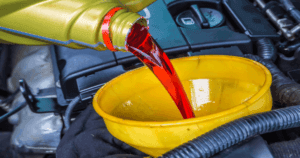 The good news is that checking your oil takes less than five minutes. It requires no advanced mechanical skills and can potentially save you thousands of dollars in engine repairs.
In this guide, I’ll explain exactly how to check your oil, what the oil level means, how often you should inspect it, common mistakes to avoid, and what I’ve learned from years of vehicle ownership.
Why Engine Oil Matters
Engine oil performs several critical functions:
- Lubricates moving engine parts
- Reduces friction
- Prevents overheating
- Cleans internal engine components
- Helps prevent corrosion
- Improves engine longevity
Without sufficient oil, engine components grind against each other, creating excessive heat and wear. In severe cases, the engine can seize completely.
Think of engine oil as the lifeblood of your vehicle. Without it, even the most expensive engine won’t last long.
What You’ll Need Before Checking Oil
One reason I recommend every vehicle owner learn this skill is that the equipment requirements are minimal. You’ll need:
- A clean paper towel or rag
- Good lighting
- A parked vehicle on level ground
- A few minutes of your time
That’s it.
No expensive tools.
No mechanic visit.
No special training.
Step-by-Step: How To Check Your Oil
Step 1: Park on Level Ground
Always park your vehicle on a flat surface. A sloped driveway can cause inaccurate oil readings because the oil settles unevenly inside the oil pan.
Step 2: Turn Off the Engine
- Shut off the engine and wait approximately 5 to 10 minutes.
- This allows oil circulating through the engine to drain back into the oil pan.
- Checking immediately after turning off the engine may produce inaccurate results.
Step 3: Open the Hood
- Locate the hood release lever inside the vehicle.
- Open the hood and secure it using the support rod if necessary.
- Take a moment to identify the engine oil dipstick.
Step 4: Locate the Dipstick
The dipstick usually has a brightly colored handle. Common colors include:
- Yellow
- Orange
- Red
Most modern vehicles clearly label the oil dipstick. If you’re unsure, consult your owner’s manual.
Step 5: Remove and Clean the Dipstick
- Pull the dipstick completely out.
- Use a clean cloth or paper towel to wipe all oil from the dipstick.
- This first reading is usually inaccurate because oil splashes around while driving.
Step 6: Reinsert the Dipstick
- Insert the dipstick fully back into its tube.
- Push it all the way down.
- Wait a few seconds.
Step 7: Pull It Out Again
Remove the dipstick a second time. Now examine the oil level carefully. You’ll see markings indicating:
- MIN
- LOW
- ADD
- MAX
- FULL
Depending on the manufacturer.
Step 8: Read the Oil Level
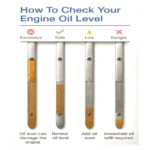
The oil should ideally sit between the minimum and maximum marks. Best condition:
✓ Near the full mark
Acceptable:
✓ Between minimum and maximum
Needs attention:
⚠ At or below minimum
If oil falls below the minimum mark, add oil immediately.
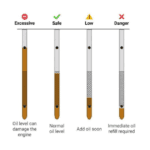
Understanding Oil Dipstick Readings
Full Mark
- The oil level reaches the upper indicator.
- This is ideal.
- No action needed.
Mid-Range
- Oil sits halfway between minimum and maximum.
- This is generally safe.
- Continue monitoring regularly.
Low Mark
- Oil touches the minimum indicator.
- Top off the oil soon.
- Driving long distances at this level isn’t recommended.
Below Minimum
- Immediate action required.
- Add the correct oil before extensive driving.
- Running low can cause serious engine damage.
Oil Condition Matters Too
- Checking oil isn’t only about quantity.
- You should also evaluate quality.
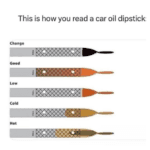
Healthy Oil
Good oil typically appears:
- Amber
- Golden brown
- Light brown
This indicates a normal condition.
Dirty Oil
- Dark brown or black oil isn’t always bad.
- Modern oils naturally darken as they collect contaminants.
- However, extremely thick, gritty, or sludgy oil may indicate it’s time for an oil change.
Milky Oil
Milky or creamy oil can signal:
- Coolant contamination
- Head gasket failure
- Serious engine issues
Professional inspection is recommended immediately.
Comparison Table: Healthy Oil vs Problem Oil
| Condition | Appearance | What It Means | Action Needed |
| Fresh Oil | Amber or golden | Excellent condition | No action |
| Normal Used Oil | Dark brown | Typical wear | Continue monitoring |
| Very Dirty Oil | Black and thick | An oil change may be needed | Schedule service |
| Milky Oil | Cream-colored | Possible coolant leak | Immediate inspection |
| Metallic Oil | Sparkling particles | Internal engine wear | Professional diagnosis |
My Personal Experience Checking Oil
- When I first started checking my oil regularly, I honestly expected it to be unnecessary.
- I assumed modern cars would simply tell me when something was wrong.
- What surprised me was how often oil levels gradually dropped between scheduled services.
- On one vehicle, I discovered it consumed nearly a quart of oil every 3,000 miles.
- Without manual inspections, I would never have noticed until the low-oil warning light appeared.
- Since then, checking oil has become part of my monthly maintenance routine.
- The process takes less time than filling the gas tank and gives valuable insight into engine health.
How Often Should You Check Oil?
Vehicle experts commonly recommend:
Older Vehicles
Check every 500–1,000 miles. Older engines often burn oil faster.
High-Mileage Vehicles
Check every two weeks. Mileage wear increases oil consumption.
Newer Vehicles
Check monthly. Modern engines are more efficient but still benefit from regular monitoring.
Before Road Trips
Always inspect oil before:
- Vacations
- Long-distance drives
- Heavy towing
- Summer travel
A five-minute inspection can prevent major problems hundreds of miles from home.
Common Oil Checking Mistakes
Checking Immediately After Driving
Oil hasn’t settled yet.
Result:
Inaccurate reading.
Not Wiping the Dipstick
The first reading is unreliable. Always wipe before checking.
Overfilling Oil
Many people think more oil is better.
It isn’t.
Excess oil can:
- Increase pressure
- Cause foaming
- Damage seals
- Harm catalytic converters
Using the Wrong Oil
Always follow manufacturer recommendations. Viscosity ratings matter. Examples include:
- 0W-20
- 5W-20
- 5W-30
- 10W-30
Comparison Table: Manual Oil Checks vs Dashboard Warning Lights
| Feature | Manual Oil Check | Dashboard Warning Light |
| Detects Low Oil Early | Yes | Usually No |
| Shows Oil Condition | Yes | No |
| Takes Time | Few Minutes | Automatic |
| Prevents Damage Earlier | Yes | Sometimes |
| Cost | Free | Free |
| Accuracy | Very High | Depends on Sensors |
Manual checks remain the most reliable preventive maintenance method.
Signs Your Vehicle May Be Low on Oil
Watch for:
- Oil warning light
- Engine knocking sounds
- Burning oil smell
- Excessive exhaust smoke
- Reduced fuel efficiency
- Overheating
- Rough engine performance
Never ignore these warning signs.
Can You Check Oil While the Engine Is Hot?
Technically yes.
However, waiting several minutes is recommended.
This provides:
- More accurate readings
- Improved safety
- Better visibility on the dipstick
I usually wait around 10 minutes after parking.
What If Your Vehicle Has No Dipstick?
Some modern vehicles use electronic oil monitoring systems. In these vehicles:
- Turn on the ignition.
- Access the vehicle information menu.
- Navigate to the oil level display.
- Review digital reading.
Always verify procedures in the owner’s manual.
Buyer’s Guide: Choosing the Right Engine Oil
Selecting the proper oil is just as important as checking it.
Follow Manufacturer Specifications
Always start with your owner’s manual. Manufacturers design engines around specific oil types.
Understand Viscosity Ratings
Examples include:
0W-20
- Excellent cold-weather performance
- Common in modern vehicles
5W-30
- Balanced protection
- Popular worldwide
10W-30
- Suitable for warmer climates
- Common in older engines
Conventional Oil
Advantages:
- Lower cost
- Widely available
Best for:
- Older vehicles
- Light-duty driving
Synthetic Blend
Advantages:
- Better protection
- Improved temperature resistance
Best for:
- Mixed driving conditions
Full Synthetic Oil
Advantages:
- Maximum protection
- Longer service intervals
- Better cold starts
- Improved engine cleanliness
Best for:
- Modern engines
- High-performance vehicles
- Extreme climates
High-Mileage Oil
Designed for:
- Vehicles over 75,000 miles
Benefits:
- Reduced leaks
- Seal protection
- Lower oil consumption
Oil Maintenance Tips for Longer Engine Life
I follow several simple habits:
Check Monthly
Consistency catches problems early.
Keep Extra Oil
Carry a spare quart in the trunk.
Watch for Leaks
Inspect parking spots regularly.
Change Oil on Schedule
Follow manufacturer intervals.
Replace Oil Filters
A fresh filter supports cleaner oil.
Record Oil Usage
Tracking consumption helps identify developing issues.
Is Checking Oil Really Necessary Today?
Many drivers rely solely on warning lights. In my experience, that’s risky. Warning lights often appear after the problem has already become serious. A manual oil check provides:
- Earlier detection
- Better engine protection
- Lower maintenance costs
- Increased peace of mind
Five minutes per month can potentially add years to engine life.
Read More: What Is An O2 Sensor In A Car
FAQs: How To Check My Oil
How often should I check my oil?
Most drivers should check monthly. Older or high-mileage vehicles may require more frequent inspections.
Can I check the oil when the engine is running?
No. Always turn off the engine before checking oil.
What color should engine oil be?
Fresh oil is typically amber or golden. Used oil becomes darker over time.
Is dark oil always bad?
No. Darkening is normal as oil collects contaminants.
What happens if oil is low?
Low oil increases engine wear, overheating risk, and potential engine failure.
Can too much oil damage an engine?
Yes. Overfilling can create excessive pressure and mechanical issues.
Why does my car lose oil between changes?
Possible causes include:
- Normal consumption
- Leaks
- Worn piston rings
- Valve seal wear
Should I add oil if it’s halfway on the dipstick?
Not necessarily. Anything between minimum and maximum is generally acceptable.
Can I mix different brands of oil?
Usually yes, provided viscosity ratings and specifications match.
Does synthetic oil require checking?
Absolutely. All engine oils should be checked regularly regardless of type.
What should I do if the oil looks milky?
Seek professional inspection immediately, as coolant contamination may be present.
Is checking oil difficult?
Not at all. Most people can learn the process in less than five minutes.
Final Thoughts
Learning how to check your oil is one of the simplest and most valuable vehicle maintenance skills you can develop. It requires almost no tools, costs nothing, and helps prevent some of the most expensive engine problems drivers face.
After years of checking oil across multiple vehicles, I’ve found that regular inspections provide reassurance and early warning signs that dashboard sensors sometimes miss.
Whether you drive a brand-new car, a family SUV, or an older high-mileage vehicle, spending a few minutes checking your oil each month is a habit well worth developing. A healthy engine starts with healthy oil.