If you’ve ever heard a mechanic mention worn bushings during a vehicle inspection, you may have wondered: how many bushings does a car actually have?
The answer might surprise you. Most modern vehicles contain between 20 and 150 bushings, depending on the make, model, suspension design, drivetrain layout, and overall vehicle size.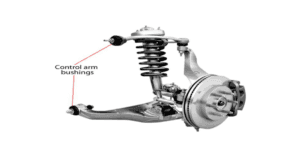 Bushings are small but essential components that help reduce vibration, absorb road shock, and prevent metal-to-metal contact between moving parts.
Although they rarely receive the same attention as brakes, tires, or shocks, bushings play a major role in ride comfort, handling, and vehicle longevity. After owning several vehicles over the years, I’ve learned that worn bushings can completely change how a car feels.
A vehicle that once handled smoothly can suddenly develop clunks, vibrations, steering looseness, and uneven tire wear simply because a few rubber bushings have deteriorated.
In this comprehensive guide, we’ll explore how many bushings a typical car has, where they’re located, signs of failure, replacement costs, and how to choose the best bushings when it’s time for repairs.
Quick Answer: How Many Bushings Does a Car Have?
Most passenger vehicles contain approximately:
| Vehicle Type | Estimated Number of Bushings |
| Compact Cars | 20–50 |
| Sedans | 30–80 |
| SUVs | 50–120 |
| Pickup Trucks | 60–150 |
| Luxury Vehicles | 80–150+ |
The exact number varies because bushings are found throughout the:
- Suspension system
- Steering system
- Engine mounts
- Transmission mounts
- Sway bars
- Subframes
- Differential mounts
A modern SUV can easily contain over 100 individual bushings.
What Are Car Bushings?
Bushings are cushioning components typically made from:
- Rubber
- Polyurethane
- Synthetic elastomers
- Hydraulic-filled compounds
They sit between metal components and serve several purposes:
Reduce Vibrations
Bushings absorb engine vibrations and road impacts before they reach the cabin.
Prevent Metal Contact
Without bushings, metal components would grind directly against each other.
Improve Ride Comfort
They soften harsh impacts from potholes and rough roads.
Enhance Handling
Bushings help maintain proper suspension geometry.
Reduce Noise
They isolate unwanted sounds from suspension movement.
Common Locations of Bushings in a Vehicle
Many drivers are surprised by how many different types of bushings exist.
Suspension Bushings
The suspension system contains the majority of a vehicle’s bushings. Common locations include:
- Control arms
- Trailing arms
- Wishbones
- Strut mounts
- Leaf spring mounts
A typical suspension may contain 10–40 bushings alone.
Control Arm Bushings
Control arm bushings are among the most frequently replaced. Functions:
- Allow suspension movement
- Maintain wheel alignment
- Reduce vibration transfer
Most vehicles have:
- Two front lower control arm bushings per side
- Additional upper control arm bushings on some models
Total: 4–8 bushings.
Sway Bar Bushings
Sway bars reduce body roll while cornering. Typical setup includes:
- Two sway bar mounting bushings
- Two to four end-link bushings
Total: 4–6 bushings.
Engine Mount Bushings
Engine mounts contain bushings that isolate engine vibration. Most vehicles use:
- Three to five engine mounts
Each mount contains a bushing or hydraulic insert.
Transmission Mount Bushings
These help secure the transmission while absorbing movement. Most vehicles have:
- One to three transmission mounts
Subframe Bushings
Many modern vehicles use subframes mounted with large bushings. Benefits include:
- Reduced cabin vibration
- Improved ride quality
- Better noise isolation
Typically:
- Four to six subframe bushings
Differential Bushings
Rear-wheel-drive and AWD vehicles often include:
- Differential carrier bushings
- Differential mount bushings
Total:
- Two to six bushings
Why Cars Need So Many Bushings
A common question is why manufacturers use so many bushings. The answer is simple:
Modern vehicles prioritize:
- Comfort
- Safety
- Noise reduction
- Handling performance
Every moving component creates vibration. Bushings act as miniature shock absorbers between components. Without them, vehicles would feel harsh, noisy, and uncomfortable.
Signs Your Bushings Are Worn Out
Bushings wear gradually, making problems difficult to notice initially. Common symptoms include:
Clunking Noises
A worn bushing allows excessive movement. This often creates:
- Knocking
- Clunking
- Thumping sounds
Especially over bumps.
Loose Steering
Damaged control arm bushings can cause:
- Wandering
- Steering play
- Reduced responsiveness
Excessive Vibration
Bad bushings often transmit:
- Engine vibration
- Road vibration
- Suspension impacts
Directly into the cabin.
Uneven Tire Wear
Worn bushings affect alignment angles. Results include:
- Feathering
- Edge wear
- Premature tire replacement
Poor Handling
Drivers may notice:
- Increased body roll
- Reduced cornering stability
- Vehicle drifting
How Long Do Car Bushings Last?
Typical lifespan varies based on:
- Road conditions
- Climate
- Driving habits
- Bushing material
Average lifespan:
| Bushing Type | Typical Lifespan |
| Rubber Bushings | 50,000–100,000 miles |
| Polyurethane Bushings | 80,000–150,000 miles |
| Hydraulic Bushings | 60,000–120,000 miles |
Vehicles driven on rough roads often experience faster deterioration.
Rubber vs Polyurethane Bushings
When replacement time comes, many owners compare rubber and polyurethane options.
| Feature | Rubber Bushings | Polyurethane Bushings |
| Ride Comfort | Excellent | Moderate |
| Noise Isolation | Excellent | Good |
| Durability | Good | Excellent |
| Performance | Standard | Improved |
| Cost | Lower | Higher |
| Maintenance | Minimal | Occasional Lubrication |
For daily drivers, rubber remains the most comfortable choice. Performance enthusiasts often prefer polyurethane.
What Causes Bushings to Fail?
Several factors contribute to bushing deterioration.
Age
Rubber naturally degrades over time.
Even low-mileage vehicles experience aging.
Heat
Engine heat accelerates rubber breakdown.
Road Salt
Winter road treatments can damage rubber compounds.
Oil Contamination
Engine oil and transmission fluid can soften rubber.
Rough Roads
Frequent pothole impacts shorten lifespan dramatically.
Cost to Replace Car Bushings
Replacement costs vary significantly. Typical ranges:
| Repair Type | Average Cost |
| Sway Bar Bushings | $100–$300 |
| Control Arm Bushings | $200–$800 |
| Subframe Bushings | $500–$2,000 |
| Engine Mount Bushings | $300–$1,500 |
| Differential Bushings | $250–$1,200 |
Labor often accounts for most of the expense.
Can You Drive with Bad Bushings?
In some cases, yes. However, driving with severely worn bushings can lead to:
- Poor handling
- Tire wear
- Suspension damage
- Alignment issues
- Safety concerns
Prompt repairs are generally recommended.
Buyer’s Guide: Choosing Replacement Bushings
Selecting the right bushings requires considering several factors.
Vehicle Usage
Daily commuters benefit from:
- OEM-style rubber bushings
Performance vehicles may benefit from:
- Polyurethane upgrades
Ride Quality Expectations
For maximum comfort:
- Rubber bushings remain best
For sharper handling:
- Polyurethane is preferred
Budget
OEM rubber bushings are generally more affordable. Performance bushings cost more but often last longer.
Climate
Extreme temperatures can affect rubber longevity. Polyurethane may offer better durability in harsh environments.
Professional Installation
Many bushings require:
- Hydraulic presses
- Specialized tools
- Suspension alignment
Professional installation often saves time and frustration.
My Personal Experience with Worn Bushings
One of the most noticeable suspension repairs I’ve experienced involved replacing front control arm bushings on an aging sedan. Before replacement:
- Steering felt vague
- Front suspension clunked
- The tires wore unevenly
After installing new bushings:
- Steering became precise
- Ride quality improved
- Noise disappeared
The transformation felt similar to replacing worn shocks. That experience highlighted just how important these small components are.
Maintenance Tips to Extend Bushing Life
To maximize lifespan:
- Avoid potholes whenever possible.
- Repair fluid leaks quickly.
- Wash undercarriages in winter climates.
- Perform regular suspension inspections.
- Maintain proper wheel alignment.
- Replace worn shocks and struts promptly.
- Inspect bushings during tire rotations.
Read More: How Do You Check The Oil Level In Your Car
FAQs: How Many Bushings Does A Car Have
How many suspension bushings does a car have?
Most vehicles contain between 10 and 40 suspension bushings depending on design and suspension complexity.
How many control arm bushings are on a car?
Most cars have between four and eight control arm bushings.
Are bushings expensive to replace?
Costs range from about $100 to over $2,000 depending on location and labor requirements.
Can bad bushings affect alignment?
Yes. Worn bushings can alter suspension geometry and cause alignment issues.
How often should bushings be inspected?
Bushings should be inspected during routine suspension checks or every 12,000–15,000 miles.
Do all cars have bushings?
Yes. Every modern vehicle uses bushings in various systems to reduce vibration and allow controlled movement.
Are polyurethane bushings worth it?
For performance applications, yes. For daily driving, rubber bushings usually provide superior comfort.
What happens if bushings completely fail?
Complete failure can lead to severe handling problems, excessive tire wear, suspension damage, and potential safety concerns.
Can bushings be replaced individually?
In many cases, yes, though some manufacturers recommend replacing entire suspension components.
How can I tell if my bushings are worn?
Look for cracks, separation, excessive movement, clunking noises, steering looseness, and uneven tire wear.
Final Verdict
So, how many bushings does a car have? Most vehicles contain anywhere from 20 to over 150 bushings, with suspension components accounting for the majority. These small parts play a massive role in comfort, handling, noise reduction, and overall vehicle performance.
While bushings are often overlooked, they are among the most important wear items in a vehicle. Keeping them in good condition can dramatically improve ride quality, steering precision, and long-term reliability.
If your car has developed clunks, vibrations, loose steering, or uneven tire wear, worn bushings may be the hidden culprit worth investigating.