Checking your car’s oil dipstick is one of the easiest yet most important maintenance tasks you can do. Engine oil is the lifeblood of your vehicle; it lubricates moving parts, reduces friction, and keeps the engine running smoothly.
When the oil level is too low or the oil becomes dirty, your engine can suffer serious damage. The good news? Learning how to check an oil dipstick takes less than five minutes and requires no special tools.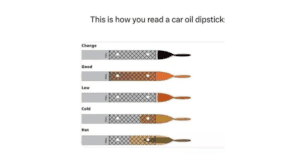 Whether you drive a brand-new sedan or an older vehicle, regularly checking your oil helps prevent expensive repairs and keeps your car running efficiently.
In this guide, I’ll walk you through the exact steps to check your oil dipstick, share some personal tips from years of car maintenance, and explain what the oil level and color actually mean.
By the end, you’ll feel confident opening the hood and performing this quick but essential check.
What Is an Oil Dipstick?
An oil dipstick is a long, thin metal rod located inside your car’s engine. It sits inside a tube connected to the oil pan and is designed to measure the engine’s oil level.
Most dipsticks have:
- A colored handle (often yellow or orange)
- Two marks or holes indicating minimum and maximum oil levels
- A long metal strip that collects oil when inserted into the engine
When you pull it out, the oil left on the stick tells you how much oil is in the engine and sometimes its condition.
Why Checking Your Oil Dipstick Is Important
Many drivers ignore oil checks until the dashboard warning light appears. Unfortunately, that warning often means the oil level is already dangerously low.
Regular dipstick checks help you:
- Prevent engine wear and overheating
- Detect oil leaks early
- Ensure proper engine lubrication
- Maintain fuel efficiency
- Extend the life of your engine
Think of it like checking your phone battery, simple but critical.
Quick Comparison: Dipstick Oil Check vs Dashboard Oil Warning
| Feature | Oil Dipstick Check | Dashboard Oil Warning Light |
| Accuracy | Very accurate | Only alerts when a problem occurs |
| Timing | Preventative | Reactive |
| Cost | Free | May lead to expensive repairs |
| Information | Shows the level and oil condition | Only signals low pressure |
| Best Use | Routine maintenance | Emergency warning |
Verdict: Always rely on the dipstick for regular checks rather than waiting for a warning light.
Step-by-Step: How to Check Oil Dipstick
Checking your oil is simple and only takes a few minutes.
Step 1: Park on a Level Surface
Make sure your car is parked on flat ground. If the vehicle is tilted, the oil reading may be inaccurate.
Step 2: Turn Off the Engine
Turn off the engine and wait about 5–10 minutes. This allows the oil to settle back into the oil pan.
Step 3: Open the Hood
Locate the hood release lever inside your car and open the hood. Secure it using the hood prop rod if necessary.
Step 4: Find the Oil Dipstick
Look for a handle labeled “Engine Oil” or a brightly colored ring (usually yellow or orange). This is the dipstick.
Step 5: Pull Out the Dipstick
Slowly pull the dipstick out of the tube. You’ll likely see oil smeared across it, normal.
Step 6: Wipe It Clean
Use a clean cloth or paper towel to wipe the dipstick completely clean.
Step 7: Reinsert the Dipstick
Push the dipstick fully back into the tube. This ensures an accurate measurement.
Step 8: Pull It Out Again and Check the Level
Remove the dipstick again and look at the oil line. You’ll see two markings:
- MIN – Minimum safe oil level
- MAX – Maximum oil level
If the oil is between these marks, your oil level is safe.
Understanding the Oil Level on the Dipstick
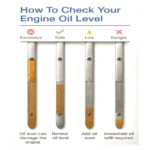
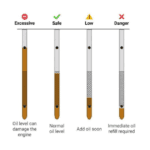
Here’s how to interpret the reading:
Oil Near MAX
- Perfect level
- No action required
Oil Between MIN and MAX
- Safe but slightly lower
- Monitor over time
Oil Near MIN
- Add oil soon
Oil Below MIN
- Add oil immediately to prevent engine damage
Checking Oil Color and Condition
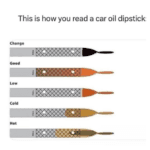
The dipstick also shows the quality of the oil.
Healthy Oil
- Amber or light brown
- Smooth texture
- Transparent
Dirty Oil
- Dark brown or black
- Thick or gritty
Contaminated Oil
- Milky color (possible coolant leak)
- Strong burnt smell
If oil looks contaminated, schedule an oil change immediately.
Personal Experience: Why I Always Check My Dipstick
A few years ago, I nearly ignored a small oil leak in my car. The dashboard light hadn’t turned on yet, so I assumed everything was fine. Out of habit, I checked the dipstick before a long road trip and noticed the oil level was dangerously low.
A quick oil top-up and gasket repair saved my engine from serious damage. Since then, have checked the dipstick once every two weeks. It’s a small habit that can save thousands in repairs.
How Often Should You Check Your Oil Dipstick?
Experts recommend checking your oil:
- Once a month
- Before long road trips
- After an oil change
- If you notice engine noises
Older cars may require checks every 1–2 weeks.
Common Mistakes When Checking Oil
Even experienced drivers make mistakes when checking oil levels.
Checking Immediately After Turning Off the Engine
Hot oil hasn’t settled yet and may give an inaccurate reading.
Not Wiping the Dipstick
Skipping the wipe step makes the reading unreliable.
Checking on Uneven Ground
Tilted vehicles give incorrect measurements.
Confusing Transmission Dipstick
Some cars have two dipsticks: engine oil and transmission fluid. Always confirm you’re using the engine oil dipstick.
Buyer’s Guide: Choosing the Right Engine Oil
If your dipstick shows low oil, you’ll need to add the correct oil type. Here’s what to consider.
1. Oil Viscosity
Viscosity refers to oil thickness. Common types include:
- 5W-30
- 10W-30
- 0W-20
Always follow your vehicle manufacturer’s recommendation.
2. Synthetic vs Conventional Oil
| Oil Type | Pros | Cons |
| Synthetic Oil | Better performance, longer life | Higher cost |
| Conventional Oil | Affordable | Shorter lifespan |
| Synthetic Blend | Balanced performance | Mid-range cost |
Most modern vehicles perform best with full synthetic oil.
3. API Certification
Look for oil labeled with API certification to ensure quality standards.
4. Climate Considerations
Hot climates require oil that resists thinning, while cold climates need oil that flows easily during cold starts.
Signs Your Engine Oil Is Low
Your car may show symptoms when oil levels drop. Watch for:
- Engine warning light
- Ticking or knocking noises
- Burning oil smell
- Reduced fuel efficiency
- Overheating engine
If you notice these signs, check the dipstick immediately.
Can You Drive With Low Oil?
Driving with low oil is extremely risky. Low oil can cause:
- Severe engine friction
- Overheating
- Internal engine damage
- Complete engine failure
If the dipstick shows oil below the minimum level, add oil before driving.
How to Add Oil After Checking the Dipstick
Adding oil is just as simple as checking it.
Steps
- Locate the oil filler cap
- Remove the cap
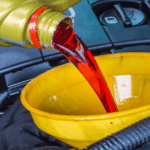
- Use a funnel
- Add small amounts of oil
- Recheck the dipstick
Never overfill the engine. Too much oil can cause pressure issues and leaks.
Modern Cars Without Dipsticks
Some newer vehicles no longer include a dipstick. Instead, they use electronic oil level sensors. You can check oil levels through the car’s dashboard display or infotainment system.
However, many drivers still prefer the reliability of a traditional dipstick.
Dipstick Maintenance Tips
To keep your dipstick accurate:
- Always wipe it before checking
- Keep the tube clean
- Replace damaged dipsticks
- Check during regular maintenance
Read More: How To Adjust Rear View Mirror
FAQs: How Check Oil Dipstick
How often should I check my oil dipstick?
Most experts recommend checking it once a month or before long drives.
Should the engine be hot or cold when checking oil?
It’s best to check oil when the engine is warm but turned off for 5–10 minutes.
What happens if I overfill the engine oil?
Overfilling can cause engine pressure issues, leaks, and reduced performance.
Can dirty oil damage the engine?
Yes. Dirty oil loses lubrication ability and can cause increased engine wear.
Why is my oil level dropping quickly?
Possible causes include:
- Oil leaks
- Burning oil
- Worn engine components
A mechanic should inspect the vehicle.
What color should engine oil be?
Healthy oil is amber or light brown. Dark black oil usually means it’s time for an oil change.
Final Thoughts
Learning how to check an oil dipstick is one of the simplest skills every car owner should have. It takes only a few minutes, requires no tools, and can prevent serious engine damage.
By checking your oil regularly, understanding the dipstick markings, and maintaining proper oil levels, you’ll help your engine run smoothly for years to come.
Think of it as a quick health check for your car: simple, fast, and incredibly valuable.