Adjusting your rear-view mirror sounds simple until you realize most drivers are doing it wrong. I used to be one of them. For years, I adjusted my mirror while sitting casually in the driveway, only to discover later that I had blind spots, glare issues at night, and a weird head tilt habit while driving.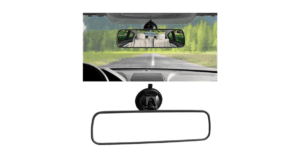 It wasn’t until I started digging deeper into safe driving practices, including recommendations aligned with guidelines from the National Highway Traffic Safety Administration, that I understood how critical proper mirror positioning really is.
If you’ve ever:
- Squinted to see headlights behind you
- Felt unsure when changing lanes
- Had to move your head dramatically to check traffic
- Been blinded by high beams at night
Then this guide is for you. Today, I’ll walk you through:
- How to adjust your rear-view mirror step-by-step
- Differences between manual and auto-dimming mirrors
- Common mistakes drivers make
- A comparison table of mirror types
- A detailed buyer’s guide
- Frequently asked questions
Let’s get started.
Why Proper Rear View Mirror Adjustment Matters
Your rear-view mirror is not just for reversing. It plays a major role in:
- Monitoring traffic flow
- Preventing rear-end collisions
- Reducing blind spots
- Managing glare at night
- Improving overall driving awareness
A properly adjusted mirror reduces the need for excessive head movement and helps you keep your eyes closer to the road ahead, where they belong.
Step-by-Step: How To Adjust the Rear View Mirror Correctly
Here’s the method I now use every time I get into a different car:
Step 1: Adjust Your Seat First
Before touching the mirror:
- Sit upright
- Adjust your seat to reach the pedals comfortably
- Ensure your back rests firmly against the seat
- Position your steering wheel properly
Important: Never adjust mirrors before setting your driving position.
Step 2: Align the Mirror With Your Rear Window
The correct positioning is simple:
- You should see the entire rear window.
- The horizon line should appear centered.
- You should not need to tilt your head.
If you have to move your body to see clearly, it’s not adjusted correctly.
Step 3: Minimize Head Movement
When seated normally:
- You should glance up and see the full rear window.
- You should not see the car’s ceiling.
- You should not see excessive back seats.
Step 4: Test While Driving
During your first few minutes on the road:
- Check traffic behind you.
- Notice blind spots.
- Make minor adjustments only if necessary.
Never make major adjustments while driving at speed.
Common Rear View Mirror Mistakes?
I’ve personally made most of these.
❌ Adjusting while slouching
You’ll get the wrong angle once you sit upright.
❌ Tilting too high
You lose lower-lane visibility.
❌ Using it to see passengers
It’s not a passenger mirror; safety comes first.
❌ Forgetting night mode
Manual mirrors have a small lever underneath for glare reduction.
Manual vs Auto-Dimming Rear View Mirrors
Not all mirrors are equal. Some cars have basic manual mirrors, while newer models include auto-dimming technology. Here’s a clear comparison:
| Feature | Manual Rear View Mirror | Auto-Dimming Rear View Mirror |
| Glare Reduction | Flip lever required | Automatic adjustment |
| Night Driving Comfort | Moderate | Excellent |
| Cost | Low | Higher |
| Maintenance | Minimal | Electronic components |
| Best For | Budget vehicles | Modern or highway driving |
If you drive frequently at night, auto-dimming mirrors are a game-changer.
Personal Experience: What Changed When I Adjusted Mine Correctly
Once I corrected my mirror positioning:
- My lane changes became smoother.
- I felt less anxious in heavy traffic.
- Night glarewas reduced significantly.
- I stopped constantly shifting in my seat.
It sounds minor, but the difference is huge.
How Rear View Mirror Adjustment Connects to Blind Spot Safety
Your rear-view mirror works together with the side mirrors. When all mirrors are properly adjusted:
- Rear view mirror coversthe straight-back view.
- Side mirrors cover adjacent lanes.
- Blind spots shrink significantly.
While blind spot monitoring systems exist in modern vehicles, popularized in safety-forward brands like Volvo Car,s manual mirror adjustment still plays a crucial role. Technology assists. It doesn’t replace awareness.
Buyer’s Guide: Choosing the Right Rear View Mirror
If you’re upgrading or replacing your mirror, here’s what to consider:
1. Manual vs Auto-Dimming
If you drive often at night → choose auto-dimming.
If daytime city driving only → manual is fine.
2. Built-in Features
Modern mirrors may include:
- Backup camera display
- Garage door openers
- Compass
- Temperature display
- Dash cam integration
3. Size & Visibility
Wider mirrors offer:
- Better rear coverage
- Fewer blind spots
- Enhanced highway awareness
But avoid overly large mirrors that obstruct windshield visibility.
4. Compatibility
Make sure:
- It fits your vehicle mount.
- Wiring supports electronic features.
- Installation is simple or professionally manageable.
5. Budget Range
| Mirror Type | Average Price Range |
| Basic Manual | $10 – $40 |
| Wide Angle Clip-On | $20 – $60 |
| Auto-Dimming | $100 – $300 |
| Smart Mirror w/ Camera | $150 – $500 |
Invest based on your driving needs.
Advanced Tips for Maximum Rear Visibility
Here are some lesser-known strategies:
✔ Adjust mirrors slightly outward
This reduces overlap between rear and side mirrors.
✔ Clean regularly
Dust and fingerprints reduce clarity.
✔ Re-adjust after other drivers
If someone else drives your car, check the mirror settings before moving.
✔ Use the anti-glare setting at night
Manual mirrors have a lever underneath.
The Psychology of Mirror Awareness
Driving confidence increases when visibility improves. When you:
- Know what’s behind you
- Understand traffic patterns
- Anticipate lane changes
You drive more smoothly and make fewer abrupt decisions. Mirror adjustment is not just mechanical; it’s a psychological safety.
Rear View Mirror Adjustment for Different Scenarios
Highway Driving
- Center horizon line.
- Slight downward angle for lower vehicle visibility.
City Traffic
- Balanced view of bumper-level cars.
- Keep wide lane coverage.
Parking & Reversing
- Tilt slightly downward temporarily.
- Return to the normal position before driving forward.
Read More: What Does A Gearbox Do In A Car
FAQs: How To Adjust the Rear View Mirror
1. How high should my rear-view mirror be?
It should frame the entire rear window without showing too much of the ceiling or interior.
2. Should I see my back seat?
A small portion is fine, but the rear window should dominate your view.
3. What is the lever under my mirror?
It’s a manual anti-glare switch for night driving.
4. How do auto-dimming mirrors work?
They use light sensors to detect glare and automatically darken the mirror surface.
5. Should I adjust my mirror while driving?
Only minor adjustments when safe. Major changes should be made while parked.
6. Can a wider mirror reduce blind spots?
Yes, but side mirror adjustment is equally important.
7. Are smart rear-view mirrors worth it?
If you want integrated dash cams or camera-based visibility, yes. Otherwise, standard mirrors are sufficient.
Final Thoughts
Adjusting your rear-view mirror properly takes less than a minute, but it dramatically impacts your safety, confidence, and comfort.
It’s one of those small habits that separates reactive drivers from proactive ones. The next time you get into your car:
- Sit properly.
- Adjust carefully.
- Test briefly.
- Drive confidently.
Safe driving starts with clear vvisionn and that begins with your rear-view mirror.