If there’s one car habit I wish I had picked up earlier, it’s checking my engine oil color regularly. Not just the level but the color. For years, I thought oil was oil. As long as there was some on the dipstick, I figured I was good. Turns out, the color of your engine oil tells a story.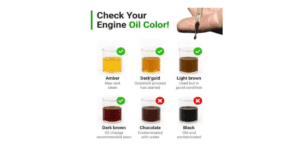 Sometimes, a calm bedtime story. Sometimes a full-blown horror movie. In this guide, I’ll walk you through exactly how to check engine oil color, what each color actually means, and how I learned (the hard way) to read those signs before they turned into expensive repairs.
This is written from a U.S. driver’s perspective, casual but informed, with real-world experience, not mechanic jargon overload. We’ll cover:
- Step-by-step how to check oil color correctly
- What different oil colors mean (with real examples)
- When oil color is normal vs a red flag
- A comparison table for quick reference
- A buyer’s guide for oil-related tools and products
- FAQs people actually ask
Let’s get into it.
Why Engine Oil Color Matters More Than You Think
Engine oil does a lot more than just “lubricate stuff.” It cools, cleans, seals, and protects your engine. As it does its job, it changes. That change shows up first in the oil’s color and consistency.
Think of oil color like a check-engine light without the dashboard drama. If you know what you’re looking at, you can:
- Catch engine problems early
- Avoid surprise breakdowns
- Extend engine life
- Save serious money
I learned this after ignoring dark oil for months until my car started running rough on a summer road trip. Lesson learned.
What You’ll Need to Check Engine Oil Color
Good news: you don’t need fancy tools or a mechanic’s license. Here’s all you need:
- Your car’s dipstick
- A clean paper towel or white cloth
- 2 minutes of your time
Optional but helpful:
- Flashlight (for low-light garages)
- Gloves (if you hate oily fingers as I do)
That’s it.
How To Check Engine Oil Color (Step-by-Step)
This is the method I use every single time now.
Step 1: Park on Level Ground
Always. Sloped driveways can mess with the reading and give you misleading results.
Step 2: Turn the Engine Off and Let It Cool
Wait at least 5–10 minutes after driving. Hot oil drains unevenly and can look darker than it really is.
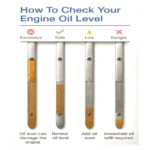
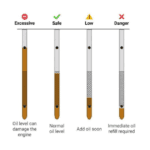
Step 3: Pop the Hood and Find the Dipstick
Usually, it has a bright yellow or orange handle. If you’re unsure, your owner’s manual will show you exactly where it is.
Step 4: Pull the Dipstick and Wipe It Clean
Use a white paper towel. This makes color differences much easier to spot.
Step 5: Reinsert Fully, Then Pull It Out Again
This second pull is the one that matters.
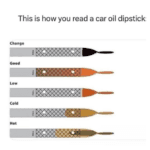
Step 6: Check the Oil Color on the Towel
Smear a small amount of oil across the towel and look at it in good light. Now comes the important part: understanding what you’re seeing.
Engine Oil Colors Explained (From Best to Worst)
1. Clear or Light Amber Oil (The Gold Standard)
This is what fresh, healthy oil looks like. What it means:
- Oil is new or still in great condition
- The engine is clean internally
- No immediate action needed
My experience: Right after an oil change, my oil looks like liquid honey. When I see this color, I know I’m good for thousands of miles.
2. Dark Amber or Brown Oil (Still Normal)
This is the most common oil color you’ll see. What it means:
- Oil is doing its job
- Collecting dirt and combustion byproducts
- Still protecting your engine
Important note: Dark oil doesn’t automatically mean “change now.” Modern oils are designed to darken.
3. Dark Brown or Black Oil (Time to Pay Attention)
This is where context matters. What it could mean:
- Oil is old and nearing the end of its life
- Extended oil change intervals
- High engine temperatures
If it’s black but smooth: Schedule an oil change soon. If it’s black and gritty: Change it immediately.
This is the stage where I once pushed my luck and paid for it later.
4. Milky or Creamy Oil (Major Red Flag)
This one is serious. What it means:
- Coolant mixing with oil
- Possible blown head gasket
- Cracked engine block (worst case)
What to do: Do NOT drive. Get it checked immediately. I’ve only seen this once in a friend’s car, and it turned into a very expensive repair.
5. Foamy Oil
Foam is never good. Possible causes:
- Overfilled oil
- Water contamination
- Aggressive driving without proper oil circulation
Fix: Check the oil level and consult a mechanic if it persists.
6. Gray or Metallic Oil
This is rare but alarming. What it means:
- Metal shavings in oil
- Internal engine wear
If you see this: Stop driving and get professional help.
Engine Oil Color Comparison Table
| Oil Color | What It Means | Action Needed |
| Clear / Light Amber | Fresh, healthy oil | No action |
| Dark Amber / Brown | Normal wear | Monitor |
| Dark Brown / Black | Oil nearingthe end | Change soon |
| Milky / Creamy | Coolant contamination | Immediate repair |
| Foamy | Overfill or moisture | Inspect & fix |
| Gray / Metallic | Engine wear | Stop driving |
Does Oil Color Alone Tell the Whole Story?
Short answer: no. Oil color is a clue, not a diagnosis. You should also consider:
- Oil texture (gritty vs smooth)
- Smell (burnt smell = bad)
- Oil level
- Engine performance
I once had oil that looked okay but smelled burned, which is what pushed me to change it early.
How Often Should You Check Engine Oil Color?
My personal rule:
- Once a month
- Before long road trips
- Anytime the engine feels “off.”
It takes two minutes and can save thousands of dollars.
Buyer’s Guide: Tools & Products That Make Oil Checks Easier
You don’t need much, but these help.
1. Disposable Oil Check Towels
Why I like them:
- Bright white for accurate color reading
- No laundry
Best for:
DIY drivers
2. Nitrile Gloves
Keeps your hands clean and oil-free.
3. Flashlight or Headlamp
Perfect for low-light garages or nighttime checks.
4. Quality Engine Oil (When It’s Time to Change)
Look for:
- Manufacturer-recommended viscosity
- API certification
- Synthetic or full synthetic for modern engines
Common Mistakes People Make When Checking Oil Color
I’ve made most of these myself:
- Checking the oil right after driving
- Using a dirty rag
- Panicking over dark oil
- Ignoring milky oil
- Overfilling after a check
Avoid these, and you’re already ahead of most drivers.
My Honest Experience With Ignoring Oil Color
I’ll be real: I used to ignore oil color completely. One summer, my oil was jet black. I figured I still had time. A few weeks later, my engine started knocking. The oil had broken down completely.
That mistake cost me:
- Emergency oil change
- Engine cleaning
- A very stressful tow
Now? I check oil color like clockwork.
Read More: What Is The Most Expensive Car In The World
FAQs: How To Check Engine Oil Color
Q1: Is black oil always bad?
No. Black oil can still protect your engine. Texture and smell matter.
Q2: Can oil be too clean?
Only if it’s brand new. Clean oil after thousands of miles might mean fuel dilution; get it checked.
Q3: What color oil means change immediately?
Milky, foamy, or metallic oil.
Q4: Does synthetic oil change color more slowly?
Yes. Synthetic oils usually darken more slowly.
Q5: Should diesel oil be darker?
Yes. Diesel oil turns black faster by design.
Q6: Can cold weather affect oil color?
Not the color itself, but it can affect the thickness.
Q7: Is checking oil color enough?
No. Always check the level and condition too.
Q8: How long does oil stay amber?
Usually a few hundred miles, depending on driving conditions.
Final Thoughts
Checking engine oil color is one of the simplest, smartest car habits you can build. It takes almost no time, costs nothing, and gives you a real-time window into your engine’s health.
If there’s one takeaway from my experience, it’s this: Don’t wait for warning lights. Your oil will talk to you first if you know how to look.