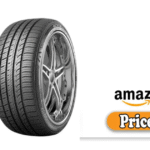
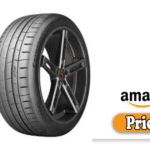
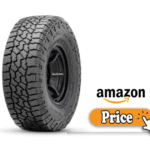
If you’ve ever stood in a tire shop staring at a wall of rubber circles while wondering “Are Hankook tires actually good… or just cheap?” you’re not alone. I asked myself the same question before buying my first set of Hankook tires.
I didn’t want bottom-of-the-barrel junk, but I also didn’t feel like dropping Michelin money if I didn’t have to. After driving on Hankook tires across highways, city streets, rainstorms, road trips, and daily commutes, I’ve formed a very clear opinion.
This article is my honest, real-world experience with Hankook tires, written for everyday U.S. drivers who want value without sacrificing safety. Let’s get into it.

What I Like About Hankook Tires
Let’s start with the positives because there are plenty.
1. Excellent Value for the Price
This is Hankook’s biggest strength. You’re often getting:
- Solid performance
- Good tread life
- Dependable safety
- Quiet ride
…for 20–40% less than premium brands like Michelin or Continental. They don’t feel cheap, which is important.
2. Comfortable, Quiet Ride
One of the first things I noticed was how quiet Hankook tires are, especially on highways. Compared to older Goodyears I had:
- Less road hum
- Less vibration
- Smoother ride on rough pavement
For daily commuting, this matters more than people think.
3. Reliable in Wet Conditions
Rain performance is strong across most Hankook models. I’ve driven:
- Through Florida downpours
- On slick highways
- During sudden summer storms
And the grip felt predictable and stable not sketchy.
4. Solid Tread Life
Most Hankook tires come with 50,000–70,000 mile warranties, and in real life, that feels accurate if you rotate them properly. They wear evenly and don’t chunk or feather easily.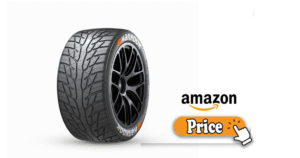 👉🏿👉🏻 Check The Latest Price and Offer at Amazon 👈🏻👈🏿
What Could Be Better
No tire is perfect, and Hankook has some trade-offs.
1. Not the Absolute Best in Snow
While Hankook makes dedicated winter tires (which are solid), their all-season tires are average in snow, not amazing.
Light snow? Fine. Deep snow or ice? You’ll want winter tires.
2. Performance Tires Aren’t Class-Leading
Their high-performance models are good but if you’re tracking your car or driving aggressively, brands like Michelin Pilot Sport still win.
For normal driving? Totally fine. For enthusiasts? There are better options.
3. Brand Recognition Still Lags
Some people still assume Hankook is “cheap” just because it’s less known in the U.S. That’s changing but perception matters to some buyers.
My Personal Experience With Hankook Tires
I’ve run Hankook tires on:
- A midsize sedan
- A compact SUV
- A daily commuter car
Daily Driving
For everyday driving:
- Smooth
- Predictable
- No drama
The steering response is balanced not mushy, not overly stiff.
Highway Driving
On long road trips:
- Stable at high speeds
- Minimal road noise
- Good fuel efficiency
I never felt fatigued by vibration or sound.
Rain & Emergency Braking
I tested braking hard during rain (safely, of course), and Hankooks performed confidently with no scary slipping. That builds trust.
Design
Hankook tires have a clean, modern look.
- Tread patterns are functional, not flashy
- Sidewalls look premium
- No weird branding overload
For anyone who cares about aesthetics they won’t look cheap on your car.
Performance
Dry Performance
- Good grip
- Predictable cornering
- Stable braking
They don’t feel floaty or vague.
Wet Performance
This is where Hankook shines:
- Excellent water evacuation
- Reduced hydroplaning risk
- Confident cornering in rain
Noise & Comfort
Hankook invests heavily in noise-reduction tech, and it shows.
- Quiet at highway speeds
- Comfortable on rough roads
Comparison Table
| Brand | Price | Ride Comfort | Wet Grip | Snow Grip | Tread Life |
| Hankook | $111 | Very Good | Very Good | Average | Very Good |
| Michelin | $234 | Excellent | Excellent | Very Good | Excellent |
| Goodyear | $129 | Good | Good | Average | Good |
| Kumho | $91 | Average | Average | Poor | Average |
Bottom line: Hankook punches above its price.
Build Quality
Hankook manufactures tires for:
- OEM vehicles
- Performance cars
- SUVs & trucks
Their factories meet strict global standards, and defect rates are low. I’ve never had:
- Sidewall bubbles
- Premature cracking
- Structural failures
That matters.
Buyer’s Guide: Are Hankook Tires Right for You?
Choose Hankook If:
- You want great value
- You drive mostly city/highway
- You live in mild to moderate climates
- You want quiet, comfortable tires
Consider Other Brands If:
- You drive aggressively
- You need extreme winter traction
- You want top-tier performance regardless of price
Best Hankook Tires by Category
- Best All-Season: Hankook Kinergy PT
- Best Performance: Hankook Ventus S1 Noble2
- Best SUV Tire: Hankook Dynapro HP2
- Best Winter: Hankook Winter i*cept
Alternative Options
If Hankook isn’t your thing, here are alternatives:
Michelin
- Best overall performance
- Very expensive
Continental
- Excellent balance
- Slightly pricier than Hankook
Kumho
- Cheaper
- Less refined
FAQs: How Good Are Hankook Tires | My Honest Experience
Are Hankook tires made in the USA?
Some Hankook tires are manufactured in the U.S., including Tennessee.
Are Hankook tires reliable?
Yes. They’re known for consistent quality and durability.
How long do Hankook tires last?
Typically 50,000–70,000 miles with proper care.
Are Hankook tires better than Goodyear?
In value and comfort often yes. In brand prestige no.
Are Hankook tires good in rain?
Absolutely. Wet traction is one of their strengths.
Final Thought
So… how good are Hankook tires?
Honestly? They’re one of the smartest tire buys you can make if you want dependable performance without paying premium prices.
They’re not the flashiest.
They’re not the most expensive.
But they do their job extremely well.
If you want:
- Comfort
- Safety
- Value
- Longevity
Hankook tires are absolutely worth considering.