The first time I heard about an EGR valve, it was because my car started running rough and the check engine light popped on out of nowhere. At first, I assumed it was something major, but it turned out to be a small component doing a very big job.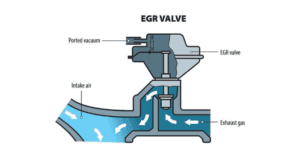 If you’ve ever wondered “What is an EGR valve and why does it matter?”, you’re in the right place. This guide breaks it down in a simple, real-world way, with no confusing jargon, just practical insights you can actually use.
What Is an EGR Valve?
The EGR (Exhaust Gas Recirculation) valve is a critical part of your car’s emissions system. Its main job is to reduce harmful emissions by recirculating a portion of exhaust gases back into the engine.
In Simple Terms:
It takes some of the dirty exhaust and sends it back into the engine to be burned again, reducing pollution and improving efficiency.
Why Is the EGR Valve Important?
Without an EGR valve, your car would:
- Produce more nitrogen oxide (NOx) emissions
- Run hotter than normal
- Potentially suffer engine knocking
- Fail emissions tests
It’s a small part, but it plays a big role in keeping your engine clean and efficient.
How Does an EGR Valve Work?
Here’s how it works in a simple flow:
- The engine produces exhaust gases
- EGR valve opens under certain conditions
- A portion of exhaust gas is redirected into the intake manifold
- The gas mixes with fresh air and fuel
- Combustion temperature lowers, reducing harmful emissions
Types of EGR Valves
There are a few different types, depending on your vehicle:
| Type | Description | Common In |
| Vacuum-Controlled EGR | Uses vacuum pressure to open/close | Older vehicles |
| Digital EGR Valve | Controlled electronically by the ECU | Modern cars |
| Linear EGR Valve | Precise control over flow | Fuel-injected engines |
Signs of a Bad EGR Valve
From personal experience, these symptoms don’t show up all at once; they build over time.
- Rough idling
- Engine knocking or pinging
- Poor fuel economy
- Check engine light
- Increased emissions
- Engine stalling
If your car feels “off” but not completely broken, the EGR valve is often the culprit.
EGR Valve Repair vs Replacement
Here’s a quick comparison:
| Factor | Cleaning/Repair | Replacement |
| Cost | $20–$80 | $100–$400 |
| Time | 1–2 hours | 1–3 hours |
| Effectiveness | Temporary | Long-term |
| Best For | Carbon buildup | Mechanical failure |
My take: Always try cleaning first; it’s cheap and often solves the problem.
What Causes EGR Valve Failure?
The biggest enemy? Carbon buildup. Other causes include:
- Poor fuel quality
- Short trips (engine doesn’t heat fully)
- Faulty sensors
- Electrical issues (in modern valves)
- Aging components
DIY EGR Valve Cleaning (Step-by-Step)
I’ve done this myself, and it can save you a lot of money.
Tools Needed:
- Wrench set
- Carburetor cleaner
- A brush or an old toothbrush
- Gloves
Steps:
- Locate the EGR valve (usually near the intake manifold)
- Remove it carefully
- Spray cleaner to remove carbon deposits
- Scrub gently
- Let it dry completely
- Reinstall
Pro Tip: Don’t soak electrical components; only clean the valve body.
Cost of EGR Valve Replacement
Here’s what you can expect:
| Vehicle Type | Cost Range |
| Economy Cars | $100–$250 |
| Mid-range Vehicles | $200–$400 |
| Luxury Cars | $400–$700 |
Labor costs vary depending on engine accessibility.
My Personal Experience
When my car started idling roughly, I initially ignored it. Big mistake. The issue gradually worsened, and fuel consumption increased.
I decided to clean the EGR valve myself. It took about an hour and cost almost nothing. The difference was immediate. The engine ran smoother, and the check engine light disappeared.
That experience taught me: sometimes small maintenance jobs make a huge difference.
Buyer’s Guide: Choosing the Right EGR Valve
If you need a replacement, here’s what to consider:
1. Compatibility
Always match the valve to your car’s make, model, and engine type.
2. OEM vs Aftermarket
- OEM: Perfect fit, higher cost
- Aftermarket: Budget-friendly, but quality varies
3. Build Quality
Look for durable metal construction and high heat resistance.
4. Electronic vs Vacuum Type
Make sure you choose the correct type for your vehicle.
5. Warranty
A good warranty indicates confidence in the product.
Maintenance Tips to Extend EGR Valve Life
- Use high-quality fuel
- Drive longer distances occasionally (burns carbon buildup)
- Clean the valve every 20,000–30,000 km
- Replace air filters regularly
- Avoid excessive idling
What Happens If You Ignore a Bad EGR Valve?
Ignoring it can lead to:
- Engine damage
- Failed emissions tests
- Poor fuel economy
- Rough driving experience
- Increased repair costs
EGR Valve vs Other Engine Components
| Component | Function | Difference |
| EGR Valve | Recirculates exhaust gas | Reduces emissions |
| PCV Valve | Controls crankcase gases | Maintains pressure |
| Catalytic Converter | Filters exhaust gases | Cleans emissions |
Environmental Impact
The EGR valve plays a major role in reducing pollution by lowering nitrogen oxide emissions. Without it, vehicles would contribute significantly more to air pollution.
Read More: What Is An Accumulator In A Car
FAQs: What Is A EGR Valve
1. What does an EGR valve do?
It recirculates exhaust gases to reduce emissions and engine temperature.
2. Can I drive with a bad EGR valve?
Yes, but it can cause performance issues and long-term damage.
3. How often should I clean it?
Every 20,000–30,000 km is a good rule of thumb.
4. Is cleaning better than replacing?
Cleaning is cheaper and works if the valve isn’t damaged.
5. What are the main symptoms of failure?
Rough idle, poor fuel economy, and check engine light.
6. Does EGR affect fuel efficiency?
Yes, a faulty valve can reduce efficiency.
7. Can I replace it myself?
Yes, if you have basic tools and knowledge.
8. How long does an EGR valve last?
Typically 80,000–150,000 km depending on usage.
Final Thoughts
The EGR valve might not be something you think about often, but it’s essential for both your car’s performance and the environment. The good news? It’s usually easy and affordable to maintain.
From my experience, regular cleaning can prevent most issues. And if replacement is needed, choosing the right part makes all the difference. Take care of your EGR valve, and your engine will thank you.