If you’ve ever turned the key in your car and felt that small moment of panic when the engine struggles to start, you’re not alone. I went through the same thing a while back.
My car had been running perfectly for months, and then suddenly it started acting strange hard starts, loss of power, and random stalling. At first, I thought it might be the battery or maybe the spark plugs.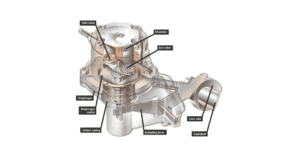 But after a bit of troubleshooting (and a stressful roadside stall), I discovered the real culprit: a failing fuel pump. The fuel pump is one of those parts most drivers never think about until it starts failing.
Yet it plays a crucial role in delivering fuel from the tank to the engine. When it begins to malfunction, your vehicle can quickly go from reliable to unpredictable.
In this in-depth guide, I’ll walk you through the most common bad fuel pump symptoms, how to identify them early, how they compare to similar issues, and what you should do before the problem becomes expensive.
What Does a Fuel Pump Actually Do?
Your car’s fuel pump pushes fuel from the tank through the fuel lines and into the engine at the correct pressure. Without it, your engine simply won’t receive the fuel it needs to run.
Most modern vehicles use electric fuel pumps located inside the fuel tank. These pumps are designed to last a long time, often over 100,000 miles (160,000 km), but like any mechanical component, they eventually wear out.
When the pump begins to fail, it usually sends warning signs first.
The Most Common Bad Fuel Pump Symptoms
From my own experience and countless mechanics’ advice, here are the most common warning signs.
1. Difficulty Starting the Engine
One of the earliest symptoms I noticed was hard starting. Sometimes the car would crank longer than usual before starting. Other times, it would start and then die a few seconds later.
Why does it happen:
- The pump can’t maintain proper fuel pressure
- The engine isn’t getting enough fuel during ignition
- Pressure leaks back into the tank overnight
If your car starts normally sometimes but struggles at other times, the fuel pump may be weakening.
2. Loss of Power While Driving
Another big red flag is power loss while accelerating. You might notice this when:
- Driving uphill
- Carrying heavy loads
- Accelerating quickly
- Driving at high speeds
In my case, the car felt like it was hesitating, almost like it was holding back. This happens because the pump can’t supply enough fuel when the engine demands more.
3. Engine Sputtering at High Speed
A failing pump can cause the engine to sputter or jerk, especially at highway speeds. The car might feel like it’s:
- Missing power
- Jerking intermittently
- Briefly losing acceleration
This occurs when the fuel pump momentarily stops delivering consistent fuel pressure.
4. Sudden Engine Stalling
This was the symptom that finally convinced me something was seriously wrong. My car stalled while idling at a traffic light. Fuel pumps can fail suddenly, causing:
- Unexpected engine shutdown
- Stalling while driving
- Difficulty restarting
If this happens frequently, the pump may be close to complete failure.
5. Whining Noise from the Fuel Tank
Fuel pumps normally make a very quiet humming sound when the engine is running. However, a failing pump often produces a loud whining noise coming from the fuel tank.
Common reasons include:
- Pump wear
- Restricted fuel flow
- Overheating
This noise usually gets louder as the pump gets worse.
6. Poor Fuel Efficiency
If your fuel pump delivers too much or too little fuel, your engine’s fuel mixture becomes inefficient. Signs include:
- Increased fuel consumption
- Black smoke from the exhaust
- Rough engine performance
Although other issues can cause this too, a faulty pump can definitely contribute.
Fuel Pump vs Other Similar Problems
Many symptoms of a failing fuel pump can also resemble other engine problems. Here’s a quick comparison to help differentiate.
| Symptom | Bad Fuel Pump | Clogged Fuel Filter | Bad Spark Plugs | Weak Battery |
| Hard starting | Yes | Sometimes | Yes | Yes |
| Engine sputtering | Yes | Yes | Yes | No |
| Power loss under load | Yes | Yes | Sometimes | No |
| Whining noise from the tank | Yes | No | No | No |
| Engine stalling | Yes | Sometimes | Sometimes | No |
| Poor fuel economy | Sometimes | Sometimes | Yes | No |
Key takeaway: If you notice a whining sound from the fuel tank combined with power loss, the fuel pump is often the primary suspect.
My Personal Fuel Pump Failure Story
Let me share exactly how this played out for me. At first, I noticed the car cranking longer than usual in the morning. I ignored it because the car eventually started.
Then came the loss of power during acceleration. I thought maybe the fuel filter was dirty. The final warning came when the car stalled at a traffic light.
A mechanic checked the fuel pressure and confirmed the pump was failing. Once replaced, the car immediately felt like new again.
Why Fuel Pumps Fail
Fuel pumps are durable, but several factors can shorten their lifespan.
1. Running on Low Fuel Frequently
Many people don’t realize this, but fuel cools the pump. Driving with a nearly empty tank can cause the pump to overheat.
2. Dirty Fuel
Contaminated fuel can damage pump components and clog internal parts.
3. Old Fuel Filters
A clogged fuel filter forces the pump to work harder, reducing its lifespan.
4. Electrical Issues
Wiring faults or relay failures can also affect pump performance.
Buyer’s Guide: Choosing the Right Fuel Pump
If your pump needs replacing, selecting the right one is important. Not all fuel pumps are equal. Here’s what to consider.
1. Compatibility with Your Vehicle
Always ensure the pump matches:
- Vehicle make
- Model
- Engine type
- Year
Incorrect pumps can cause pressure problems.
2. OEM vs Aftermarket
OEM Pumps
Pros:
- Exact factory specifications
- Reliable performance
Cons:
- More expensive
Aftermarket Pumps
Pros:
- Lower cost
- Widely available
Cons:
- Quality varies
3. Fuel Pressure Rating
Every engine requires a specific fuel pressure range. Choosing the wrong pump can cause:
- Poor engine performance
- Fuel system damage
4. Brand Reputation
Trusted brands usually offer:
- Better materials
- Longer lifespan
- Warranty protection
5. Warranty
A good pump should come with at least a 1-year warranty. This protects against early failure.
How Mechanics Diagnose a Bad Fuel Pump
Before replacing a pump, mechanics usually perform a few tests.
Fuel Pressure Test
This measures whether the pump delivers adequate pressure.
Fuel Pump Relay Check
Sometimes the relay fails instead of the pump.
Electrical Testing
Voltage is checked at the pump connector.
How Much Does Fuel Pump Replacement Cost?
The cost depends on the vehicle and pump type. Typical costs:
- Fuel pump: $100 – $500
- Labor: $150 – $400
Total average repair:
$300 – $900
Some vehicles require removing the fuel tank, which increases labor cost.
How to Extend Fuel Pump Life
A few simple habits can help your fuel pump last longer.
Keep the Tank at Least ¼ Full
Fuel helps cool the pump.
Replace Fuel Filters Regularly
A clean filter reduces pump strain.
Use Quality Fuel
Low-quality fuel can damage the system.
Avoid Overheating the Pump
Driving with low fuel repeatedly increases wear.
Early Warning Signs You Should Never Ignore
If you notice these symptoms together, check your pump immediately:
- Hard starting
- Power loss
- Whining noise from the fuel tank
- Random stalling
Ignoring them could leave you stranded.
Read More: How To Adjust Rear View Mirror
FAQs: Bad Fuel Pump Symptoms
1. Can you drive with a bad fuel pump?
Technically, yes, but it’s risky. The pump could fail completely at any time, leaving the car unable to start or run.
2. How long do they usually last?
Most last between 100,000 and 200,000 miles, depending on maintenance and driving habits.
3. Will a bad fuel pump trigger the check engine light?
Sometimes yes. Low fuel pressure can trigger engine codes related to the fuel system.
4. Can a bad fuel pump damage the engine?
Yes. Incorrect fuel delivery can cause poor combustion and engine stress.
5. Is fuel pump replacement difficult?
For some vehicles, it’s easy, but for many cars, the fuel tank must be removed, making it a complex repair.
6. Can a clogged fuel filter mimic fuel pump symptoms?
Yes. A clogged filter restricts fuel flow and creates similar performance issues.
7. What happens when a fuel pump completely fails?
The engine will not receive fuel and will not start at all.
Final Thoughts
Fuel pump problems often start with small warning signs that many drivers ignore. From my experience, the best approach is to take symptoms seriously early. A simple diagnosis can save you from unexpected breakdowns and expensive repairs later.
If your car is showing signs like hard starts, power loss, whining noises, or sudden stalling, checking the fuel pump should be high on your priority list.
A healthy fuel pump means a reliable engine, smoother driving, and fewer roadside surprises.