Brakes are one of the most important safety systems in any vehicle, yet many drivers rarely think about them until they hear an unpleasant grinding noise or feel vibrations through the steering wheel.
While brake pads often get most of the attention, brake rotors play an equally critical role in stopping your car safely and efficiently. One of the most common questions vehicle owners ask is: How long do car rotors last?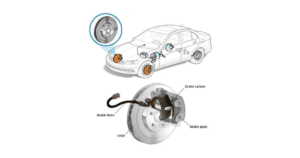 After owning several vehicles over the years, from compact sedans to larger SUVs, I’ve learned that rotor lifespan can vary dramatically depending on driving habits, vehicle weight, road conditions, and maintenance practices. Some rotors can easily last over 70,000 miles, while others may require replacement much sooner.
In this comprehensive guide, we’ll explore everything you need to know about brake rotor lifespan, factors that affect durability, warning signs of wear, replacement costs, and how to choose the best rotors for your vehicle.
What Are Brake Rotors?
Brake rotors, sometimes called brake discs, are circular metal discs attached to your vehicle’s wheels. When you press the brake pedal, brake calipers squeeze brake pads against the rotor surface.
This friction converts kinetic energy into heat, slowing and eventually stopping the vehicle. Without healthy rotors, even brand-new brake pads cannot provide optimal stopping performance.
Average Brake Rotor Lifespan
Most brake rotors last between:
| Vehicle Type | Average Rotor Lifespan |
| Compact Cars | 50,000–70,000 miles |
| Sedans | 50,000–80,000 miles |
| SUVs | 40,000–70,000 miles |
| Pickup Trucks | 40,000–70,000 miles |
| Performance Cars | 20,000–50,000 miles |
| Electric Vehicles | 70,000–100,000+ miles |
Under ideal driving conditions, many modern rotors can exceed 80,000 miles. However, aggressive driving, towing, mountainous terrain, and frequent stop-and-go traffic can significantly shorten rotor life.
My Personal Experience with Rotor Longevity
Over the years, I’ve owned multiple vehicles with very different rotor experiences. One midsize sedan I drove primarily on highways reached nearly 85,000 miles before needing rotor replacement.
The rotors remained smooth and vibration-free thanks to gentle braking habits and regular maintenance. In contrast, an SUV used mostly in city traffic needed new rotors at approximately 45,000 miles.
Constant braking in congested traffic generated excessive heat, leading to rotor warping and vibration. This firsthand experience reinforced a simple truth:
Driving style often matters more than mileage.
Factors That Affect Rotor Lifespan
Several variables determine how long your brake rotors will survive.
1. Driving Habits
Aggressive drivers wear rotors faster. Common habits that shorten rotor life include:
- Hard braking
- Tailgating
- Frequent panic stops
- Racing starts
- Riding the brakes downhill
Gentle braking significantly extends rotor lifespan.
2. Driving Environment
Urban traffic creates much more brake wear than highway cruising. Rotor wear is accelerated by:
- Stop-and-go traffic
- Mountain roads
- Heavy congestion
- Construction zones
Drivers who spend most of their time on highways typically enjoy longer rotor life.
3. Vehicle Weight
Heavier vehicles generate more braking force. Examples include:
- Full-size SUVs
- Pickup trucks
- Vans
- Vehicles carrying heavy loads
The heavier the vehicle, the harder the brakes must work.
4. Towing and Hauling
Frequent towing places enormous stress on braking systems. A truck pulling trailers regularly may need rotor replacement significantly earlier than a similar truck used only for commuting.
5. Brake Pad Quality
Many drivers overlook the connection between pads and rotors. Low-quality brake pads can:
- Create excessive heat
- Wear rotors unevenly
- Produce grooves
- Cause vibration
Premium pads generally help preserve rotor surfaces.
6. Rotor Material
Rotor construction greatly impacts longevity. Common materials include:
Cast Iron Rotors
Most common option.
Pros:
- Affordable
- Durable
- Reliable
Cons:
- Heavy
- Can rust
High-Carbon Rotors
Pros:
- Better heat management
- Reduced vibration
- Longer lifespan
Cons:
- More expensive
Slotted Rotors
Pros:
- Improved cooling
- Better performance
Cons:
- Slightly faster pad wear
Drilled Rotors
Pros:
- Excellent heat dissipation
- Attractive appearance
Cons:
- Potential cracking under extreme use
Signs Your Rotors Need Replacement
Knowing the warning signs can prevent costly repairs and improve safety.
Steering Wheel Vibration
A vibrating steering wheel during braking often indicates warped rotors.
This is one of the most common symptoms.
Pulsating Brake Pedal
If the brake pedal pulses under your foot, uneven rotor surfaces may be causing inconsistent contact.
Grinding Noise
Grinding sounds can indicate:
- Severely worn brake pads
- Rotor damage
- Metal-to-metal contact
Immediate inspection is recommended.
Visible Grooves
Deep grooves suggest excessive wear. Minor surface marks are normal, but deep channels often require replacement.
Blue Discoloration
Blue or purple spots indicate overheating. Heat damage weakens rotor integrity and performance.
Increased Stopping Distance
When brakes no longer stop the vehicle efficiently, worn rotors may be contributing to reduced braking power.
Can Rotors Be Resurfaced?
In some cases, yes. Rotor resurfacing (machining) removes a thin layer of metal to restore a smooth surface. Resurfacing may be appropriate if:
- Rotor thickness remains within specifications
- Damage is minor
- No severe cracks exist
However, many modern rotors are thinner than older designs, making replacement more practical.
Rotor Resurfacing vs Replacement
| Feature | Resurfacing | Replacement |
| Cost | Lower | Higher |
| Lifespan | Reduced | Full lifespan |
| Performance | Improved | Best |
| Safety | Depends on thickness | Maximum |
| Long-Term Value | Moderate | Excellent |
In many situations, replacing rotors during brake service provides the best long-term value.
How Much Does Rotor Replacement Cost?
Costs vary by vehicle type and location. Typical replacement costs:
| Vehicle Category | Estimated Cost |
| Economy Cars | $250–$500 |
| Sedans | $300–$700 |
| SUVs | $400–$900 |
| Trucks | $500–$1,200 |
| Luxury Vehicles | $800–$2,000+ |
Prices usually include:
- Rotors
- Brake pads
- Labor
Luxury and performance vehicles often require premium components.
How to Make Rotors Last Longer
Rotor longevity depends heavily on maintenance and driving habits.
Drive Smoothly
Gradual braking reduces heat buildup. Avoid:
- Sudden stops
- Aggressive braking
- Racing behavior
Maintain Proper Following Distance
More space allows gentler braking. This simple habit dramatically reduces brake wear.
Replace Brake Pads Promptly
Worn pads damage rotors quickly. Ignoring pad replacement often doubles repair costs.
Avoid Excessive Heat
Repeated hard braking creates extreme temperatures that can warp rotors. Use engine braking when descending steep hills.
Perform Regular Inspections
Routine inspections identify issues before serious damage occurs. Most technicians recommend checking brakes every:
- 10,000 to 15,000 miles
Buy Quality Components
Premium rotors frequently outlast budget alternatives. Better metallurgy and manufacturing improve durability.
Best Rotor Types for Different Drivers
Daily Commuters
Best choice:
- Standard cast iron rotors
Benefits:
- Affordable
- Long-lasting
- Reliable
Highway Drivers
Best choice:
- High-carbon rotors
Benefits:
- Reduced vibration
- Excellent longevity
Performance Enthusiasts
Best choice:
- Slotted rotors
Benefits:
- Better cooling
- Improved braking response
Towing Vehicles
Best choice:
- Heavy-duty high-carbon rotors
Benefits:
- Greater heat resistance
- Improved durability
Buyer’s Guide: Choosing the Right Brake Rotors
Purchasing brake rotors can be confusing due to the variety of materials, designs, and price points available. Here’s what to consider.
Match OEM Specifications
Always verify compatibility with:
- Year
- Make
- Model
- Trim level
Incorrect fitment can compromise safety.
Consider Driving Conditions
Choose rotors based on actual usage.
Mostly City Driving
Look for:
- Durable cast iron rotors
- Corrosion-resistant coatings
Heavy Towing
Choose:
- High-carbon rotors
- Heavy-duty designs
Performance Driving
Consider:
- Slotted rotors
- Premium performance brands
Evaluate Corrosion Protection
Modern coated rotors resist rust far better than traditional designs. This is especially valuable in regions with:
- Snow
- Road salt
- High humidity
Check Warranty Coverage
Premium rotor manufacturers often provide warranties against manufacturing defects. Longer warranties typically indicate higher confidence in product quality.
Balance Price and Value
The cheapest rotor is rarely the best deal. Quality rotors:
- Last longer
- Run smoother
- Reduce noise
- Improve braking confidence
Common Rotor Myths
Myth #1: Rotors Must Be Replaced Every Time Pads Are Changed
Not necessarily. Rotors can sometimes last through multiple pad changes if thickness and condition remain acceptable.
Myth #2: Rotor Warping Is Always Permanent
Some vibration issues result from uneven pad deposits rather than true warping. A professional inspection can determine the cause.
Myth #3: Expensive Rotors Always Last Longer
Price alone doesn’t guarantee durability. Proper installation and driving habits matter just as much.
Myth #4: Drilled Rotors Stop Faster
For normal street driving, stopping distance differences are often minimal. Drilled designs primarily improve heat management.
Read More: How To Replace Car Cabin Air Filter
FAQs: How Long Do Car Rotors Last
How often should brake rotors be replaced?
Most brake rotors require replacement between 50,000 and 80,000 miles, depending on driving conditions and maintenance.
Can brake rotors last 100,000 miles?
Yes. Highway-driven vehicles with gentle braking habits can sometimes exceed 100,000 miles.
Should I replace all four rotors at once?
Not always. However, replacing rotors in axle pairs (front or rear) is generally recommended.
Is rotor resurfacing worth it?
If rotor thickness remains within specifications and damage is minor, resurfacing can be cost-effective.
What causes rotors to warp?
Excessive heat from repeated hard braking is the most common cause.
Can I drive with bad rotors?
Driving with severely worn or damaged rotors can reduce braking performance and compromise safety.
Are drilled rotors better than standard rotors?
For everyday driving, standard or high-carbon rotors are usually sufficient. Drilled rotors mainly benefit heat dissipation and appearance.
Do electric vehicles wear out rotors more slowly?
Yes. Regenerative braking reduces reliance on traditional friction brakes, often extending rotor lifespan significantly.
How much do rotors cost?
Most rotor replacement jobs range from $250 to $1,200 depending on vehicle type and labor rates.
What is the biggest factor affecting rotor lifespan?
Driving style. Frequent hard braking and stop-and-go traffic shorten rotor life more than almost any other factor.
Final Verdict
So, how long do car rotors last? For most drivers, brake rotors typically survive between 50,000 and 80,000 miles, although some can exceed 100,000 miles with careful driving and proper maintenance.
In my experience, the biggest factor affecting rotor longevity isn’t necessarily the brand or vehicle but how the vehicle is driven. Smooth braking, timely pad replacement, and regular inspections can dramatically extend rotor life.
Rather than focusing solely on mileage, pay attention to symptoms such as vibration, pulsation, noise, and visible wear. Catching problems early not only saves money but also ensures your vehicle remains safe on the road.
Investing in quality rotors and maintaining good braking habits is one of the smartest decisions any vehicle owner can make.