Few things are more annoying than hearing a squealing, chirping, or grinding noise every time you turn on your car’s air conditioning. I experienced this problem during a particularly hot summer when my vehicle started making a high-pitched squeal whenever the AC compressor engaged.
At first, I ignored it, assuming it was harmless. A few weeks later, the noise became impossible to overlook, and I discovered that a worn AC belt was the culprit.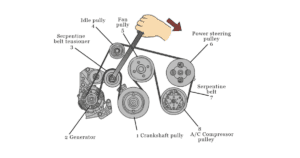 The good news is that a noisy AC belt is often one of the easier automotive issues to diagnose and repair. However, ignoring it can lead to expensive damage, including a failed compressor, broken belt, or loss of cooling performance.
In this comprehensive guide, we’ll explore everything you need to know about a car’s AC belt making noise, including causes, symptoms, repairs, costs, maintenance tips, and how to prevent future problems.
What Is a Car AC Belt?
The AC belt, often referred to as the serpentine belt or drive belt, transfers power from the engine’s crankshaft to various accessories, including:
- Air conditioning compressor
- Alternator
- Water pump
- Power steering pump
- Cooling fan
When functioning properly, the belt operates quietly while driving these essential systems. When it begins making noise, it’s usually a sign that something is worn, loose, contaminated, or failing.
Common AC Belt Noises and Their Meanings
| Noise Type | Possible Cause | Severity | Recommended Action |
| Squealing | Loose belt or worn belt | Medium | Inspect immediately |
| Chirping | Belt misalignment | Medium | Check pulleys |
| Grinding | Bearing failure | High | Repair urgently |
| Rattling | Loose tensioner | Medium | Replace tensioner |
| Whining | Compressor issue | High | Inspect the AC compressor |
| Screeching | Belt slipping badly | High | Stop driving if severe |
Why Is My Car’s AC Belt Making Noise?
Several issues can cause belt noise. Understanding the source helps prevent unnecessary repairs.
1. Worn-Out Belt
Over time, rubber belts deteriorate due to:
- Heat exposure
- Friction
- Age
- Environmental contaminants
Signs include:
- Cracks
- Fraying
- Glazing
- Missing ribs
A worn belt loses grip and slips against pulleys, creating the classic squealing sound.
2. Loose Belt Tension
The belt requires proper tension to maintain traction. When tension becomes insufficient:
- Belt slips
- Accessories struggle to operate
- Noise appears when the AC engages
A loose belt often squeals most noticeably during startup.
3. Faulty Belt Tensioner
The tensioner automatically maintains belt tension. When it fails:
- The belt vibrates excessively
- Chirping noises occur
- Squealing develops under load
A defective tensioner can mimic a worn belt, making diagnosis important.
4. Misaligned Pulley
Even slight pulley misalignment can create significant noise. Common causes include:
- Bent mounting brackets
- Improper installation
- Worn bearings
Symptoms often include:
- Chirping
- Uneven belt wear
- Premature belt failure
5. AC Compressor Problems
The AC compressor places additional load on the belt. A failing compressor may:
- Seize intermittently
- Create excessive resistance
- Force belt slippage
This often produces loud squealing when the air conditioning is switched on.
6. Worn Pulley Bearings
Accessory pulleys contain bearings that eventually wear out. Bad bearings often produce:
- Grinding noises
- Rumbling sounds
- Metallic squeaks
If ignored, pulley failure can destroy the belt.
7. Oil or Coolant Contamination
Fluids leaking onto the belt reduce friction. Common sources include:
- Valve cover gasket leaks
- Power steering leaks
- Coolant leaks
Contaminated belts frequently squeal regardless of tension adjustments.
Symptoms Accompanying AC Belt Noise
Besides noise, watch for:
Weak Air Conditioning
A slipping belt prevents the compressor from operating efficiently.
Battery Warning Light
The same belt often drives the alternator.
Steering Difficulties
Vehicles using belt-driven power steering may become harder to steer.
Engine Overheating
If the water pump relies on the serpentine belt, cooling performance may decline.
Burning Rubber Smell
Excessive slippage generates heat and can produce a noticeable odor.
How to Diagnose a Noisy AC Belt
Here’s the process I used when diagnosing my own vehicle.
Step 1: Listen Carefully
Observe when the noise occurs:
- At startup
- During acceleration
- When AC turns on
- Constantly
This helps narrow down potential causes.
Step 2: Inspect the Belt
Look for:
- Cracks
- Fraying
- Missing sections
- Shine or glazing
Any visible damage usually warrants replacement.
Step 3: Check Belt Tension
Inspect tension using manufacturer specifications.
Too loose:
- Slippage
- Squealing
Too tight:
- Bearing damage
- Premature wear
Step 4: Examine Pulleys
Rotate pulleys manually.
Check for:
- Roughness
- Wobbling
- Binding
Healthy pulleys spin smoothly.
Step 5: Test AC Engagement
Turn the AC on and off.
If noise appears only when the compressor engages, compressor-related problems become more likely.
Can You Drive with a Noisy AC Belt?
Technically, yes, but it’s not recommended. Minor squealing may allow short-term driving. However, a failing belt can eventually:
- Snap unexpectedly
- Disable the alternator
- Cause overheating
- Leave you stranded
Addressing the issue early saves money and inconvenience.
How to Fix a Noisy Car AC Belt
Replace the Belt
This is the most common solution. Benefits include:
- Quiet operation
- Improved reliability
- Better accessory performance
Most belts cost relatively little compared to the damage a failure can cause.
Replace the Tensioner
A new belt won’t solve problems caused by a defective tensioner. Replacement restores:
- Proper tension
- Stable operation
- Reduced vibration
Replace Damaged Pulleys
Worn pulleys must be replaced. Otherwise, the new belt may quickly develop the same problems.
Repair Fluid Leaks
Any oil or coolant contamination should be addressed immediately. Installing a new belt without fixing leaks usually results in recurring noise.
Replace a Failing Compressor
If the compressor is binding internally, replacement may be necessary. Although expensive, delaying repair can destroy belts and additional components.
AC Belt Repair Cost Comparison
| Repair Type | Parts Cost | Labor Cost | Total Estimated Cost |
| Belt Replacement | $20–$80 | $50–$150 | $70–$230 |
| Belt Tensioner Replacement | $40–$200 | $80–$200 | $120–$400 |
| Pulley Replacement | $30–$150 | $75–$200 | $105–$350 |
| AC Compressor Replacement | $300–$1,000+ | $300–$800 | $600–$1,800+ |
| Fluid Leak Repair | $50–$500 | $100–$600 | $150–$1,100 |
My Personal Experience
When my AC belt began squealing, I initially assumed the belt simply needed replacement. After installing a new belt, the noise disappeared briefly but returned within a few days.
Further inspection revealed a worn tensioner pulley bearing. Replacing both the tensioner and belt permanently solved the issue.
This experience taught me an important lesson: always inspect the entire belt drive system rather than focusing solely on the belt itself.
Preventing AC Belt Noise
Preventive maintenance can significantly extend belt life.
Inspect Belts Regularly
Check every oil change for:
- Cracks
- Fraying
- Glazing
Replace Belts on Schedule
Most manufacturers recommend replacement between:
- 60,000 miles
- 100,000 miles
Consult your owner’s manual.
Fix Leaks Promptly
Oil and coolant rapidly degrade rubber belts. Even small leaks deserve attention.
Listen for Early Warning Signs
Small chirps often become major failures if ignored. Address unusual sounds immediately.
Inspect Tensioners and Pulleys
Whenever replacing a belt, inspect related components for wear. This prevents repeated repairs.
Buyer’s Guide: Choosing a Replacement AC Belt
When purchasing a replacement belt, consider the following factors.
OEM vs Aftermarket
OEM Belts
Pros:
- Exact fit
- Factory quality
- Reliable performance
Cons:
- Higher price
Aftermarket Belts
Pros:
- Affordable
- Widely available
Cons:
- Quality varies
Material Quality
Look for:
- EPDM rubber
- Heat resistance
- Crack resistance
Premium materials generally last longer.
Warranty Coverage
Many premium belts include:
- Limited lifetime warranties
- Defect protection
Warranty coverage can provide additional peace of mind.
Vehicle Compatibility
Always verify:
- Year
- Make
- Model
- Engine size
Incorrect sizing causes immediate performance issues.
Signs You Need Immediate Repair
Seek professional help immediately if:
- Belt smoke appears
- Loud screeching develops
- The battery light turns on
- Engine overheats
- AC stops cooling completely
These symptoms indicate potentially serious failures.
Read More: What Does A Muffler Do On A Car
FAQs: Car AC Belt Making Noise
Why does my AC belt squeal when I turn the air conditioning on?
The AC compressor adds load to the belt. If the belt is worn, loose, or contaminated, it may slip and squeal.
Can a bad AC compressor cause belt noise?
Yes. A failing compressor can increase resistance and force the belt to slip.
How long does an AC belt last?
Most modern serpentine belts last between 60,000 and 100,000 miles under normal conditions.
Is belt dressing a permanent fix?
No. Belt dressing may temporarily reduce noise but rarely solves the underlying issue.
Can a noisy AC belt affect fuel economy?
Yes. Excessive drag or slipping can slightly reduce engine efficiency.
How much does it cost to replace an AC belt?
Most replacements cost between $70 and $230, depending on the vehicle and labor rates.
Can I replace the belt myself?
Many vehicles allow DIY replacement, though some require specialized tools and procedures.
What happens if the belt breaks?
Depending on the vehicle, you may lose:
- Air conditioning
- Alternator charging
- Power steering
- Water pump operation
This can result in overheating and breakdowns.
Should I replace the tensioner with the belt?
If the tensioner shows wear or has high mileage, replacement is often recommended.
Is a chirping noise different from a squealing noise?
Yes. Chirping usually indicates pulley alignment issues, while squealing results from belt slippage.
Final Verdict
A car AC belt making noise is often one of the earliest warnings that something within the accessory drive system requires attention. Whether the cause is a worn belt, failing tensioner, damaged pulley, or struggling compressor, prompt diagnosis can prevent expensive repairs later.
In most cases, replacing a worn belt and inspecting associated components resolves the problem quickly and affordably. Ignoring the noise, however, can eventually lead to breakdowns, overheating, or major component failure.
If your vehicle starts squealing when the AC turns on, don’t wait. A simple inspection today could save hundreds or even thousands of dollars tomorrow.