Checking your engine oil is one of those simple tasks that most drivers know they should do… but often put off. I used to be that person. I assumed oil checks were only necessary during servicing until one day, a dashboard warning light proved me wrong. When I finally checked the dipstick, the oil level was dangerously low. That moment taught me something important: 👉 A 2-minute oil check can save you thousands in engine repairs.
In this guide, I’ll walk you through everything from personal experience to step-by-step instructions, tools, mistakes to avoid, and buying tips so you can confidently check your oil like a pro.
Why Checking Your Oil Matters
Your engine oil is the lifeblood of your car. It:
- Lubricates moving parts
- Reduces friction and wear
- Helps regulate engine temperature
- Prevents buildup of sludge and debris
Ignoring it can lead to:
- Engine overheating
- Poor performance
- Severe engine damage
How Often Should You Check Your Oil?
From real-world experience:
- Older cars: Every 1–2 weeks
- Modern cars: Every 2–4 weeks
- Before long trips: Always check
👉 My rule: Check it once a month minimum
Step-by-Step: How to Check Your Oil
Here’s the exact process I follow:
Step 1: Park on Level Ground
Make sure your car is on a flat surface for accurate readings.
Step 2: Turn Off the Engine
Wait about 5–10 minutes after driving so the oil settles.
Step 3: Open the Hood
Locate and secure the hood using the prop rod.
Step 4: Find the Dipstick
Look for a brightly colored handle (usually yellow or orange).
Step 5: Pull and Wipe
- Pull out the dipstick
- Wipe it clean with a cloth
Step 6: Reinsert and Pull Again
Insert fully, then pull it out again to check the level.
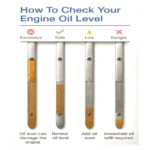
Step 7: Read the Level
Look for markings:
- MIN (low)
- MAX (full)
👉 Oil should be between these marks.
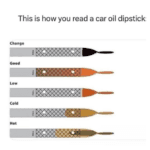
Step 8: Check Oil Condition
Healthy oil:
- Amber or light brown
- Smooth texture
Bad oil:
- Dark/black
- Gritty
- Burnt smell
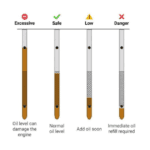
Oil Level Guide (Quick Comparison)
| Oil Level Status | What It Means | Action Required |
| Full (Near MAX) | Perfect condition | No action needed |
| Mid-Level | Acceptable | Monitor regularly |
| Near MIN | Getting low | Add oil soon |
| Below MIN | Dangerous | Add oil immediately |
My Real-World Experience
I once skipped oil checks for months (not proud of it).
What happened?
- The engine became noisier
- Fuel efficiency dropped
- The oil level nearly hit the minimum
After topping up and maintaining regular checks:
👉 The engine ran smoother almost instantly.
Lesson learned:
Oil checks aren’t optional; they’re essential.
Different Ways to Check Oil (Modern vs Traditional)
| Method | Accuracy | Ease of Use | Common In |
| Dipstick | ⭐⭐⭐⭐⭐ | ⭐⭐⭐⭐ | Most cars |
| Electronic Sensor | ⭐⭐⭐⭐ | ⭐⭐⭐⭐⭐ | New cars |
| Dashboard Display | ⭐⭐⭐⭐ | ⭐⭐⭐⭐⭐ | Premium vehicles |
👉 I still trust the dipstick method the most.
Buyer’s Guide: What You Need for Oil Checking
You don’t need much, but having the right basics helps.
1. Clean Cloth or Paper Towels
Used to wipe the dipstick clean.
2. Proper Engine Oil
Always use the oil recommended in your car manual.
Common types:
- 5W-30 (most common)
- 10W-40 (older engines)
- 0W-20 (modern engines)
3. Funnel
Makes pouring oil easier and cleaner.
4. Gloves (Optional)
Keeping your hands clean is especially helpful if you check oil often.
5. Oil Container with Measurement Markings
Helps avoid overfilling.
Common Mistakes to Avoid
From experience, these are very common:
- Checking oil on uneven ground
- Not wiping the dipstick before reading
- Overfilling oil
- Checking immediately after turning off the engine
- Ignoring oil color and condition
How to Add Oil (If Needed)
If your oil is low:
- Locate the oil filler cap
- Open carefully
- Add small amounts (don’t pour too much)
- Recheck with a dipstick
- Repeat until the level is correct
👉 Never exceed the MAX line
How Long Does Oil Last?
Typical oil change intervals:
- Conventional oil: 5,000 – 7,000 km
- Synthetic oil: 8,000 – 15,000 km
Depends on:
- Driving habits
- Engine condition
- Climate
Signs Your Oil Needs Changing
- Dark, thick oil
- Engine noise increases
- Burning smell
- Oil warning light
- Reduced performance
Pro Tips From Experience
- Check oil when engine is slightly warm (not hot)
- Keep spare oil in your car
- Always tighten the dipstick properly after checking
- Record the last oil check/change date
- Use high-quality oil for better engine life
Why Regular Oil Checks Save Money
Skipping oil checks can lead to:
- Engine wear
- Expensive repairs
- Reduced resale value
Spending 2 minutes regularly:
👉 Can save hundreds or even thousands of dollars
Read More: Second Hand Ford Spares: Honest Buyer’s Guide
FAQs: How Do You Check Your Oil
1. Can I check oil when the engine is hot?
Yes, but wait a few minutes to avoid burns and inaccurate readings.
2. What happens if the oil is too low?
Engine parts won’t be lubricated properly, leading to serious damage.
3. Can I drive with low oil?
Not recommended, as it can damage your engine quickly.
4. What color should engine oil be?
Amber/light brown when fresh, darker as it ages.
5. Is it okay to slightly overfill oil?
No. Overfilling can cause pressure issues and leaks.
6. How long does it take to check oil?
Just 2–5 minutes.
7. Do all cars have dipsticks?
Most do, but some newer cars use electronic sensors.
Final Thoughts
Checking your oil is one of the easiest and most important things you can do for your car. From my personal experience:
- It takes almost no time
- Requires no special skills
- Prevents major problems
Once you make it a habit, it becomes second nature, and your car will thank you for it.