Most drivers pay close attention to engine oil, coolant, and tire pressure. However, one of the most overlooked vehicle fluids is power steering fluid. I learned this the hard way when my steering wheel suddenly became difficult to turn while parking.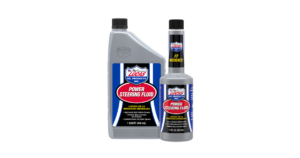 At first, I thought something major had failed, but after a quick inspection, the culprit was simply low power steering fluid. Since then, checking power steering fluid has become part of my regular vehicle maintenance routine. The process takes less than five minutes and can help prevent costly steering repairs.
In this guide, I’ll explain exactly how to check power steering fluid, what warning signs to watch for, how different fluid types compare, and what products are worth buying if your vehicle requires a refill.
What Is Power Steering Fluid?
Power steering fluid is a specialized hydraulic fluid used in many vehicles to make steering easier and smoother. When you turn the steering wheel, the fluid transmits hydraulic pressure through the steering system, reducing the effort required to turn the wheels.
Without enough fluid, your steering can become:
- Heavy
- Noisy
- Jerky
- Less responsive
In severe cases, low fluid levels can damage expensive steering components such as:
- Power steering pumps
- Steering racks
- Hoses
- Seals
Why Checking Power Steering Fluid Matters
Many vehicle owners never inspect their power steering system until something goes wrong. From personal experience, checking fluid regularly offers several benefits:
✓ Smoother steering
✓ Longer component life
✓ Lower repair costs
✓ Early leak detection
✓ Better vehicle safety
A quick monthly inspection can save hundreds or even thousands of dollars in repair expenses.
Signs Your Power Steering Fluid May Be Low
Before checking the reservoir, your vehicle may already be showing symptoms.
Common Warning Signs
1. Steering Wheel Feels Heavy
The most obvious symptom is increased steering effort.
2. Whining Noise
A whining or groaning sound while turning often indicates low fluid.
3. Squealing During Turns
Some vehicles emit squealing noises when fluid levels drop significantly.
4. Steering Wheel Vibration
The wheel may vibrate or feel rough while turning.
5. Fluid Under the Vehicle
Red, amber, or pink fluid spots beneath the car can indicate a leak.
6. Dashboard Warning Light
Some modern vehicles display a steering system warning.
Tools Needed to Check Power Steering Fluid
Fortunately, checking the fluid requires very little equipment.
| Tool | Purpose |
| Clean rag | Wipe the dipstick and reservoir |
| Flashlight | Better visibility |
| Gloves | Keep hands clean |
| Owner’s manual | Verify fluid type |
| Funnel | Refill fluid if necessary |
Step-by-Step: How To Check Power Steering Fluid
Step 1: Park on a Level Surface
Ensure the vehicle is parked on flat ground. Set the parking brake and turn off the engine.
Some manufacturers recommend checking with the engine warm, while others specify cold. Always verify in your owner’s manual.
Step 2: Locate the Reservoir
Open the hood. Look for the power steering fluid reservoir. It is usually:
- Near the engine
- Connected to steering hoses
- Marked with a steering wheel icon or labeled “Power Steering”
Common reservoir colors include:
- Black
- White
- Translucent plastic
Step 3: Clean the Reservoir Cap
Before opening, wipe dirt away using a clean cloth.
This prevents contaminants from entering the hydraulic system.
Step 4: Remove the Cap
Unscrew or pull off the reservoir cap.
Many vehicles include a built-in dipstick attached to the cap.
Step 5: Check Fluid Level
Observe the markings:
- MIN
- MAX
Or
- COLD
- HOT
The fluid should sit within the recommended range. If below the minimum mark, a refill may be necessary.
Step 6: Inspect Fluid Condition
Healthy power steering fluid should appear:
- Clear
- Red
- Pink
- Light amber
Avoid ignoring fluid that looks:
- Dark brown
- Black
- Milky
- Burnt
Contaminated fluid often indicates internal wear or overdue maintenance.
Step 7: Reinstall the Cap
After inspection:
- Replace cap securely
- Close hood
- Record maintenance date
What Healthy vs Bad Power Steering Fluid Looks Like
| Condition | Appearance | Action Needed |
| Excellent | Clear red or pink | No action |
| Good | Light amber | Monitor |
| Fair | Dark amber | Consider replacement |
| Poor | Brown or black | Flush system |
| Contaminated | Milky or foamy | Immediate inspection |
My Personal Experience Checking Power Steering Fluid
The first time I checked mine, I was surprised at how simple the process was. After hearing a faint whining sound during parking maneuvers, I opened the hood and discovered the fluid level sat just below the minimum mark.
Adding the correct manufacturer-approved fluid immediately improved steering feel. The noise disappeared within minutes. Since then, I inspect the power steering fluid every month and before long road trips. The biggest lesson I learned is that small maintenance checks prevent major repair bills.
Common Mistakes Drivers Make
Using the Wrong Fluid
Not all vehicles use the same power steering fluid. Some require:
- ATF (Automatic Transmission Fluid)
- Synthetic power steering fluid
- Manufacturer-specific fluid
Always verify requirements first.
Overfilling the Reservoir
Too much fluid can create:
- Pressure issues
- Foaming
- Leaks
Fill only to the recommended mark.
Ignoring Small Leaks
Even minor leaks worsen over time. A small drip today can become a failed steering pump tomorrow.
Checking Incorrectly
Some vehicles require:
- Engine running
- Warm fluid
- Cold fluid
Always follow the manufacturer’s instructions.
Power Steering Fluid Types Comparison
Comparison Table
| Fluid Type | Best For | Advantages | Disadvantages |
| Conventional Power Steering Fluid | Older vehicles | Affordable | Shorter lifespan |
| Synthetic Power Steering Fluid | Modern vehicles | Better protection | Higher cost |
| ATF-Based Fluid | Certain manufacturers | Excellent lubrication | Not universal |
| Manufacturer-Specific Fluid | Newer vehicles | Optimal compatibility | More expensive |
| Universal Fluid | Mixed vehicle fleets | Convenient | Not ideal for all systems |
How Often Should You Check Power Steering Fluid?
I recommend:
| Driving Condition | Inspection Frequency |
| Normal commuting | Monthly |
| Heavy towing | Every 2 weeks |
| Long road trips | Before every trip |
| Older vehicles | Every 2 weeks |
| High-mileage vehicles | Monthly |
Most manufacturers suggest replacing the fluid between:
50,000–100,000 miles
However, severe driving conditions may require earlier service.
Can You Drive With Low Power Steering Fluid?
Technically, yes, but it is not recommended. Driving with low fluid may cause:
- Steering pump failure
- Seal damage
- Rack-and-pinion wear
- Increased repair costs
If the steering suddenly becomes difficult, inspect the system immediately.
Buyer’s Guide: Choosing the Right Power Steering Fluid
Buying power steering fluid seems simple until you encounter dozens of options. Here are the factors I consider before purchasing.
1. Vehicle Compatibility
Always prioritize compatibility.
Check:
- Owner’s manual
- Reservoir cap markings
- Manufacturer recommendations
This is more important than brand loyalty.
2. Synthetic vs Conventional
Synthetic
Pros:
- Better temperature stability
- Longer lifespan
- Improved wear protection
Cons:
- Higher price
Conventional
Pros:
- Lower cost
- Widely available
Cons:
- More frequent replacement
For most modern vehicles, I prefer synthetic formulations.
3. Temperature Performance
Drivers in extreme climates should prioritize fluids designed for:
- Cold starts
- High heat resistance
This ensures consistent steering performance year-round.
4. Anti-Wear Additives
Quality fluids contain additives that reduce:
- Friction
- Corrosion
- Pump wear
Premium products often provide superior protection.
5. Leak Protection
Some formulas include seal conditioners. These additives may help reduce minor seepage in older vehicles.
Best Situations for Synthetic Power Steering Fluid
Synthetic products are especially useful when:
- Vehicles exceed 100,000 miles
- Driving in extreme temperatures
- Frequent towing
- Long-distance commuting
- Performance driving
The improved durability often offsets the higher purchase price.
Power Steering Maintenance Tips
To extend the steering system life:
Check Monthly
Routine inspections catch problems early.
Inspect Hoses
Look for:
- Cracks
- Wet spots
- Leaks
Keep Reservoir Clean
Prevent dirt contamination.
Address Noises Immediately
Whining sounds often indicate developing problems.
Replace Old Fluid
Fresh fluid improves lubrication and steering performance.
When To Seek Professional Help
Contact a mechanic if you notice:
- Persistent fluid loss
- Foamy fluid
- Heavy steering
- Grinding noises
- Fluid contamination
- Steering warning lights
Professional diagnosis can prevent more serious damage.
Electric Power Steering vs Hydraulic Power Steering
Many newer vehicles now use electric power steering.
| Feature | Hydraulic Steering | Electric Steering |
| Uses Fluid | Yes | No |
| Maintenance | Fluid checks required | Minimal |
| Complexity | Moderate | High |
| Efficiency | Lower | Higher |
| Fuel Economy | Slightly reduced | Improved |
If your vehicle uses electric power steering, there may be no fluid reservoir at all.
Read More: Cooling Fan Stays On When Car Is Off
FAQs: How To Check For Power Steering Fluid
1. How do I know if my power steering fluid is low?
Common signs include whining noises, heavy steering, vibration while turning, and fluid levels below the minimum mark on the reservoir.
2. Can I check power steering fluid when the engine is cold?
Yes, many vehicles allow cold checks, but always follow your owner’s manual instructions.
3. What color should power steering fluid be?
Healthy fluid is typically red, pink, or light amber and appears clear.
4. How often should I check power steering fluid?
Most experts recommend checking it at least once per month.
5. Can low power steering fluid damage my car?
Yes. Prolonged operation with low fluid can damage the pump, seals, hoses, and steering rack.
6. Is power steering fluid the same as transmission fluid?
Not always. Some vehicles use ATF, while others require specialized power steering fluid.
7. What happens if I overfill the reservoir?
Overfilling may cause foaming, leaks, and pressure-related problems.
8. Why is my power steering fluid foamy?
Foamy fluid usually indicates air entering the system due to leaks or low fluid levels.
9. Should power steering fluid be replaced?
Yes. Although often overlooked, fluid replacement helps maintain system performance and longevity.
10. Do all cars have power steering fluid?
No. Vehicles equipped with electric power steering systems do not use power steering fluid.
11. How long does power steering fluid last?
Depending on driving conditions, fluid can last between 50,000 and 100,000 miles before replacement is recommended.
12. Can I mix different power steering fluids?
Mixing fluids is generally not recommended unless the manufacturer specifically approves it.
13. What causes power steering fluid leaks?
Common causes include worn hoses, aging seals, damaged reservoirs, and failing steering racks.
14. Is dark power steering fluid bad?
Dark brown or black fluid often indicates contamination, oxidation, or excessive wear and should be replaced.
15. Can I drive if my steering wheel suddenly becomes hard to turn?
Drive only if necessary and inspect the steering system immediately, as low fluid or component failure may be present.
Final Verdict
Checking power steering fluid is one of the easiest and most valuable maintenance tasks any vehicle owner can perform.
After years of vehicle ownership, I’ve found that a simple monthly inspection helps prevent expensive steering repairs, improves driving comfort, and provides peace of mind before long trips.
The process takes only a few minutes, requires almost no tools, and can reveal issues before they become serious. Whether you drive a compact sedan, pickup truck, SUV, or performance vehicle, regularly checking power steering fluid is a habit worth developing.
A properly maintained steering system not only saves money but also helps keep your vehicle safer and more enjoyable to drive.