If your car starts leaking fuel, smelling like gasoline, or triggering warning lights, there’s a good chance the fuel tank might be damaged or worn out. While most drivers never think about the fuel tank until something goes wrong, it’s one of the most important components in any vehicle.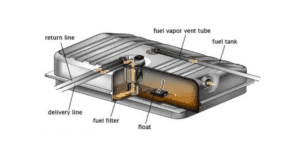 So the big question is: How much does a fuel tank for a car cost? The short answer is that a replacement fuel tank typically costs between $200 and $1,200, depending on the vehicle, tank material, and labor costs.
In this complete guide, I’ll walk you through fuel tank prices, replacement costs, tank types, warning signs, and buying tips, so you know exactly what to expect before visiting a mechanic.
Average Car Fuel Tank Cost
The price of a fuel tank varies widely depending on the vehicle type, fuel capacity, and whether the tank is made from plastic or metal.
Car Fuel Tank Cost Comparison
| Vehicle Type | Fuel Tank Price | Labor Cost | Total Replacement Cost |
| Small Cars | $200 – $500 | $150 – $400 | $350 – $900 |
| Sedans | $300 – $700 | $200 – $450 | $500 – $1,100 |
| SUVs | $400 – $900 | $250 – $500 | $650 – $1,400 |
| Pickup Trucks | $500 – $1,200 | $300 – $600 | $800 – $1,800 |
In many vehicles, the fuel tank is located under the rear seats or trunk area, which means replacing it can require removing protective shields and fuel lines.
What Is a Fuel Tank in a Car?
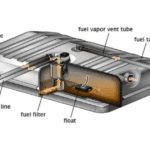
The fuel tank is the component that stores gasoline or diesel before it’s delivered to the engine through the fuel system. Modern fuel tanks are designed to:
- Store fuel safely
- Prevent leaks
- Control fuel vapor emissions
- Protect against corrosion
- Maintain fuel pressure
Fuel tanks connect to several other components, including:
- Fuel pump
- Fuel lines
- Evaporative emission system
- Fuel gauge sensor
Because of these connections, replacing a fuel tank can sometimes involve additional parts.
Types of Car Fuel Tanks
There are two main types of fuel tanks used in modern vehicles.
Plastic Fuel Tanks
Most modern cars use high-density polyethylene plastic fuel tanks.
Advantages
- Lightweight
- Rust-resistant
- Cheaper to manufacture
- Durable in crashes
Disadvantages
- Can crack from impact
- More difficult to repair
Plastic fuel tanks typically cost $200 to $700, depending on the vehicle.
Steel Fuel Tanks
Older vehicles and some heavy-duty trucks use steel fuel tanks.
Advantages
- Extremely durable
- Can be repaired by welding
- Handles heavy-duty use
Disadvantages
- Susceptible to rust
- Heavier than plastic tanks
Steel fuel tanks usually cost $300 to $900.
What Affects Fuel Tank Cost?
Several factors determine how much you’ll pay for a replacement fuel tank.
1. Vehicle Make and Model
Luxury vehicles and large trucks often have more complex fuel systems. For example:
- Economy car fuel tank: $200–$400
- Mid-size SUV tank: $400–$800
- Pickup truck tank: $500–$1,200
Some trucks even have dual fuel tanks, which significantly increases replacement costs.
2. Fuel Tank Capacity
The larger the tank, the higher the price. Common capacities include:
- Small cars: 12–14 gallons
- Sedans: 14–18 gallons
- SUVs: 18–24 gallons
- Pickup trucks: 20–36 gallons
Larger tanks require more material and stronger mounting brackets.
3. Labor Costs
Fuel tank replacement is a moderately complex job. A mechanic may need to:
- Drain the fuel
- Remove fuel lines
- Disconnect the fuel pump
- Lower the fuel tank
- Install a new tank
Labor typically takes 2 to 4 hours. Average labor cost:
$200 – $600
4. Additional Parts
Sometimes replacing the tank also requires replacing other parts, such as:
- Fuel pump
- Fuel sending unit
- Fuel straps
- Vapor lines
These additional components can increase the total repair bill.
Signs Your Car’s Fuel Tank Needs Replacement
Fuel tanks rarely fail suddenly, but several warning signs can indicate a problem.
Fuel Smell Around the Car
A strong gasoline smell may indicate a fuel tank leak or a damaged vapor line.
Fuel Leaking Under the Car
If you notice gasoline dripping under your vehicle, the tank may be cracked or corroded.
Check Engine Light
Fuel tank problems can trigger the check engine light due to issues with the evaporative emission system.
Fuel Gauge Problems
If your fuel gauge gives incorrect readings, the fuel sending unit inside the tank may be damaged.
Visible Rust or Damage
Metal tanks may develop rust over time, especially in areas with harsh weather conditions.
Can a Fuel Tank Be Repaired?
In some cases, yes. Minor problems such as small holes or cracks can sometimes be repaired using:
- Fuel tank sealants
- Epoxy repair kits
- Welding (for metal tanks)
However, mechanics usually recommend replacing the tank entirely for safety reasons.
How Long Do Car Fuel Tanks Last?
Most modern fuel tanks last 15 to 20 years or longer. Plastic fuel tanks often last the entire lifespan of the vehicle.
However, damage from:
- Road debris
- Rust
- Accidents
- Improper repairs
can shorten their lifespan.
Fuel Tank Buyer’s Guide
If you need to replace your car’s fuel tank, here are some important factors to consider before buying one.
1. Compatibility
Always choose a fuel tank designed for your specific vehicle make and model. Incorrect tanks may not fit properly or connect with fuel lines correctly.
2. Material Quality
Look for tanks made from:
- High-density polyethylene (HDPE)
- Corrosion-resistant steel
Quality materials ensure long-term durability.
3. OEM vs Aftermarket
You’ll typically choose between two options.
OEM Fuel Tanks
Original parts from the vehicle manufacturer.
Pros:
- Perfect fit
- High reliability
Cons:
- More expensive
Aftermarket Fuel Tanks
Third-party replacement tanks.
Pros:
- Lower cost
- Widely available
Cons:
- Quality varies by brand
4. Warranty
A good replacement fuel tank should come with a 1–5 year warranty. This protects you against manufacturing defects.
5. Installation Requirements
Some tanks are simple bolt-on replacements, while others require:
- New mounting straps
- Fuel pump transfer
- Sensor replacement
Check what parts are included before purchasing.
DIY vs Professional Fuel Tank Replacement
Replacing a fuel tank yourself is possible, but it’s not recommended unless you have mechanical experience. The job involves:
- Handling gasoline safely
- Disconnecting fuel lines
- Lifting the vehicle
For most drivers, professional installation is the safer option.
Ways to Save Money on Fuel Tank Replacement
Fuel tank replacement can be expensive, but there are ways to reduce the cost.
Buy an Aftermarket Tank
Aftermarket tanks can be 30–50% cheaper than OEM parts.
Replace Related Parts Together
If the fuel pump is old, replacing it during tank replacement saves labor later.
Compare Mechanic Quotes
Labor costs vary significantly between repair shops.
Read More: How To Check My Oil In My Car
FAQs: How Much Is A Fuel Tank For A Car
How much does it cost to replace a fuel tank in a car?
Most fuel tank replacements cost $500 to $1,200 total, including parts and labor.
Can you drive with a damaged fuel tank?
No. Driving with a leaking fuel tank is dangerous because gasoline is highly flammable.
You should repair the problem immediately.
How long does it take to replace a fuel tank?
Fuel tank replacement typically takes 2 to 4 hours, depending on the vehicle.
What causes fuel tanks to fail?
Common causes include:
- Rust
- Road debris
- Accidents
- Corrosion
- Old age
Is replacing a fuel tank worth it?
Yes. If the rest of the vehicle is in good condition, replacing the fuel tank is usually much cheaper than buying a new car.
Final Thoughts
The fuel tank is a critical part of your vehicle’s fuel system, and while it’s built to last many years, damage or corrosion can eventually require replacement.
Most drivers can expect to spend between $500 and $1,200 for a full fuel tank replacement, depending on the vehicle and labor costs.
The good news is that modern fuel tanks are designed for durability, and with proper care, they can last the entire lifetime of your vehicle.
If you notice fuel leaks, strong gasoline smells, or warning lights, it’s best to have the fuel system inspected immediately to avoid safety risks.