If you’ve ever accidentally filled your car with the wrong fuel, dealt with contaminated gasoline, or needed to clean out your fuel system, you’ve probably wondered: how do I safely drain a fuel tank?
I’ve been there myself, standing in a garage, frustrated, realizing I’d just put diesel in a petrol car. Not a great moment. But after going through the process (and learning a few lessons the hard way), I can tell you this: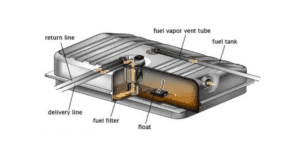 Draining a fuel tank isn’t complicated, but it does require care, patience, and the right approach. In this guide, I’ll walk you through everything I’ve learned from different methods to drain a fuel tank, to tools you’ll need, safety precautions, and even a buyer’s guide if you’re planning to purchase equipment.
Whether you’re a DIY beginner or a seasoned car enthusiast, this article will help you do it safely and effectively.
Why You Might Need to Drain a Fuel Tank
Before diving in, let’s quickly look at common reasons:
- Wrong fuel added (petrol vs diesel mix-up)
- Contaminated or old fuel
- Preparing a car for long-term storage
- Fuel system repairs
- Cleaning sludge or debris from the tank
Trust me, if you’re dealing with bad fuel, draining it quickly can save you a lot of money in repairs.
Methods to Drain a Fuel Tank (Comparison Table)
| Method | Difficulty | Tools Needed | Time Required | Safety Level | Best For |
| Siphoning (Manual) | Easy | Siphon pump/hose | 20–40 mins | Medium | Small jobs, quick removal |
| Fuel Pump Method | Medium | Basic tools, wiring | 30–60 mins | Medium | Modern cars |
| Drain Plug (If Exists) | Easy | Wrench/container | 15–30 mins | High | Older vehicles |
| Tank Removal | Hard | Jack, tools, helper | 2–4 hours | High | Deep cleaning or repairs |
Method 1: Siphoning Fuel (The Easiest Way)
This is the method I personally prefer for quick jobs.
What You’ll Need:
- Siphon pump or clear hose
- Fuel-safe container
- Gloves and safety glasses
Steps:
- Insert the siphon hose into the fuel tank.
- Place the other end into your container.
- Start the siphon (manual pump is safest).
- Let gravity do the work.
My Experience:
This worked perfectly when I had to remove contaminated fuel. However, modern cars often have anti-siphon valves, which can make this tricky.
Method 2: Using the Fuel Pump
Modern cars make siphoning difficult, so this method is often more effective.
Steps:
- Locate the fuel pump fuse or relay.
- Disconnect the fuel line.
- Reconnect the battery temporarily.
- Turn the ignition to activate the pump.
- Fuel will flow into your container.
Important Tip:
Be careful,l fuel pumps are powerful, and fuel flows fast.
My Experience:
This method felt more “professional,” but also riskier. If you’re not comfortable working with fuel lines, proceed cautiously.
Method 3: Using the Drain Plug
Some older vehicles have a dedicated drain plug under the tank.
Steps:
- Place a container underneath.
- Unscrew the drain plug carefully.
- Let the fuel drain completely.
My Experience:
Honestly, this is the easiest method, but not common in newer cars.
Method 4: Removing the Fuel Tank
This is the most thorough but also the most labor-intensive.
Steps:
- Safely lift the car using a jack.
- Disconnect fuel lines and wiring.
- Remove mounting straps.
- Lower the tank carefully.
- Drain and clean.
My Experience:
I only recommend this if you’re doing repairs or deep cleaning. It’s a big job.
Safety Tips You Should NEVER Ignore
Working with fuel is dangerous, so no shortcuts here.
- Work in a well-ventilated area
- Keep fire extinguishers nearby
- Avoid sparks or open flames
- Wear gloves and eye protection
- Use approved fuel containers only
I learned this the hard way: fuel fumes build up quickly and can be hazardous.
Tools You Might Need
- Siphon pump
- Fuel-safe containers
- Socket set
- Jack and Jack stand
- Safety gloves and goggles
Buyer’s Guide: Choosing the Right Tools
If you’re planning to drain fuel more than once, investing in the right tools is worth it.
1. Siphon Pumps
Look for:
- Manual pump (safer than mouth siphoning)
- Anti-static material
- Transparent hose
2. Fuel Containers
- Must be certified for fuel storage
- Leak-proof design
- Easy-pour spout
3. Safety Gear
- Chemical-resistant gloves
- Protective eyewear
4. Jack & Stands (If Removing Tank)
- Strong weight capacity
- Stability is critical
Common Mistakes to Avoid
From personal experience, avoid these:
- ❌ Trying to siphon by mouth (very dangerous)
- ❌ Using non-approved containers
- ❌ Ignoring ventilation
- ❌ Disconnecting fuel lines without depressurizing
- ❌ Working near sparks or electronics
My Honest Experience
The first time I drained a fuel tank, I underestimated how messy and potentially dangerous it could be. Fuel spilled, fumes built up, and I realized quickly that preparation is everything.
Now, I always:
- Use a proper siphon pump
- Work outdoors
- Keep everything organized
It’s not just about getting the job done it’s about doing it safely.
When You Should Call a Professional
Sometimes, DIY isn’t the best option. Consider a mechanic if:
- You’re unsure about your car’s fuel system
- The tank is hard to access
- You’re dealing with a full tank
- You smell strong fumes indoors
Environmental Responsibility
Don’t just dump fuel; it’s harmful and illegal in many places. Proper disposal options:
- Local recycling centers
- Hazardous waste facilities
- Auto repair shops
Read More: Car Carburetor Diagram
FAQs: How To Drain A Fuel Tank On A Car
1. Can I drain a fuel tank without removing it?
Yes, using a siphon pump or fuel pump method.
2. Is it safe to siphon fuel?
Yes, if you use a proper pump, not your mouth.
3. How long does it take?
Anywhere from 20 minutes to several hours, depending on the method.
4. Can bad fuel damage my engine?
Absolutely, it can clog injectors and damage internal components.
5. Do all cars have drain plugs?
No, most modern cars do not.
6. What should I do with old fuel?
Take it to a recycling or hazardous waste facility.
7. Can I reuse drained fuel?
Only if it’s clean and uncontaminated.
Final Thoughts
Draining a fuel tank isn’t something you do every day,y but when you need to do it, doing it right matters. From my experience, the safest and easiest method is using a siphon pump if your car allows it.
For modern vehicles, the fuel pump method is often your best bet. Take your time, stay safe, and don’t cut corners. A little caution goes a long way when dealing with fuel.