If your car has been acting a little “off” lately, burning more fuel than usual, idling rough, or flashing that dreaded check engine light, there’s a good chance your oxygen sensor might be to blame.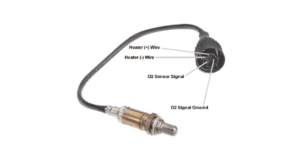 I’ve personally dealt with a failing oxygen sensor, and it’s one of those sneaky issues that starts small but can snowball into bigger problems if ignored. The tricky part? The symptoms can feel like a bunch of unrelated problems.
In this guide, I’ll walk you through exactly what happens when an oxygen sensor goes bad, how your car behaves, and what you should do about it all in a simple, practical, and real-world way.
What Is an Oxygen Sensor?
Before diving into the symptoms, let’s quickly break it down. An oxygen (O2) sensor measures the amount of oxygen in your car’s exhaust gases. It sends this data to the engine control unit (ECU), which then adjusts the air-fuel mixture for optimal performance.
👉 In short:
It helps your engine run efficiently, cleanly, and economically.
⚠️ What Happens When an Oxygen Sensor Goes Bad?
When the oxygen sensor fails, your car essentially loses its ability to “fine-tune” fuel delivery. This leads to a variety of noticeable issues. Let’s break down the most common symptoms you’ll experience.
Common Signs of a Bad Oxygen Sensor
1. Check Engine Light Turns On
This is usually the first sign.
- The ECU detects irregular readings
- It stores an error code (like P0130–P0167)
- Your dashboard lights up
👉 This doesn’t always mean the sensor is completely dead, but it’s often the starting point.
2. Poor Fuel Economy
One of the biggest and most noticeable effects.
- The engine may run too rich (too much fuel)
- Or too lean (too little fuel)
💡 Result: You’ll visit the fuel station more often.
3. Rough Idling or Engine Misfire
If your car feels shaky when stopped:
- The air-fuel mixture is off
- Combustion becomes inconsistent
👉 This can feel like your engine is “struggling to breathe.”
4. Loss of Engine Performance
You may notice:
- Sluggish acceleration
- Reduced power when climbing hills
- Delayed throttle response
This happens because the engine isn’t getting the correct fuel mix.
5. Increased Exhaust Emissions
A bad oxygen sensor can cause:
- Higher levels of harmful gases
- Failed emissions tests
👉 Not only bad for the environment, but it can also be illegal in some regions.
6. Strong Fuel Smell from Exhaust
If you smell raw fuel:
- Your engine is likely running rich
- Unburned fuel exits through the exhaust
7. Engine Stalling or Hesitation
In severe cases:
- The car may stall unexpectedly
- Hesitation during acceleration becomes obvious
Comparison Table: Healthy vs Bad Oxygen Sensor
| Feature | Healthy Oxygen Sensor | Bad Oxygen Sensor |
| Fuel Efficiency | Optimal | Poor |
| Engine Performance | Smooth & responsive | Sluggish & inconsistent |
| Exhaust Emissions | Low | High |
| Check Engine Light | Off | Often On |
| Fuel Smell | Normal | Strong fuel odor |
| Idling | Smooth | Rough or unstable |
| Long-Term Engine Health | Protected | Risk of damage |
Real-World Experience (Personal Insight)
From my own experience, the first thing I noticed wasn’t the check engine light; it was the drop in fuel efficiency.
I went from getting decent mileage to wondering why I was refueling so often. Then came the rough idle, especially at traffic lights. Finally, the check engine light confirmed something was wrong.
After scanning the car, it turned out to be a faulty oxygen sensor. Replacing it instantly improved:
- Fuel economy
- Engine smoothness
- Overall responsiveness
👉 It’s one of those repairs that feels immediately rewarding.
Why You Shouldn’t Ignore a Bad Oxygen Sensor
Ignoring it can lead to:
Catalytic Converter Damage
A rich fuel mixture can overheat and destroy your catalytic converter an expensive repair.
Higher Fuel Costs
You’ll waste money every time you fill up.
Engine Wear and Tear
Improper combustion can stress engine components.
Buyer’s Guide: Choosing the Right Oxygen Sensor
If you’re planning to replace your oxygen sensor, here’s what you should look for:
1. OEM vs Aftermarket
- OEM (Original Equipment Manufacturer):
- Perfect fit
- Reliable performance
- More expensive
- Aftermarket:
- More affordable
- Quality varies
👉 Tip: Stick with trusted brands if going aftermarket.
2. Compatibility
Make sure the sensor:
- Matches your car’s make and model
- Fits the correct position (upstream or downstream)
3. Sensor Type
- Heated oxygen sensors (HO2S) are most common
- Faster response time = better efficiency
4. Ease of Installation
Some sensors come:
- Pre-greased threads
- Plug-and-play connectors
👉 Saves time and effort.
5. Price Range
- Budget: $20–$50
- Mid-range: $50–$100
- Premium: $100+
👉 Don’t always go for the cheapest; quality matters here.
Can You Drive with a Bad Oxygen Sensor?
Technically, yes, but it’s not recommended. Short-term driving may be okay, but long-term risks include:
- Engine damage
- Catalytic converter failure
- Increased fuel costs
👉 Best practice: Fix it as soon as possible.
When Should You Replace an Oxygen Sensor?
Typical lifespan:
- 60,000 to 100,000 miles (96,000–160,000 km)
But replace sooner if:
- Symptoms appear
- Check engine codes point to it
How to Diagnose a Bad Oxygen Sensor
You can check it by:
1. Using an OBD-II Scanner
- Look for codes like P0130, P0141, etc.
2. Monitoring Fuel Consumption
- Sudden drop = warning sign
3. Visual Inspection
- Check for carbon buildup or damage
Long-Term Impact on Your Car
A faulty oxygen sensor doesn’t just affect performance; it impacts the entire system.
Over time, it can:
- Reduce engine lifespan
- Increase maintenance costs
- Lower resale value
Read More: Car Expansion Valve Stuck Open Symptoms
FAQs: What Does A Car Do When The Oxygen Sensor Is Bad
1. Can a bad oxygen sensor damage the engine?
Yes, especially over time. It can lead to improper combustion and wear.
2. How much does it cost to replace an oxygen sensor?
Typically between $100–$300, including labor.
3. Will a bad oxygen sensor cause a car to fail emissions?
Absolutely. It directly affects exhaust emissions.
4. How many oxygen sensors does a car have?
Most modern cars have 2 to 4 sensors.
5. Can I replace it myself?
Yes, if you have basic tools and access, but some sensors are hard to reach.
6. Does a bad oxygen sensor affect starting?
Not usually, but it can cause rough running after startup.
7. Is it urgent to fix?
Yes. Delaying can lead to costly repairs.
Final Thoughts
A bad oxygen sensor might seem like a minor issue, but it has a major impact on how your car runs. From poor fuel economy to long-term engine damage, it’s not something to ignore.
The good news? It’s usually an affordable and straightforward fix that can instantly improve your car’s performance.