I’ll be honest, checking engine oil used to feel like one of those “optional” maintenance tasks. Until one day, my car started making a faint ticking noise at idle. Nothing dramatic. Just different.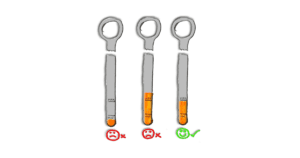 When I finally checked the dipstick, the oil level was barely touching the minimum mark. That tiny habit, taking five minutes to checkthe oil level, can literally save you thousands of dollars in engine repairs.
Engine oil is the lifeblood of your vehicle. Without proper lubrication:
- Engine parts overheat
- Metal components grind together
- Performance drops
- Fuel efficiency suffers
- Engine damage becomes inevitable
The good news? Checking oil level is one of the easiest DIY maintenance tasks anyone can do — even if you know nothing about cars. In this complete guide, we’ll cover:
- Why engine oil level matters
- Step-by-step instructions
- How to read a dipstick correctly
- Whatdoes the oil color means
- Comparison table of oil types
- Common mistakes
- Buyer’s guide for choosing engine oil
- FAQs
Let’s get started.
Why Checking Oil Level Is So Important
Your engine has dozens of moving metal parts operating at high speeds and temperatures. Engine oil:
- Lubricates components
- Reduces friction
- Cool internal parts
- Cleans debris
- Prevents corrosion
Low oil level can cause:
- Engine knocking
- Overheating
- Seized engine
- Complete engine failure
High oil level can also be dangerous because it can:
- Cause foaming
- levelsase pressure
- Damage seals
Maintheyining the correct oil level is critical.
When Should You Check Oil Level?
Best practice:
- Once a month
- Before long road trips
- After the oil change
- If the warning light appears
Check when:
- Engine is cool (or warm but off for 5–10 minutes)
- The vehicle is parked on level ground
Step-By-Step: How To Check Oil Level
This takes about five minutes.
Step 1: Park on Level Ground
Oil settles evenly only when the car is flat.
Step 2: Turn Off the Engine
Wait 5–10 minutes to allow oil to drain back into oil pan.
Step 3: Open the Hood
Locate the dipstick. It usually has:
- Bright yellow, orange, or red handle
Step 4: Pull Out the Dipstick
Wipe it clean with:
- Paper towel
- Clean cloth
This removes splashed oil for accurate reading.
Step 5: Reinsert the dipstick fully
Push it all the way back in.
Step 6: Pull It Out Again and Read
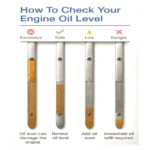
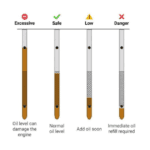
Look at the oil level between:
- MIN mark
- MAX mark
Ideal level: Near the top but not above MAX.
Step 7: Check Oil Color
Healthy oil:
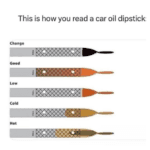
- Amber or light brown
Dirty oil:
- Dark brown or black
Milky oil:
- Possible coolant contamination
How To Read the Dipstick Correctly
Dipsticks vary by manufacturer. You may see:
- Cross-hatched area
- Two dots
- MIN/MAX lines
Oil should sit within a safe range.
If below minimum:
Add small amounts (half quart at a time).
If above maximum:
Drain excess oil.
Comparison Table: Types of Engine Oil
| Oil Type | Protection Level | Best For | Price Range | Change Interval |
| Conventional Oil | Basic | Older engines | Low | 3,000–5,000 miles |
| Synthetic Blend | Moderate | Daily drivers | Medium | 5,000–7,500 miles |
| Full Synthetic | High | Modern engines | Higher | 7,500–10,000+ miles |
| High Mileage Oil | Enhanced seal protection | 75,000+ miles vehicles | Medium | 5,000–7,500 miles |
Signs Your Oil Level Is Low
- Oil warning light
- Engine ticking noise
- Burning smell
- Poor acceleration
- Overheating
Never ignore oil warning lights.
Common Mistakes When Checking Oil
- Checking on uneven ground
- Not wiping the dipstick before reading
- Checking immediately after shutting the engine off
- Overfilling oil
- Ignoring oil color
Even experienced drivers make these mistakes.
What Happens If Oil Level Is Too Low?
Low oil causes:
- Increased friction
- Higher engine temperature
- Bearing damage
- Piston scoring
- Camshaft wear
Severe cases lead to engine seizure.
What Happens If Oil Level Is Too High?
Too much oil can:
- Cause crankshaft to whip oil into foam
- Reduce lubrication efficiency
- Damage seals and gaskets
- Increase oil consumption
Balance is key.
Buyer’s Guide: Choosing the Right Engine Oil
If your oil level is low, you’ll need to top up. But choosing the correct oil matters.
1. Check Owner’s Manual
Look for viscosity rating like:
- 5W-30
- 0W-20
- 10W-40
Using wrong viscosity can affect performance.
2. Consider Climathe te
Cold climate:
- Lower winter rating (0W or 5W)
Hot climate:
- Higher viscosity protection
3. Synthetic vs Conventional
Full synthetic offers:
- Better high-temperature protection
- Cleaner engine
- Longer lifespan
It costs more but often worth it.
4. Mileage Condition
High mileage oil helis ps:
- Reduce leaks
- Condition seals
- Minimize consumption
5. Certifications
Look for:
- API certification
- Manufacturer approvals
Long Expansion: Understanding Engine Oil Science (Deep Dive)
To truly understand oil level importance, you need to understand what oil does inside the engine. Engines operate under extreme conditions:
- Temperatures over 200°F
- Metal components moving thousands of times per minute
- High-pressure combustion
Without lubrication, metal surfaces would weld together. Engine oil creates a thin protective film between:
- Pistons and cylinder walls
- Crankshaft bearings
- Camshaft lobes
- Valve lifters
Modern engine oil contains additives:
- Detergents (clean sludge)
- Anti-wear agents (zinc compounds)
- Dispersants (hold contaminants)
- Friction modifiers
- Corrosion inhibitors
Over time, oil degrades due to:
- Heat breakdown
- Fuel dilution
- Moisture contamination
- Oxidation
When oil level drops, not enough lubrication circulates. Oil pthe umps rely on adequate volume. If oil is low:
- Air enters the system
- Pressure drops
- Bearings starve
This is why even slightly low oil levels can cause long-term damage. Modern engines are more sensitive because:
- Tighter tolerances
- Turbochargers
- Variable valve timing systems
Turbocharged engines especially rely on consistent oil flow for cooling. Neglecting oil checks leads to:
- Sludge buildup
- Reduced fuel economy
- Increased emissions
- Premature engine failure
Regular oil level checks are preventative maintenance at its simplest.
How Often Should You Add Oil?
Some engines consume oil naturally. Normal consumption:
- 1 quart per 1,000–2,000 miles (varies)
If you constantly add oil:
- Check for leaks
- Inspect PCV system
- Check piston rings
Cost of Ignoring Oil Maintenance
| Issue | Repair Cost |
| Oil leak repair | $150–$800 |
| Timing chain damage | $1,000+ |
| Engine rebuild | $3,000–$6,000 |
| Engine replacement | $4,000–$10,000 |
Five minutes monthly can prevent this.
Read More: How To Read Oil Level On Dipstick
FAQs: How To Check Oil Level
1. Should the engine be hot or cold when checking oil?
Warm but off for 5–10 minutes is ideal.
2. Can I check the oil after driving?
Yes, wait a few minutes for the oil to settle.
3. What color should oil be?
Amber to light brown is healthy.
4. How often should I check oil?
At least once per month.
5. Is it bad to slightly overfill oil?
Yes, it can cause pressure issues.
6. Why is my oil black?
Normal after use, but thick sludge is bad.
7. What if oil smells like gas?
Possible fuel dilution issue.
8. Does oil level affect fuel economy?
Yes, low oil increases friction.
9. Can I mix different oil brands?
Generally, yes, but the same viscosity is recommended.
10. What if the oil level keeps dropping?
Check for leaks or engine burning oil.
Final Thoughts
Checking your oil level is one of the simplest and most powerful habits you can develop as a car owner. It takes five minutes. No special tools. No advanced mechanical knowledge. Just consistency.
Whether you drive daily, occasionally, or on long road trips, maintaining proper engine oil level protects your engine, saves money, and extends vehicle life. If you make this a monthly routine, your engine will thank you for years to come.