If your car has been idling roughly, losing power, or showing that annoying Check Engine Light, your EGR valve might be the hidden culprit. I remember the first time I dealt with a clogged EGR valve.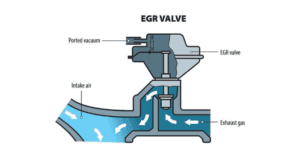 My car felt sluggish, fuel economy dropped noticeably, and I was convinced something serious was wrong. Turns out, it was just carbon buildup choking the system, a common issue that’s surprisingly fixable at home.
Cleaning the EGR valve is one of those maintenance tasks that can:
- Restore engine performance
- Improve fuel efficiency
- Reduce emissions
- Prevent costly repairs
In this complete guide, I’ll walk you through:
- What an EGR valve does
- Symptoms of a dirty EGR valve
- Step-by-step cleaning process
- A comparison table of cleaning methods
- Buyer’s guide for EGR cleaners
- FAQs
Let’s get started.
What Is an EGR Valve?
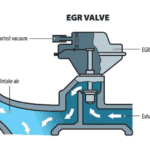
EGR stands for Exhaust Gas Recirculation. The EGR valve recirculates a portion of exhaust gases back into the engine’s intake system. This reduces combustion temperature and lowers nitrogen oxide (NOx) emissions.
Over time, carbon deposits build up inside the valve. When clogged, it can:
- Stick open
- Stick closed
- Operate intermittently
All of which affect engine performance.
Symptoms of a Dirty or Faulty EGR Valve
Before cleaning, look for these signs:
1. Rough Idle
The engine shakes or stalls at stoplights.
2. Poor Fuel Economy
Carbon buildup affects the air-fuel mixture.
3. Check Engine Light
Common codes: P0400–P0409.
4. Engine Knocking
Improper combustion timing.
5. Failed Emissions Test
Increased NOx output.
Tools & Supplies You’ll Need
- Socket set
- Screwdrivers
- EGR valve cleaner spray
- Carburetor cleaner (alternative)
- Wire brush
- Old toothbrush
- Gasket scraper
- New EGR gasket (recommended)
- Safety gloves and eye protection
Step-By-Step: How To Clean EGR Valve
Let’s walk through it carefully.
Step 1: Locate the EGR Valve
Usually located:
- On the intake manifold
- Near the throttle body
- Connected to the exhaust manifold
Consult your vehicle manual if unsure.
Step 2: Disconnect Battery
Always disconnect the negative terminal before working on engine components.
Step 3: Remove the EGR Valve
- Unplug electrical connector
- Remove vacuum hose (if applicable)
- Unbolt mounting bolts
- Carefully remove the valve
Expect some carbon buildup inside.
Step 4: Inspect the Valve
Look for:
- Thick carbon deposits
- Stuck pintle
- Cracked housing
- Damaged diaphragm
If severely damaged, replacement may be necessary.
Step 5: Clean the EGR Valve
- Spray EGR cleaner inside the valve
- Let soak for 10–15 minutes
- Scrub carbon buildup with a brush
- Wipe clean with a cloth
Avoid soaking electronic parts.
Step 6: Clean EGR Passages
Carbon often clogs intake passages. Use:
- Spray cleaner
- Pipe cleaner
- Small brush
Be gentle to avoid debris falling deep inside.
Step 7: Reinstall the Valve
- Install a new gasket
- Bolt valve securely
- Reconnect hoses and wiring
- Reconnect battery
Start the engine and check for a smooth idle.
Comparison Table: EGR Valve Cleaning Methods
| Method | Effectiveness | Cost | Difficulty | Best For |
| Manual Removal & Cleaning | High | Low | Moderate | Heavy carbon buildup |
| Fuel Additive Cleaner | Low–Moderate | Low | Easy | Preventive maintenance |
| Professional Cleaning Service | Very High | High | Easy | Severe clogging |
| Ultrasonic Cleaning | Very High | High | Advanced | Deep carbon removal |
| Replacement | 100% | Highest | Moderate | Damaged valves |
Manual Cleaning vs Fuel Additives
Fuel additives are convenient but not always effective for heavy buildup. From personal experience, once the valve is heavily clogged, removal and manual cleaning are the most reliable solutions. Additives are better for prevention rather than cure.
Buyer’s Guide: Choosing the Best EGR Valve Cleaner
If you’re planning to clean your EGR valve, here’s what to consider.
1. Compatibility
Make sure the cleaner is safe for:
- Throttle body
- Intake manifold
- Catalytic converter
2. Spray Strength
Look for a high-pressure aerosol spray for deeper penetration.
3. Residue Free Formula
Avoid cleaners that leave oily film.
4. Sensor-Safe
Modern engines have sensitive sensors. Choose sensor-safe products.
5. Brand Reputation
Stick to reputable automotive brands for reliability.
When Should You Replace Instead of Clean?
Cleaning works if:
- Valve is clogged but intact
- The electrical connector works
- Diaphragm not damaged
Replace if:
- Valve stuck open permanently
- Electrical failure
- Internal mechanical damage
- Repeated clogging
Long Expansion: Deep Dive Into EGR System Function
To understand cleaning, you must understand combustion. When fuel burns, it creates:
- Carbon dioxide
- Water vapor
- Nitrogen oxides (NOx)
NOx forms at high temperatures. The EGR system lowers combustion temperature by introducing inert exhaust gases into the intake air. However, exhaust contains:
- Carbon particles
- Oil vapor
- Soot
Over time, these form carbon deposits inside:
- EGR valve
- Intake manifold
- EGR cooler (in diesel engines)
When clogged:
- Too much exhaust gas enters the engine → rough idle
- Too little exhaust gas → knocking, high NOx
Electronic EGR valves use sensors and stepper motors. Carbon buildup can restrict movement, causing inconsistent signals to the ECU.
Diesel engines experience heavier buildup due to soot concentration. In turbocharged engines, EGR systems work alongside:
- Intercoolers
- Boost control systems
- DPF (Diesel Particulate Filter)
If EGR fails, other emission components may suffer.
Preventing Future Carbon Buildup
- Use quality fuel
- Avoid short trips frequently
- Drive at highway speeds occasionally
- Use fuel system cleaner periodically
- Follow the manufacturer’s maintenance schedule
Regular maintenance prevents expensive repairs.
How Often Should You Clean the EGR Valve?
Typically every:
- 30,000 to 50,000 miles
But depends on:
- Driving style
- Fuel quality
- Engine type
Diesel engines may require more frequent cleaning.
Cost of Cleaning vs Replacement
| Service | Average Cost |
| DIY Cleaning | $10–$30 |
| Professional Cleaning | $100–$250 |
| EGR Valve Replacement | $250–$800 |
DIY cleaning saves significant money.
Read More: How To Test BMW Oil Level Sensor
FAQs: How To Clean EGR Valve
1. Can I clean the EGR valve without removing it?
Sometimes using a spray cleaner through the intake helps, but full removal is more effective.
2. Will cleaning the EGR valve improve performance?
Yes, especially if it was clogged.
3. Can a bad EGR valve damage the engine?
Yes. It can cause knocking and overheating.
4. Is it safe to drive with a bad EGR valve?
Short-term, yes, but not recommended.
5. What happens ifthe EGR valve is stuck open?
The engine may stall or idle roughly.
6. What happens if stuck closed?
Increased emissions and engine knocking.
7. Does cleaning reset the check engine light?
Sometimes, but codes may need clearing.
8. Can EGR cleaner damage sensors?
Only if sprayed directly onto sensitive electronics.
9. How long does cleaning take?
About 1–2 hours.
10. Do all cars have EGR valves?
Most modern gasoline and diesel engines do.
Final Thoughts
Cleaning your EGR valve is one of the most cost-effective ways to restore engine performance and reduce emissions. With basic tools and patience, you can handle this job at home and avoid expensive mechanic bills.
The key is proper diagnosis, careful removal, and thorough cleaning. If your engine feels sluggish, idles roughly, or shows emission codes, don’t ignore it.
Your EGR valve may simply need a good cleaning. Regular maintenance today can prevent major repairs tomorrow.