When you look at a modern car, one of the first things you notice is its wheels. They don’t just help the car move; they define its style, performance, and personality. Among all wheel types, alloy wheels have become the most popular choice for today’s vehicles.
From small hatchbacks to luxury sedans and powerful SUVs, alloy wheels are everywhere and for good reason. But what exactly are alloy wheels? Why do car manufacturers and drivers prefer them over traditional steel wheels?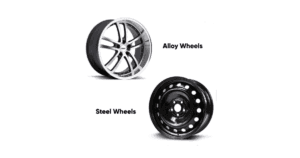 Are they just for looks, or do they actually improve how your car drives? If you have ever wondered whether alloy wheels are worth the money, how they work, or how they compare to normal wheels, you are in the right place.
In this guide, we will break everything down in simple language, no technical confusion, no complicated jargon, just clear, helpful, and honest information.
Whether you are planning to buy a new car, upgrade your wheels, or just want to understand what makes alloy wheels special, this article will give you everything you need to know in a friendly, easy-to-read way. Let’s get started.
What Are Alloy Wheels?
Alloy wheels are wheels made from a mixture of aluminum or magnesium and other metals. They are designed to replace traditional steel wheels and offer better performance, improved looks, and reduced weight.
Unlike steel wheels that look plain and heavy, alloy wheels give your car a sporty, premium, and stylish appearance while also improving driving quality.
In simple words:
Alloy wheels are lightweight, stylish, and high-performance car wheels made from aluminum-based metals.
History of Alloy Wheels
Alloy wheels were first used in racing cars in the 1960s. Race teams wanted lighter wheels to improve speed and handling. When car manufacturers saw the benefits, alloy wheels slowly became available for road vehicles.
Today, almost every modern car sedans, SUV, hatchback, and even electric vehicles offer alloy wheels as standard or optional equipment.
What Are Alloy Wheels Made Of?
Most alloy wheels are made from:
- Aluminum
- Magnesium
- Nickel
- Small amounts of iron or copper
These metals are blended to create a wheel that is:
- Strong
- Lightweight
- Heat resistant
- Corrosion resistant
Aluminum is the most commonly used metal because it is light and does not rust easily.
How Alloy Wheels Are Manufactured
There are three main manufacturing methods:
1. Casting
Molten aluminum is poured into a mold. This is the most common and affordable method.
2. Forging
The metal is pressed under high pressure to make a stronger and lighter wheel. This method is used for luxury and sports cars.
3. Flow Forming
A mix of casting and forging that improves strength without increasing cost too much.
Alloy Wheels vs Steel Wheels
| Feature | Alloy Wheels | Steel Wheels |
| Weight | Lightweight | Heavy |
| Appearance | Stylish | Plain |
| Performance | Better handling | Average |
| Fuel Efficiency | Higher | Lower |
| Heat Dissipation | Excellent | Poor |
| Rust Resistance | High | Low |
| Price | Higher | Cheaper |
| Repair Cost | Medium | Low |
Why Alloy Wheels Are Better
Alloy wheels are better because they:
- Improve braking
- Reduce car weight
- Increase fuel efficiency
- Look premium
- Improve ride comfort
- Increase resale value
They also allow better airflow to the brakes, keeping them cool and preventing brake failure.
Types of Alloy Wheels
- Cast Alloy Wheels
- Forged Alloy Wheels
- Flow-Formed Wheels
- Multi-piece Wheels
- Monoblock Wheels
Each type has different strengths, weights, and price levels.
Alloy Wheel Sizes Explained
Alloy wheels come in sizes like:
- 14 inch
- 15 inch
- 16 inch
- 17 inch
- 18 inch
- 19 inch+
Larger wheels look sporty but reduce ride comfort. Smaller wheels give better comfort and fuel economy.
Alloy Wheel Finishes
Alloy wheels come in:
- Silver
- Black
- Matte black
- Chrome
- Diamond cut
- Dual-tone
Your finish choice affects how premium your car looks.
Alloy Wheels Performance Benefits
Alloy wheels:
- Improve steering response
- Reduce tire wear
- Improve braking
- Increase grip
That is why sports cars always use alloy wheels.
Do Alloy Wheels Improve Fuel Efficiency?
Yes. Since alloy wheels are lighter, the engine works less to move the car. This improves fuel economy by 2–5% on average.
Are Alloy Wheels Durable?
Modern alloy wheels are very strong. They resist rust, heat, and wear. However, they can crack if hit hard on potholes, unlike steel wheels, which bend.
Alloy Wheels in Hot & Cold Weather
They perform well in both hot and cold climates. Aluminum does not rust, making it ideal for rainy and humid areas like the USA.
Common Myths About Alloy Wheels
❌ Alloy wheels are weak
❌ Alloy wheels crack easily
❌ They are only for sports cars
Truth: Modern alloy wheels are engineered for everyday driving.
Alloy Wheels Price Range
In the USA and the UK:
- Basic alloy wheels: 100–15,00 per wheel USD
- Premium alloys: 1000–400+ USD
Alloy Wheels Maintenance Tips
- Wash monthly
- Avoid harsh chemicals
- Repair scratches early
- Check air pressure regularly
Are Alloy Wheels Worth It?
Yes. They:
- Improve safety
- Increase comfort
- Boost resale value
- Make your car look better
How to Choose the Right Alloy Wheels
Check:
- Size
- Bolt pattern
- Offset
- Material
- Brand
- Warranty
Buyer’s Guide
Choose alloy wheels based on:
- Your driving style
- Road conditions
- Budget
- Vehicle type
For city driving → Cast wheels
For sports driving → Forged wheels
For SUVs → Heavy-duty alloys
Read More: When Parking Parallel It Is Best To Leave The Curbside Wheels
Comparison Table
| Feature | Alloy Wheels | Steel Wheels |
| Looks | Premium | Basic |
| Handling | Excellent | Poor |
| Durability | High | Medium |
| Fuel Saving | Yes | No |
| Rust | No | Yes |
FAQs: What Are Alloy Wheels
Are alloy wheels safe?
Yes, they are safer due to better braking and grip.
Do alloy wheels crack?
Only if hit very hard.
Can alloy wheels be repaired?
Yes, most damage is repairable.
Do alloy wheels increase car value?
Yes.
22. Final Verdict
Alloy wheels are not just about looks. They improve performance, safety, and efficiency. If you want a better driving experience and a premium look, alloy wheels are 100% worth it.