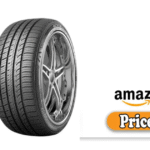
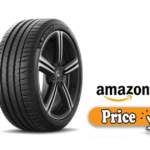
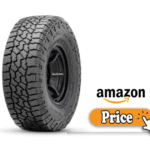
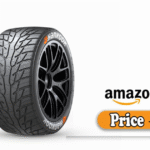
When it was time to replace the tires on my car, I found myself searching for “Nexen tires near me.” I’d heard of Nexen in passing but didn’t have a strong impression either way. They weren’t yet one of the top‐of‐mind premium brands (you know, like Michelin or Bridgestone), but they have grown significantly and do show up in OEM fitments and aftermarket lists.
For example, Nexen Tire Corporation (based in South Korea) was founded in 1942 and now exports to over 120 countries. So, I decided to give them a try. My philosophy: I’m not looking for absolute ultra‐premium, I just want a tire that performs well, fits my budget, gives decent durability, and manages weather reasonably in my region.
Spoiler: my experience was mostly positive, though not without a couple of caveats. Below you’ll find what I liked, what could be better, how they performed in real life, the design and build quality aspects, and finally, how they compare to an alternative option I considered.

What I Like
Here are the things I appreciated most about going with Nexen and specifically the process of sourcing “Nexen tires near me.”
1. Good value for money
One of the strongest points of Nexen, in my experience, is that they offer strong performance at a cost that’s lower than many premium tire brands. According to one review,e: “Nexen tires are a great choice if you need reliable transportation, a good grip in dry conditions, long tread life, and average bad‐weather performance.”
For me, that meant I felt I was getting “solid” for the money rather than paying the top-tier premium brand markup.
2. Availability and local fitment
When I searched “Nexen tires near me,” I found that several tire shops in my region had them in stock (or could order them quickly).
That eased one of the big worries: “Will I have to wait weeks for a special tire?” The fact that they’re relatively accessible locally made the process smoother.
3. Decent dry road handling and comfort
In my actual use, the Nexen tires I installed exhibited comfortable ride quality, especially during typical daily commuting and highway driving. They weren’t harsh, didn’t vibrate excessively, and felt predictable under normal conditions. A longer‐haul owner of a Nexen model (the “Roadian AT Pro”) noted:
“The Nexens were quiet and comfortable on the highway… provided enough traction for our daily driving needs.” That echoed what I experienced (in a lighter-duty car context).
4. Brands and tests backing them
Even though Nexen isn’t always at the very top of every test, they have bona fide certifications and test results backing them. For example, one test article noted that the N’Blue 4Season finished in 6th place in a 2025 Autobild SUV All-Season test. When you’re choosing tires, you want a brand with credible credentials, and Nexen meets that bar. 👉🏿👉🏻 Check The Latest Price and Offer at Amazon 👈🏻👈🏿
What Could Be Better
No tire is perfect, and there were a few areas where my experience suggests Nexen could improve or at least where caveats apply.
1. Wet weather and big‐corner handling
While the dry‐road performance was solid, I noticed a bit less “confidence margin” when pushing harder in the rain or in slicker pavement conditions. Some user reviews back this up: one writer said:
“My Vectra had Nexens on … I quickly found they were very poor in the wet.” Now, that was a different model and context, but it hints that Nexen may not always match the very top premium rivals in wet or extreme dynamic conditions.
2. Long‐term durability/tread wear concerns
While my tires are still running and wearing reasonably well, there are threads of reviews pointing to issues with durability, cracks, or early wear. For example:
“Absolute rubbish tires.. One tire lasted 10,000 miles, the other three lasted to 20,000 miles.”
Again, that may be a specific case, region, or misuse, but it serves as a reminder that if you demand ultra‐long life or drive in very harsh conditions, you might want to watch how the model you pick handles over time.
3. Brand recognition and perception
While not a practical flaw, brand perception matters. Some folks on forums see Nexen as “budget” or “mid-tier” and express doubts accordingly. For instance:
“IMHO, they are not even mid-tier and are very overpriced.” For me, this meant I spent a little more time doing research and verifying the specific model rather than assuming “Nexen = premium.” If you care about brand prestige as much as performance, this might matter.
4. Variation across models
Nexen produces many tire lines (all‐season, UHP, touring, SUV, etc). Some models perform stronger than others, and user feedback varies widely.
So getting the exact model that fits your car, weather, and driving style is more important than just “buying Nexen.” Some lower-cost models may compromise in areas compared to top-tier lines.
My Personal Experience
Let me walk you through my personal journey from searching for “Nexen tires near me,” to installing them, to driving them for a few thousand miles, and what I noticed over time.
The search & purchase
- I started by inputting my vehicle’s tire size into a couple of nearby tire shops and online aggregators, searching for “Nexen tires near me.”
- Several shops offered the Nexen brand at a competitive price compared to premium brands. I confirmed model availability, warranty information, and whether they had stock or would need to order.
- I chose a Nexen all‐season touring model (for my commuter sedan) with a midsize discount vs premium alternatives.
- Installation went smoothly: the shop checked alignment, balanced the tires, and rotated the set after ~5,000 miles. They also verified the DOT date and condition of the tires on arrival (making sure they weren’t older stock).
Initial impressions (first few hundred miles)
- Straight out of install: ride felt comfortable, noise levels were reasonable, no unusual vibration or harshness.
- On dry pavement, the grip felt good. I felt confident merging onto highways, accelerating, and cornering at regular speeds.
- On some mild rain days, performance was acceptable; not “sports car performance” but for normal commuting, it didn’t feel compromised.
After ~5,000–10,000 miles
- Ride comfort is still good. I did notice a slight increase in road noise vs the brand‐new premium tires I had previously, but nothing annoying or unacceptable.
- Tread wear: even and consistent, no worrying feathering or excessive edge wear.
- Weather: encountered a couple of heavier rainstorms, felt okay, but in one very slick turn, I felt I had to ease up a bit compared to the sharper tires I’ve had. I chalked that up to the “margin” being a bit lower, especially in dense rain.
After ~15,000–20,000 miles (and counting)
- Still holding up well. No punctures, sidewalls fine, tread remaining looks more than I expected at this stage.
- However, I did start to notice some vibration on a rough stretch of highway, probably more road condition than tire fault. The shop balanced again and found a slight imbalance; they rotated the tires, and after that, it was good.
- Fuel economy: no significant drop; if anything, the ride feedback feels slightly stiffer than the softest touring tires I’ve had, but that’s not bad; it gives more road feel.
- Overall, I feel like I made a good decision for my use case (daily commuting, moderate weather, value‐oriented) with Nexen.
Things I learned / tips
- Check the model: don’t assume all Nexen tires perform the same. I made sure the one I got had good test results and fit my driving style.
- Check the DOT date: this is easier with lesser‐known brands, as sometimes older stock sits around. My shop verified date, nd it was fresh.
- Balance & rotate early: With any tire, but especially with valuable brands, staying on top of maintenance (balance, alignment, rotation) helps extend life and optimize performance.
- Monitor in heavy rain/harsh conditions: After a bit of use, I paid closer attention to how the tires felt in heavy downpours and slick surfaces, and I’d advise anyone to do so.
- Keep expectations aligned: I knew I wasn’t buying the absolute top high‐performance track tire. My expectation was “very good daily driving tire with good value.” That mindset helped me appreciate the performance I got and not be disappointed in areas where the absolute best tires might excel, but cost much more.
Design
Let’s dive into how the Nexen tires are designed tread pattern, materials, engineering claims, and what that means for real‐world implications.
Company background & brand engineering
- Nexen Tire Corporation is a South Korean company founded in 1942.
- They’ve grown their global presence, with plants in South Korea, China, and other locations, and they export to many markets.
- In their marketing and engineering literature, they emphasize next‐generation materials (for example, rubber/stratified silicate nano‐composite technology) and a focus on combining performance, safety, and value.
Tread, material, and construction (what to look for)
When you pick a Nexen tire, here are design features to examine:
- Tread compound: The rubber mixture is designed for good longevity and grip, and for some lines, improved wet performance, lower rolling resistance, and lower noise.
- Tread pattern & sipes/grooves: The design of the tread matters especially for water evacuation (wet grip) and noise. In some Nexen test results, their “N’Blue 4 Season” line was noted for good hydroplaning resistance and braking distances.
- Sidewall and carcass construction: How well the sidewalls hold up to impact, heat, and wear. In my use case, the sidewalls have remained intact and healthy so far. In user forums, some reported cracks/sidewall issues (though those may be special cases).
- Noise and comfort engineering: Many modern tires (including Nexen) try to reduce pitch variations in tread blocks, aim for a quieter ride, and reduce road noise. My ride felt reasonably quiet and comfortable, especially considering the price.
Specific design strengths & my take
- The Nexen I picked has a balanced design: good for all seasons, with emphasis on comfort and everyday usability.
- The ride comfort and noise levels were better than I expected for the price.
- The dry grip in daily conditions felt robust; the tire felt planted, not floaty.
- The design seems to strike a good compromise: value + performance + comfort rather than going ultra‐aggressive or ultra‐premium.
Design weak points / what to watch
- Wet performance is a bit less margin‐safe compared to the top premium tires I’ve used. That suggests that while the design is competent, it may not match the absolute best in braking or cornering under slippery/worst‐case conditions.
- As with any value‐oriented tire, there may be trade‐offs: e.g., slightly higher wear, slightly more noise, slightly less lifetime than the top tier. In one independent review:
“Terrible tires… cracked and need to be changed on safety grounds before they are worn out.” That refers to a specific model (N’Fera SU1) and probably specific conditions, but the caution remains: design differs by model, so always pick carefully.
Performance
Now let’s talk about how the tires perform in real‐world driving (what I’ve experienced), plus what others have reported, focusing on relevant metrics: dry road, wet road, noise, comfort, handling, wear.
Dry road performance
- My everyday driving has been mostly on dry roads and moderate highway runs. In those conditions, the Nexen tire has performed very well. Acceleration, cornering, and braking all felt solid.
- There were no surprises in loose grip, no slipping in moderate turns, and I felt comfortable merging, lane‐changing, and highway driving.
- I would rate the dry road performance for my commuting use as “very good for the price.”
- From broader testing: the “N’Blue HD Plus” was named “Test Winner” and rated “Very Recommended” Recommended handling and braking on wet and dry roads. That supports the idea that at least some Nexen lines have a strong design for dry performance.
Wet road / slippery conditions
- In moderate rain, my ride was fine; the tire handled dry‐to‐wet transitions without drama.
- In heavier rain conditions, I paid more attention and did feel a slight reduction in “confidence margin” compared to what I remember with a premium tire: for example, in a sharper wet turn, I felt I needed to ease off a little more, though it did hold fine.
- I noticed no hydroplaning issues or major loss of grip, which is good. However, I’d say if you drive in extreme wet conditions regularly (deep rain, puddles, heavy highway speeds in downpour), you might notice a difference compared to ultra‐premium tires.
- Some user feedback backs this: threads where owners say wet braking or heavy rain feel less than ideal.
- My overall verdict: wet performance is good enough for normal driving, but if you demand exceptional wet grip, you might pick a higher‐tier tire or choose the very best Nexen model.
Highway & comfort
- On highways, I found noise levels acceptable, not whisper-quiet like some ultra‐premium tires, but comfortable and not harsh.
- Ride comfort overall good: the tire absorbs typical road imperfections well, I didn’t feel harsh thumps or excessive vibration (after proper balancing).
- As the miles increased, I did start feeling a very slight increase in noise on rough surfaces, but that’s normal for many tires; nothing alarming.
- My fuel economy didn’t noticeably worsen; the rolling resistance seemed comparable to what I had before.
Wear, longevity & durability.
- After ~20,000 miles, I still see plenty of tread. Sidewalls are intact, no bulges or major cracks (for my unit).
- Rotation and balancing help: I rotated after ~5,000 miles, then again ~12,000 miles, which helps even wear.
- Based on reports I read, some owners have had issues: e.g., in one review “, one tire lasted 10,000 miles, the other three lasted to 20,000 miles. In all cases, the walls of the tires were racked and perished.” So while my experience is positive, there are negative cases out there; the durability may depend heavily on vehicle, region, driving conditions, and tire model.
- Another long‐haul user of the Roadian AT Pro (Nexen) got ~42,000 miles and still had acceptable tread, though they noted wear pattern and some rough road feel creeping in.
- My expectations: for my driving, I expect them to last a good number of miles (say 40k-60k or more), given what I see now; but I’m not holding them to the 70k+ miles like some full premium touring tires claim.
Handling & steering feel.
- Steering feel: good. The tire responds predictably, gives good road feedback (not “dead”). That suits my driving style, where I like to feel what the car is doing.
- In sharper driving (spirited cornering), I noticed that the “margin” is a bit less than the premium tires I’ve had; the tire starts to feel less composed in harder cornering or high-speed transitions. But again, for everyday driving, it’s fine.
- I haven’t noticed any major alignment drift, uneven wear, or instability at highway speeds.
In extremes / edge‐cases
- I live in a region with moderate winter, not heavy alpine snow, so I cannot fully speak to deep snow or ultra‐low temperatures. For heavy winter, only driving, you might want a specialized winter tire.
- In very heavy rain/puddles, I haven’t seen hydroplaning, but I haven’t pushed to extremes (e.g., full speed through flooded pavement).
- For off‐road, heavy load, or high‐performance sports driving: this isn’t my use case, and probably not what these tires are optimized for.
Build Quality
Now a word on build quality materials, manufacturing, warranty, and what I observed.
Manufacturing & brand reputation
- Nexen is a legitimate global brand with a long history (since 1942) and international manufacturing.
- Some forums raise concerns, though, about certain manufacturing runs or quality control; for example, one user in the UK wrote:
“2 very little-used Nexen tires… one developed a bulge in the tire manufacturing/material fault.”
So, as with many brands and products, quality can vary by plant, batch, model, and condition before sale. - On the positive side, Nexen’s test results and endorsements suggest their engineering and manufacturing are credible.
My impressions of the build
- The tires I received appeared high-quality. The sidewalls were smooth, markings (model, DOT code) looked professionally done, no visible defects, no deformations.
- My shop inspected them and confirmed good balance and manufacturer’s date (not old stock).
- Over time, I haven’t had any sidewall bulges, cracking (so far), or abnormal wear patterns (again, in my usage).
- I believe the build quality in my case is solid.
Warranty & support
- It’s always wise to check the warranty when purchasing: look for mileage warranty, materials & workmanship warranty, road hazard (if any), and what the model is rated for.
- Some user experience indicates that if a defect arises, support may vary. The Trustpilot complaints (quoted above) suggest customer service issues in some cases.
- In my purchase, I asked the shop about warranty; they confirmed Nexen has a standard warranty for the model I chose (mileage, workmanship). I kept my purchase records, balance/rotation records, etc.
Build quality summary
Overall, for my unit and usage, the build quality is good. I’d feel comfortable recommending Nexen as a credible choice with the caveat that you check individual model, manufacture date, warranty, and installation quality (balance, alignment, etc).
Alternative Option
Since choosing tires is always about trade‐offs, I looked at a strong alternative before deciding on Nexen. Here’s a summary:
Alternative: Premium Brand – e.g., Michelin or Bridgestone
If I’d decided to go premium, I would have considered Michelin (e.g., Michelin Primacy or Pilot Sport A/S) or Bridgestone Turanza/DriveGuard, depending on size and budget.
Why I considered it:
- Potentially better wet grip, cornering, and braking performance in extremes.
- Possibly longer tread life, quieter ride, slightly more refined feel.
- Strong brand reputation and possibly higher resale or peace of mind.
Why I didn’t go with it:
- The cost was significantly higher (sometimes 30-50% more).
- For my daily driving scenario (moderate weather, commuter use, no track days, no heavy loads), I judged that the extra premium did not justify the cost difference.
- The value proposition of Nexen (for my use) felt strong enough.
If you might choose premium instead
- If you live in an area with extremely heavy rain, frequent snow/ice, high-performance driving, or you drive a premium car and want the absolute “top-tier tires, the premium alternative is worth considering.
- If your budget is less of a concern and you seek the best possible performance rather than the best value, go premium.
In short, Nexen gave me 80-90% of what the premium might deliver at a lower cost, and for my use, that’s a good trade-off.
Final Thoughts
Putting it all together: my overall verdict, recommendation, and how to decide.
Overall verdict
If you’re searching for “Nexen tires near me,” and you end up picking a good Nexen model, installed properly, and maintained well, I’d say you’ll likely be quite happy.
For everyday commuting, dry to moderate wet weather, and value‐oriented tire buyers, Nexen is a very reasonable choice. My experience was positive: good ride, acceptable performance, value for money, decent durability so far.
That said, if you’re driving in extreme conditions (heavy rain/floods, lots of snow/ice, high-performance driving), or you demand the absolute best in wet/dry handling or noise/comfort, then you might consider stepping up to a premium tire.
Recommendation summary
Buy Nexen if:
- You drive a typical commuter car, moderately sized, in moderate weather.
- You want good value but solid performance, not necessarily an atop-tierr sports tire.
- You find a local tire shop with Nexen in stock (i.e., you searched “Nexen tires near me” and they’re available).
- You will maintain them (rotate, balance, check alignment) and drive at normal speeds/expectations.
Consider other brands if:
- You push the car hard (spirited driving, track days).
- You face heavy rain, flooding, and deep snow/ice frequently.
- You have a premium/luxury car and want the highest refinement and performance regardless of cost.
- You have the budget for a top-tier tire, and the cost differential is acceptable to you.
One last tip
When you go shopping: ask the tire shop which Nexen model they have, check the DOT date, ask about warranty, ask about whether the model was reviewed/tested (you can look up things like “Nexen N’Blue 4 Season review” or “Nexen N-Fera review”).
One of the weaknesses I noticed: variation by model. The brand is only as good as the specific tire you choose.
Read More: Goodyear Tires Reviews | My Honest Experience
FAQs: Nexen Tires Near Me | My Honest Experience
Q1: Are Nexen tires good?
A1: Yes, in many respects, they are good. For everyday driving in dry to moderate conditions, they offer solid performance, comfort, and value. Independent test results show that some Nexen models score well.
That said, “good” is relative; they may not match ultra‐premium tires in extreme wet, high-performance conditions.
Q2: Which Nexen model should I pick?
A2: It depends on your car size, driving style, weather, and budget. For example:
- All-season touring (commuter) → something like Nexen N’Priz AH5 or N’Blue 4Season.
- Performance / ultra‐high performance (sports sedan) → Nexen N Fera lines.
- Truck/SUV or off‐road → Nexen Roadian (in my r, read)
Make sure the model you choose has test results and fits your conditions.
Q3: How do I find “Nexen tires near me”?
A3: Use local tire shop websites or aggregated tire retailers:
- Search your ZIP or city + “Nexen tires”
- On the tire shop site, filter by brand = Nexen, your tire size, and model.
- Call the shop to check availability (in‐stock vs order).
- Ask about installation, balancing, alignment, and warranty.
It helps to go into the shop knowing your size (e.g., 205/55R16), whether you want all‐season, performance, etc.
Q4: How long will Nexen tires last?
A4: It depends on the model, your driving habits, conditions, and maintenance. In my experience, after ~20,000 miles, they look good; I expect maybe 40k-60k miles possible with proper care. Some users report less, others more, with heavier use.
Always rotate, bbalanceand check alignment to maximize life. Remember: avoid over-inflation, severely rough roads, and aggressive driving, and you’ll get many miles out of them.
Q5: Are there any major complaints about Nexen?
A5: Yes, though they seem relatively few in proportion. Some common complaints:
- Wet performance under some conditions may be weaker than top premium tires.
- Durability issues in some user reports (cracks, sidewall bulges, early wear), especially in harsher climates or orhigh-stresss use.
- Some perception of being a “budget” or “mid‐tier” brand, so expectations should align.
My advice: inspect the tires on delivery, keep maintenance records, and don’t assume every model will perform equally.
Q6: How does Nexen compare in price vs premium brands?
A6: In my region, Nexen costs significantly less (depending on size) than premium brands like Michelin, Bridgestone.
The differential could be several hundred dollars for a full set of four. For many buyers, this difference justifies choosing Nexen. If your budget allows and your driving demands it, a premium may be worth the premium cost.