I’ve been there, standing in a parking lot, turning the key, and… nothing. The engine cranks, maybe sputters, but refuses to start. After a bit of frustration and some trial-and-error, I realized the culprit: a failing fuel pump.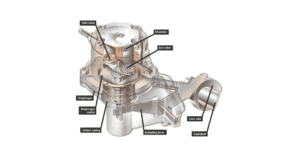 A bad fuel pump doesn’t always mean your car is completely dead. In many cases, you can temporarily get it running long enough to reach a mechanic or make it home safely. But, and this matters, these are short-term solutions, not permanent fixes.
In this guide, I’ll walk you through practical, real-world ways to start a car with a bad fuel pump, explain why they work, and help you decide what to do next.
What Does a Fuel Pump Actually Do?
Before jumping into fixes, it helps to understand the basics. Your fuel pump:
- Pulls fuel from the tank
- Pressurizes it
- Sends it to the engine
Without proper fuel pressure, your engine simply won’t run.
Common Symptoms of a Bad Fuel Pump
If you’re trying to confirm your suspicion, here are the most common signs I’ve personally encountered:
- The engine cranks but won’t start
- Sudden loss of power while driving
- Whining noise from the fuel tank
- Difficulty starting (especially when hot)
- Engine sputtering at high speeds
How To Start a Car With a Bad Fuel Pump (Temporary Methods)
Let’s get to the part you came for, what you can actually do right now.
1. Turn the Key Multiple Times (Priming Trick)
This is the easiest trick and often surprisingly effective.
Steps:
- Turn the key to the “ON” position (not start)
- Wait 3–5 seconds
- Turn it off
- Repeat 3–5 times
- Then try starting the engine
Why it works:
Each cycle primes the fuel system slightly. A weak pump might eventually build enough pressure to start.
2. Tap the Fuel Tank (Yes, Really)
Sounds crude, but it works more often than you’d expect.
Steps:
- Use a rubber mallet or even a shoe
- Tap the bottom of the fuel tank while someone cranks the engine
Why it works:
A failing pump may have worn internal components. The vibration can temporarily “unstick” it.
⚠️ Be gentle, don’t damage the tank.
3. Use Starter Fluid (Quick Emergency Fix)
This is a classic roadside trick.
Steps:
- Remove the air intake hose
- Spray starter fluid into the intake
- Try starting immediately
Why it works:
It bypasses the fuel system temporarily by giving the engine a combustible mixture.
⚠️ Important: This only confirms fuel delivery issues; it won’t keep the car running long.
4. Check and Replace the Fuel Pump Relay
Sometimes the pump isn’t dead, it’s just not getting power.
Steps:
- Locate the relay (usually in the fuse box)
- Swap it with a similar relay
- Try starting again
5. Maintain a Higher Fuel Level
Oddly enough, this can help.
Why it works:
Fuel cools the pump. A failing pump may work better when submerged in more fuel.
6. Bypass the Pump (Advanced – Not Recommended for Beginners)
You can manually power the pump using direct wiring, but this requires technical knowledge and carries risk.
Comparison Table: Quick Fix Methods
| Method | Difficulty | Tools Needed | Success Rate | Temporary or Lasting |
| Key Cycling | Easy | None | Medium | Temporary |
| Tapping Fuel Tank | Easy | Mallet/Shoe | Medium | Temporary |
| Starter Fluid | Medium | Spray | High (short) | Very Temporary |
| Relay Replacement | Medium | Basic tools | High | Potential Fix |
| Keeping Tank Full | Easy | None | Low | Temporary |
| Direct Wiring | Hard | Electrical tools | High | Risky Temporary |
My Personal Experience (Honest Take)
The first time I dealt with this, I wasted hours thinking it was the battery or starter. What finally worked? A combination of key cycling and tapping the tank.
It started just enough to get me home, but the next morning, it refused again.
Lesson learned:
If you’re using these tricks more than once, your fuel pump is already on borrowed time.
Buyer’s Guide: Replacing a Bad Fuel Pump
Eventually, you’ll need a proper fix. Here’s how to choose the right replacement.
1. OEM vs Aftermarket
- OEM (Original Equipment Manufacturer):
- Reliable
- More expensive
- Aftermarket:
- Cheaper
- Quality varies
2. Electric vs Mechanical Pumps
- Most modern cars use electric pumps
- Older vehicles may use mechanical ones
3. Compatibility
Always match:
- Make
- Model
- Engine type
4. Brand Reputation
Stick with trusted brands to avoid repeat failure.
5. Price Range
- Budget: $50–$100
- Mid-range: $100–$250
- Premium: $250+
Long-Term Solution (What You Should Actually Do)
Let’s be clear, there’s no real workaround forever.
The only permanent fix:
👉 Replace the fuel pump
Driving with a failing pump can:
- Leave you stranded
- Damage your engine
- Cause unsafe driving conditions
Preventing Fuel Pump Failure
From experience, these habits help:
- Don’t drive on empty regularly
- Use quality fuel
- Replace fuel filters on time
- Avoid overheating the pump
When to Call a Mechanic
If you notice:
- Complete no-start condition
- Frequent stalling
- Loud whining from the tank
It’s time to stop DIY attempts.
Read More: Second Hand Ford Spares: Honest Buyer’s Guide
FAQs: How To Start A Car With Bad Fuel Pump
1. Can a car run with a bad fuel pump?
Yes, but not reliably. It may stall or fail to start at any time.
2. How long can I drive with a bad fuel pump?
Anywhere from a few minutes to a few days—it’s unpredictable.
3. Will hitting the fuel tank always work?
No. It’s a temporary trick and doesn’t fix the issue.
4. Is starter fluid safe?
Yes, in small amounts, but not for repeated use.
5. Can a bad fuel pump drain the battery?
Indirectly, yes, if you keep cranking the engine repeatedly.
6. What’s the average replacement cost?
Typically $300–$900 including labor.
7. Can I replace a fuel pump myself?
Yes, but it depends on your vehicle and skill level.
Final Thoughts
Starting a car with a bad fuel pump is about buying time, not solving the problem. If you’re stuck somewhere, use:
- Key cycling
- Tank tapping
- Starter fluid
But don’t treat these as long-term solutions. From my experience, the sooner you replace the pump, the less stress and cost you’ll deal with later.