Buying tires isn’t exciting. It’s not like picking out a new phone or upgrading your sound system. Tires are one of those purchases you usually make when something goes wrong, a blowout, worn tread, or a failed inspection.
That’s exactly how I ended up buying Firestone tires. I live in the U.S., drive daily, and put a lot of miles on my car commuting, taking road trips, running errands, and occasionally going on a weekend getaway.
When my old tires finally wore down, I wanted something reliable, affordable, and easy to find nationwide. Firestone kept popping up in conversations, reviews, and local tire shops.
So I decided to give them a try. This article is my honest, no-fluff experience with Firestone tires, what I liked, what could be better, how they performed over time, and whether I’d buy them again.
If you’re researching tires and want a real-world perspective instead of marketing hype, you’re in the right place.

What I Like About Firestone Tires
Let’s start with the positives because Firestone does a lot of things right.
1. Wide Availability Across the U.S.
One of the biggest reasons I chose Firestone is how easy they are to find. Firestone has been around for over a century, and their tires are sold almost everywhere Firestone Complete Auto Care, Costco, Tire Rack, local shops, and dealerships.
That matters more than people realize. If you get a flat in another state or need a warranty replacement while traveling, you’re not stuck hunting for a specialty shop.
2. Reasonable Pricing for the Quality
Firestone tires sit comfortably in the mid-range price category. They’re not bargain-basement cheap, but they’re also not premium-brand expensive like Michelin or Continental.
For me, the value made sense:
- Affordable upfront cost
- Solid performance
- Decent longevity
You feel like you’re getting your money’s worth without overspending.
3. Smooth, Comfortable Ride
Right away, I noticed how smooth and quiet the ride felt. Road noise dropped compared to my old tires, especially on highways.
If you do a lot of city driving or long road trips, comfort matters. Firestone clearly designs many of their tires with daily drivers in mind rather than aggressive performance.
4. Strong Reputation & History
Firestone isn’t some new brand trying to prove itself. They’ve been making tires since 1900, and they’re now part of Bridgestone, one of the largest tire manufacturers in the world.
That history gave me confidence, especially when it comes to safety standards and manufacturing quality.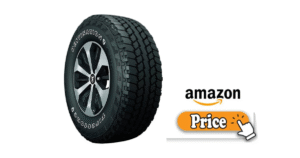 👉🏿👉🏻 Check The Latest Price and Offer at Amazon 👈🏻👈🏿
What Could Be Better
No tire brand is perfect, and Firestone is no exception. Here are the areas where I think they could improve.
1. Performance Tires Aren’t Their Strongest Area
If you’re an enthusiast driver or someone who pushes their car hard, Firestone may feel a bit underwhelming.
- Cornering grip is good, not great
- High-speed handling is stable, but not sporty
- Performance tires from Michelin or Goodyear feel more responsive
For everyday driving, this isn’t an issue, but it’s worth noting.
2. Tread Life Depends Heavily on the Model
Some Firestone models last a long time. Others wear faster than expected. You really need to:
- Choose the right model for your driving style
- Rotate tires regularly
- Maintain proper tire pressure
Skip maintenance, and you’ll feel the wear sooner.
3. Wet Traction Is Model-Dependent
My Firestone tires handled rain well overall, but I’ve noticed that not all Firestone models perform equally in wet conditions.
Higher-end Firestone tires do great in rain, while entry-level ones can feel less confident during heavy downpours.
My Personal Experience (Real-World Use)
I installed Firestone all-season tires on my sedan and drove on them for over 30,000 miles.
City Driving
- Smooth braking
- Comfortable over potholes and uneven pavement
- Quiet at low and medium speeds
Highway Driving
- Stable at highway speeds
- Reduced road noise
- Confident lane changes
Rain & Weather
- Good traction in light to moderate rain
- Predictable handling
- No hydroplaning issues at legal speeds
Winter Conditions
I live in a region with mild winters, and Firestone all-seasons handled light snow and cold temperatures just fine. That said, if you live somewhere with harsh winters, dedicated winter tires are still the better choice.
Overall, my experience has been positive and stress-free, exactly what I want from tires.
Design
Tires aren’t about looks, but design still matters. Firestone tires have:
- Clean tread patterns
- Functional, modern designs
- No overly aggressive styling
The tread layout focuses on water evacuation, stability, and longevity rather than flashy aesthetics. That’s a good thing for daily drivers.
Performance
Handling
Firestone tires feel predictable and stable, not twitchy, not overly soft.
Braking
Braking performance is solid in dry conditions and decent in wet conditions.
Noise Levels
One of Firestone’s strongest areas. These tires are noticeably quieter than many budget brands.
Build Quality
Build quality is where Firestone really earns trust.
- Strong sidewalls
- Consistent manufacturing
- No balancing issues after installation
I didn’t experience vibration, uneven wear, or structural problems, which is exactly what you want.
Alternative Options
If Firestone doesn’t feel like the perfect match, here are solid alternatives:
Michelin
- Premium performance
- Longer tread life
- Higher price
Goodyear
- Excellent wet traction
- Strong U.S. presence
- Slightly firmer ride
Continental
- Sporty feel
- Great handling
- Higher cost
Cooper Tires
- Budget-friendly
- Surprisingly good quality
- Less refined ride
Read More: Where Is Falken Tires Made | My Honest Experience
FAQs: Firestone Tires | My Honest Experience
Are Firestone tires of good quality?
Yes. Firestone tires offer solid quality, especially for everyday drivers looking for comfort, safety, and value.
How long do Firestone tires last?
Most models last between 40,000 to 70,000 miles, depending on driving habits and maintenance.
Are Firestone tires good in snow?
All-season Firestone tires handle light snow well, but winter tires are better for harsh conditions.
Are Firestone tires expensive?
They’re mid-priced, cheaper than premium brands but better than most budget options.
Would I buy Firestone tires again?
Yes, for daily driving and long trips, I absolutely would.
Final Thought
Firestone Tires | My Honest Experience boils down to this:
Firestone isn’t trying to be the flashiest or most high-performance tire brand, and that’s okay. What they offer is reliability, comfort, nationwide support, and solid value, which is exactly what most U.S. drivers actually need.
If you want:
- A smooth, quiet ride
- Dependable performance
- Fair pricing
- Easy service access
Firestone is a smart, practical choice.
They may not be perfect for everyone, but for everyday drivers like me, Firestone tires get the job done without stress, without surprises, and without draining your wallet.