Checking your transmission fluid might sound intimidating at first. I used to think it was one of those “leave it to the mechanic” jobs until I realized how simple it actually is.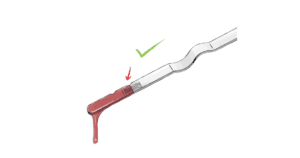 After owning several vehicles, from an older pickup to a daily commuter sedan,n I’ve learned one thing the hard way: ignoring transmission maintenance can get expensive fast. Replacing a transmission can cost thousands, but checking your fluid level?
That’s a 10-minute job that costs nothing. In this complete guide, I’ll walk you through:
- Why transmission fluid matters
- How to check transmission fluid step by step
- Differences between automatic and manual transmissions
- What do you need
- Signs your transmission fluid is low
- A comparison table of checking methods
- A buyer’s guide for transmission fluid products
- Frequently asked questions
Let’s dive in.
Why Transmission Fluid Is So Important
Your transmission is one of the most complex systems in your vehicle. Whether you drive a sedan, SUV, or truck, the transmission transfers power from the engine to the wheels.
Transmission fluid does several critical things:
- Lubricates moving parts
- Cools the transmission
- Prevents corrosion
- Helps shift gears smoothly
- Transfers hydraulic pressure (in automatic transmissions)
If fluid levels drop too low, you may experience:
- Delayed shifting
- Slipping gears
- Burning smells
- Strange noises
- Overheating
- Complete transmission failure
And trust me, that’s not a repair bill you want.
Automatic vs Manual Transmission: Key Differences
Not all vehicles are checked the same way. Vehicles like the Toyota Camry (automatic version) often have a transmission dipstick, while some modern car,s including newer models from Ford and B, may not.
Meanwhile, manual transmission vehicles like the Honda Civic (manual variant) typically require checking the fluid from underneath the vehicle.
Here’s a quick comparison:
Transmission Fluid Checking Comparison Table
| Feature | Automatic (With Dipstick) | Automatic (Sealed System) | Manual Transmission |
| Ease of Checking | Very Easy | Moderate | Moderate |
| Tools Required | Rag, dipstick | Jack, socket set | Jack, socket set |
| Engine Running? | Yes | Often Yes | No |
| Fluid Location | Under hood | Under vehicle | Under vehicle |
| Skill Level | Beginner | Intermediate | Intermediate |
| Risk of Error | Low | Medium | Medium |
| Typical Time | 5–10 minutes | 20–30 minutes | 20–30 minutes |
Step-By-Step: How To Check Automatic Transmission Fluid (With Dipstick)
This is the easiest scenario.
Step 1: Warm Up the Engine
Start your car and let it idle for about 5–10 minutes. Transmission fluid expands when warm, so checking it cold can give an inaccurate reading.
Some manufacturers recommend shifting through all gears first (Park → Reverse → Drive → back to Park).
Step 2: Park on Level Ground
Flat ground ensures accurate fluid level reading.
Step 3: Locate the Transmission Dipstick
Pop the hood and look for a brightly colored dipstick handle (often red or yellow). It is NOT the engine oil dipstick. Check your owner’s manual if unsure.
Step 4: Pull and Wipe
Pull the dipstick out. Wipe it clean with a lint-free rag.
Step 5: Reinsert and Pull Again
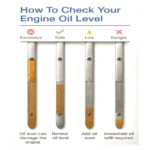
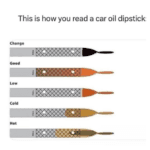
Insert fully. Pull it out again to check the level. You’ll see markings like:
- “Hot”
- “Cold”
- “Full”
- “Add”
Fluid should fall within the “Hot” range when the engine is warm.
Step 6: Check Fluid Condition
Healthy transmission fluid should be:
- Pink or red
- Clear
- Slightly sweet-smelling
Bad fluid looks:
- Dark brown
- Burnt smelling
- Cloudy
- Containing metal particles
If it smells burnt, that’s a warning sign.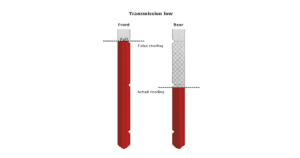
How To Check Transmission Fluid Without a Dipstick
Many modern vehicles have sealed transmissions. Brands like Ford and BMW use this design to reduce user maintenance errors. Here’s how it’s typically done:
- Raise the vehicle securely using jack stands.
- Locate the transmission fill/the heck plug.
- Remove plug while engine is running (for most automatics).
- Fluid should slightly drip out if the level is correct.
- If no fluid comes out, it’s low.
⚠️ This method requires caution. If you’re uncomfortable working under a car, a mechanic is safer.
How To Check Manual Transmission Fluid
Manual transmissions do not use dipsticks. Steps:
- Park on a level surface.
- Raise the vehicle securely.
- Locate the fill plug on the side of the transmission.
- Remove plug.
- Stick a finger inside the opening.
Fluid should be level with the bottom edge of the filth hole. If you can’t feel fluid, it’s low.
My Personal Experience Checking Transmission Fluid
The first time I checked transmission fluid was on an older sedan I bought used. It had rough shifting, especially when cold. I checked the dipstick and noticed the fluid was:
- Dark brown
- Smelled burnt
It was well below the minimum line. After a fluid change, the shifting improved dramatically. Lesson learned: transmission fluid gives early warning signs before major failure. Since then, I check it every oil change.
Signs Your Transmission Fluid Is Low
If you’re unsure whether you need to check it, here are common symptoms:
- Slipping gears
- Hard or delayed shifting
- Grinding noises
- Transmission overheating
- Fluid puddle under the car (usually red)
- Check engine light
Ignoring these signs can shorten your transmission’s lifespan significantly.
Buyer’s Guide: Choosing the Right Transmission Fluid
Not all transmission fluids are the same. Using the wrong type can cause serious damage.
1. Check Your Owner’s Manual First
Different vehicles require specific fluid types. For example:
- Many Toyota vehicles require Type T-IV or WS fluid.
- Many Ford models require Mercon or Mercon LV.
- Many GM vehicles require Dexron.
Always confirm before purchasing.
2. Synthetic vs Conventional
| Type | Pros | Cons |
| Conventional | Cheaper | Breaks down faster |
| Synthetic | Longer lifespan | More expensive |
I personally prefer synthetic for better heat resistance and smoother shifting.
3. Brand Reputation Matters
Stick with reputable brands. Low-quality fluid can:
- Break down quickly
- Cause overheating
- Reduce transmission life
4. Fluid Compatibility
Never mix incompatible fluids. If unsure, do a full flush instead of topping off.
5. How Often Should You Change It?
General guideline:
- Automatic: Every 30,000–60,000 miles
- Manual: Every 30,000–50,000 miles
However, some modern transmissions claim “lifetime fluid.” Personally, I don’t fully trust that claim. Heat and friction break down fluid over time.
Common Mistakes When Checking Transmission Fluid
- Checking it cold
- Using the wrong dipstick
- Notthe parking on level ground
- Overfilling fluid
- Ignoring fluid color
- Using the wrong fluid type
The overfilling is just as bad as the underfilling. Too much fluid can cause:
- Foaming
- Erratic shifting
- Internal damage
How to Add Transmission Fluid
If fluid is low:
- Use a funnel.
- Add small amounts at a time.
- Recheck the level after each addition.
- Do NOT overfill.
Go slow.
When to See a Mechanic
See a professional if:
- Fluid is black and smells burnt
- You see metal shavings
- The car won’t shift
- The carmission slips badly
- Warning lights stay on
Some transmission problems cannot be fixed with fluid alone.
Long-Term Transmission Care Tips
- Avoid aggressive driving
- Let the engine warm up in the old weather
- Tow within rated limits
- Fix leaks immediately
- Follow the maintenance schedule
Preventative care is always cheaper than repairs.
Read More: What Is A Gasket In A Car
FAQs: How To Check Level Of Transmission Fluid
1. Can I check transmission fluid when the engine is off?
For most automatic transmissions with dipsticks, the engine must be running. Manuals are checked with the engine off.
2. What color should transmission fluid be?
Bright red or pink when healthy.
3. Can I drive with low transmission fluid?
It’s not recommended. It can cause overheating and permanent damage.
4. How long does transmission fluid last?
Typically 30,000–60,000 miles depending on vehicle and driving conditions.
5. Why does my transmission fluid smell burnt?
A burnt smell usuallyA burntcates overheating or internal wear.
6. Is dark fluid always bad?
Not always, but very dark brown or black fluid usually means it’s time to change it.
7. How much does transmission repair cost?
Minor fluid service: $100–$250
Full rebuild: $2,000–$4,000+
8. Can I check transmission fluid myself?
Yes,s most drivers can check it safely with basic tools.
9. What happens if I overfill transmission fluid?
It can foam, cause pressure problems, and damage seals.
10. Should I flush or just change fluid?
If fluid is severely contaminated, a full flush may be better. Otherwise, a drain and refill is sufficient.
Final Thoughts
Checking your transmission fluid level is one of the easiest preventative maintenance steps you can take.
It takes:
- 10–30 minutes
- Minimal tools
- Zero mechanical expertise (for dipstick models)
But it can save you thousands. From personal experience, staying proactive with transmission maintenance has kept my vehicles shifting smoothly for years.
If you haven’t checked yours lately, today might be the perfect time. Your transmission will thank you.