Let’s be real, almost everyone has stood in an auto parts store holding a jug of oil thinking: “Do I need 4 quarts… or 5? And what happens if I’m wrong?” Too little oil can starve your engine.
Too much oil can cause foaming, leaks, or blown seals. And modern cars? They’re way less forgiving than old beaters. I’ve made oil mistakes. Most car owners have.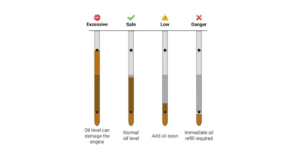 The good news is this: Checking how much oil your car needs is easier than you think if you know where to look and how to double-check.
This guide walks you through every reliable method, from old-school dipsticks to modern electronic systems, plus how to avoid the most common oil-adding mistakes.
What “How Much Oil Your Car Needs” Really Means
When people ask this question, they’re usually talking about one of two things:
- Total oil capacity (empty engine during oil change)
- How much oil to add right now (low oil situation)
These are not the same, and confusing them is where trouble starts.
Method 1: Check the Owner’s Manual (The Most Accurate Answer)
Yes, it’s boring. Yes, it works.
What the manual tells you
- Total oil capacity (with filter)
- Oil capacity (without filter)
- Recommended oil type and viscosity
Example:
- “4.8 quarts with filter”
- “4.4 quarts without filter”
That difference matters more than people realize.
Where to find it if you lost the manual
- Manufacturer website
- Digital manual inside the infotainment system
- Google: “[Year Make Model Engine] oil capacity”
Pro tip: 👉 Always match the engine size, not just the car model.
Method 2: Check the Dipstick (Best for Adding Oil Safely)
This is the method I trust the most in real-world situations.
How to check correctly
- Park on level ground
- Turn the engine off
- Wait 5–10 minutes
- Pull the dipstick, wipe it clean
- Reinsert fully
- Pull again and read the level
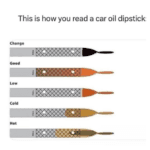
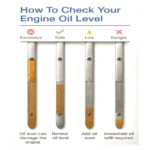
Understanding the markings
- Min / Low = needs oil
- Max / Full = do not add
- Distance between Min and Max = usually 1 quart
That’s the key detail most people miss. If oil is halfway between Min and Max → you’re about ½ quart low.
Method 3: Dashboard or Electronic Oil Level Systems
Many modern cars (BMW, Mercedes, Audi, newer Toyotas) don’t use dipsticks anymore.
How these systems work
- Oil level sensor inside the oil pan
- Requires a warm engine
- Needs level ground
- Takes 30–90 seconds to measure
Important limitations
- Can glitch
- Can misread after short trips
- Not ideal for quick oil top-offs
If your car has both a dipstick and a digital readout, trust the dipstick first.
One Comparison Table: Best Ways to Check Oil Amount
| Method | Accuracy | Skill Level | Best Use Case |
| Owner’s Manual | Very High | Beginner | Full oil changes |
| Dipstick Check | High | Beginner | Adding oil safely |
| Dashboard Display | Medium | Beginner | Quick checks |
| Repair Database | High | Intermediate | Missing manual |
| Mechanic Check | Very High | Professional | Unsure situations |
How Much Oil Does Most Cars Need? (Realistic Ranges)
While every engine is different, here are general ranges:
- 4-cylinder engines: 4–5 quarts
- V6 engines: 5–6 quarts
- V8 engines: 6–8 quarts
- Turbo engines: often slightly more
- Diesel engines: higher capacity
Never rely on this alone, but it helps sanity-check your numbers.
How To Add Oil Without Overfilling (This Matters)
Overfilling is just as bad as running low.
Safe oil-adding method
- Add oil ¼–½ quart at a time
- Wait 2 minutes
- Recheck dipstick
- Repeat if needed
If you pour in a full quart “just to be safe,” you’re gambling.
Common Oil Capacity Mistakes (Avoid These)
- Forgetting the oil filter adds capacity
- Adding oil on a slope
- Checking oil immediately after engine shutdown
- Mixing oil weights randomly
- Trusting warning lights instead of measurements
Oil warning lights usually mean you’re already too low.
Buyer’s Guide: Tools That Make Oil Checks Easier
You don’t need much, but the right tools help.
Must-have items
- Clean funnel
- Paper towels or rags
- Correct oil type
- Measuring oil bottles (marked quarts)
Nice-to-have upgrades
- Digital oil tracker apps
- Maintenance log notebook
- OBD scanner (for modern cars)
A $10 funnel can save a $5,000 engine.
When Oil Capacity Changes
Some situations affect the oil amount:
- Engine wear (older engines may consume oil)
- Turbocharged engines
- Performance modifications
- Oil cooler installations
If your car burns oil, checking capacity once isn’t enough; you’ll need routine monitoring.
Read More: When Parking Parallel It Is Best To Leave The Curbside Wheels
FAQs: How To Check How Much Oil Your Car Needs
How often should I check my oil level?
Once a month, or every fuel fill-up on older cars.
Is it bad to be slightly under the full mark?
No. Anywhere between Min and Max is safe.
Can I mix oil brands?
Yes, if viscosity and rating match, but don’t make it a habit.
What happens if I overfill by half a quart?
Usually fine. Overfilling by more than one quart can cause damage.
Does oil type affect how much oil I need?
No. Viscosity doesn’t change capacity.
Can I trust online oil capacity charts?
Yes,s if they match your exact engine.
Final Thoughts: Oil Math Is Engine Health
Checking how much oil your car needs isn’t about being “mechanically gifted.” It’s about being informed and patient.
Take five minutes.
Check twice.
Add slowly.
That small habit can add years to your engine’s life.