If you’ve ever opened your hood after seeing a check engine light and wondered, “Where exactly is the fuel rail pressure sensor?” you’re not alone.
The fuel rail pressure sensor is one of those small components most drivers never think about until problems appear. Yet this tiny sensor plays a huge role in how your engine performs, how efficiently fuel is delivered, and whether your car starts smoothly.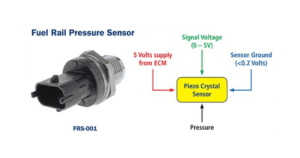 After working on several vehicles and troubleshooting numerous fuel system problems, one thing quickly becomes obvious: finding the sensor is usually easier than understanding why it matters.
This guide covers:
- Fuel rail pressure sensor location
- What the sensor does
- Symptoms of failure
- Replacement costs
- Troubleshooting tips
- Buyer’s guide
- Frequently asked questions
Let’s begin.
What Is A Fuel Rail Pressure Sensor?
The fuel rail pressure sensor measures the pressure inside the fuel rail. The engine computer uses this information to determine:
- How much fuel to inject
- Fuel pump operation
- Air/fuel ratio adjustments
- Engine timing corrections
Without accurate readings, modern engines struggle to run correctly. Think of it as a communication device between your fuel system and your engine computer.
Where Is The Fuel Rail Pressure Sensor Located?
The simple answer:
The fuel rail pressure sensor is usually mounted directly on the fuel rail itself.
However, location varies depending on vehicle design.
Common locations include:
1. On Top Of The Fuel Rail
Most common placement. Usually visible after removing engine covers. Found frequently on:
- Direct injection engines
- Modern gasoline vehicles
- Turbocharged engines
2. Side Of The Fuel Rail
Manufacturers sometimes place sensors on the side for packaging reasons. May require flashlight access.
3. Near Intake Manifold
Some engines position the sensor close to:
- Intake manifold
- Fuel supply line
- High-pressure pump
4. Behind Engine Components
Less convenient locations may require removal of:
- Air intake tubing
- Engine covers
- Plastic shrouds
Fuel Rail Pressure Sensor Locations By Vehicle Type
| Vehicle Type | Typical Location | Ease Of Access | Common Difficulty |
| Small Gasoline Cars | Top of fuel rail | Easy | Low |
| Turbocharged Engines | Side of rail | Moderate | Medium |
| Diesel Engines | High-pressure rail | Moderate | Medium |
| V6 Engines | Behind intake components | Hard | High |
| Trucks & SUVs | Front or side rail | Moderate | Medium |
How To Find Your Fuel Rail Pressure Sensor
Follow these steps:
Step 1: Open The Hood
- Park safely.
- Turn the engine off.
- Allow cooling time.
Step 2: Locate Fuel Rail
Fuel rails are long metal tubes feeding injectors. Usually positioned:
- Along the top of the engine
- Near injectors
- Close to the intake manifold
Step 3: Look for an Electrical Connector
The sensor usually has:
- Small cylindrical body
- Wiring connector
- Mounted with bolts or threaded fitting
Step 4: Follow Fuel Lines
High-pressure lines often lead directly toward the rail.
What Does The Fuel Rail Pressure Sensor Actually Do?
Its responsibilities include:
Monitoring Fuel Pressure
Constantly checks pressure levels.
Sending Data To ECU
The engine computer adjusts fuel delivery.
Improving Efficiency
Correct pressure equals better combustion.
Protecting Engine Components
Incorrect pressure can damage:
- Injectors
- Fuel pump
- Catalytic converters
Signs Of A Bad Fuel Rail Pressure Sensor
Several symptoms commonly appear.
Hard Starting
Engine cranks longer.
Sometimes requires multiple attempts.
Poor Fuel Economy
Incorrect readings create rich mixtures.
More fuel gets consumed.
Rough Idle
RPM fluctuates.
The engine shakes.
Stalling
Pressure calculations become inaccurate.
The engine may shut off unexpectedly.
Check Engine Light
One of the earliest warnings.
Poor Acceleration
The engine feels sluggish.
Reduced power output.
Common Fuel Rail Pressure Sensor Error Codes
Some common codes include:
| Code | Meaning | Severity |
| P0190 | Sensor circuit malfunction | Moderate |
| P0191 | Range/performance problem | Moderate |
| P0192 | Low input | High |
| P0193 | High input | High |
| P0087 | Low fuel pressure | High |
Can You Drive With A Bad Fuel Rail Pressure Sensor?
Short answer:
Sometimes, but not recommended.
Risks include:
- Unexpected stalling
- Reduced power
- Poor fuel economy
- Potential injector damage
- Hard starting
Driving temporarily may work.
Ignoring it for months often creates bigger repairs.
Fuel Rail Pressure Sensor Replacement Cost
Costs vary widely.
| Repair Type | Average Cost |
| Sensor Only | $30–$200 |
| DIY Replacement | $30–$200 |
| Professional Labor | $50–$200 |
| Total Shop Repair | $100–$400+ |
Luxury vehicles can cost significantly more.
Can You Replace It Yourself?
Often yes.
DIY difficulty:
Easy to Moderate
You usually need:
- Socket set
- Safety gloves
- Ratchet
- Fuel pressure relief procedure
Basic Replacement Steps
Step 1
Disconnect the battery.
Step 2
Relieve fuel pressure.
Step 3
Disconnect the sensor connector.
Step 4
Remove the sensor.
Step 5
Install replacement.
Step 6
Reconnect the battery.
Step 7
Clear codes.
Mistakes People Make During Replacement
Replacing Sensor Without Diagnosis
Sometimes:
- Fuel pump fails
- Wiring fails
- The pressure regulator fails
The sensor may be fine.
Ignoring Fuel Pressure Relief
Dangerous.
Fuel systems can hold substantial pressure.
Buying Cheap Unknown Sensors
Poor-quality sensors create recurring problems.
Buyer’s Guide: Choosing A Fuel Rail Pressure Sensor
If buying a replacement sensor, consider:
OEM vs Aftermarket
OEM Advantages
- Better reliability
- Exact fit
- Lower compatibility risk
Aftermarket Advantages
- Lower cost
- Greater availability
Connector Compatibility
Always verify:
- Plug shape
- Pin count
- Engine compatibility
Build Quality
Look for:
- Strong housing
- Quality seals
- Heat resistance
Warranty
A longer warranty often indicates confidence.
Is Cleaning The Sensor Worth Trying?
Sometimes. If contamination exists:
- Light cleaning may help
- Heavy contamination usually requires replacement
Do not aggressively clean electronic contacts.
Fuel Rail Pressure Sensor vs Fuel Pressure Regulator
People confuse them often.
| Feature | Pressure Sensor | Pressure Regulator |
| Measures Pressure | Yes | No |
| Controls Pressure | No | Yes |
| Electrical Connector | Yes | Sometimes |
| Sends Data To ECU | Yes | No |
Different components. Different failures.
Why Modern Engines Depend On This Sensor More Than Older Cars
Older engines:
- Lower pressure systems
- Simpler fuel delivery
Modern engines:
- Direct injection
- Turbocharging
- Extremely high pressures
As complexity increased, accurate monitoring became essential.
My Experience Troubleshooting Fuel Rail Sensors
One interesting thing about these sensors:
Many drivers replace them immediately after seeing a code.
But sensor codes frequently point toward:
- Wiring damage
- Corrosion
- Low fuel supply
- Weak pumps
Diagnosis first.
Parts second.
That approach saves money.
Read More: What Is an Accumulator in a Car
FAQs: Where Is The Fuel Rail Pressure Sensor
Is the fuel rail pressure sensor easy to find?
Usually yes. Engine covers may make access harder.
Can a bad sensor cause no-start conditions?
Yes. Incorrect pressure information can prevent starting.
Will disconnecting the battery reset the sensor problems?
Sometimes temporarily. It rarely fixes the root cause.
How long do fuel rail pressure sensors last?
Often 100,000+ miles. Heat and contamination shorten lifespan.
Can low fuel damage the sensor?
Not directly. But low fuel can stress pumps and create misleading symptoms.
Does every car have a fuel rail pressure sensor?
Most modern fuel-injected vehicles do. Older vehicles may not.
Can a bad sensor reduce fuel economy?
Yes. Incorrect pressure data often causes excessive fuel consumption.
Is replacement difficult?
Usually moderate DIY difficulty. Some engines make access harder.
Can sensor failure damage the engine?
Indirectly, yes. Incorrect fueling over time can create additional issues.
Should I replace the sensor and fuel pump together?
Not automatically. Diagnosis should determine what actually failed.
Final Thoughts
So, where is the fuel rail pressure sensor? Usually: Mounted directly on the fuel rail near the injectors. But exact placement varies depending on engine design. The sensor itself is small. Its impact on engine performance is not.
When symptoms appear, hard starts, poor economy, rough running, checking this sensor becomes worthwhile. A little diagnostic work now often prevents expensive repairs later.