If you’ve ever driven on a hot day and suddenly noticed that your car’s air conditioner isn’t blowing cold air anymore, you know how frustrating it can be. One of the most common reasons for weak or warm air from your vehicle’s cooling system is a failing car AC condenser.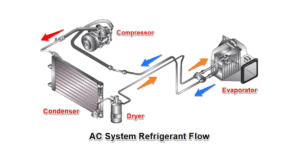 The condenser is a critical part of your vehicle’s automotive air conditioning system. It works behind the scenes to release heat from the refrigerant so your cabin stays cool and comfortable.
When it begins to fail, your air conditioning performance drops quickly. The good news is that there are usually clear warning signs before the problem becomes severe.
In this guide, we’ll cover:
- The most common signs of a bad car AC condenser
- How the condenser works
- What causes condenser failure
- When to repair vs replace it
- A practical buyer’s guide if you need a replacement
Whether you drive a daily commuter like the Toyota Corolla, a family SUV such as the Honda CR‑V, or a performance car like the BMW 3 Series, these warning signs apply to almost every vehicle.
What Does a Car AC Condenser Do?
Before we jump into the warning signs, it helps to understand what the condenser actually does. Inside a car’s air conditioning system, refrigerant cycles through several components:
- Compressor
- Condenser
- Expansion valve
- Evaporator
The AC compressor pressurizes refrigerant gas and sends it to the AC condenser, which sits near the front of the car behind the grille. Here’s the condenser’s job:
- It releases heat from the refrigerant
- It turns hot gas into liquid refrigerant
- It allows the system to produce cold air inside the cabin
Without a working condenser, the refrigerant can’t cool properly, and the air blowing through your vents will quickly become warm.
Most Common Signs of a Bad Car AC Condenser
If your condenser is starting to fail, your car will usually give you several warning signals. Let’s go through the most common ones.
1. Air Conditioner Blowing Warm Air
The most obvious sign is when your AC no longer blows cold air. You may notice:
- The air feels slightly cool but not cold
- Air becomes warm during hot weather
- Cooling works only while driving fast
A failing car AC condenser cannot properly release heat, so the refrigerant doesn’t cool effectively.
2. Refrigerant Leaks
Condensers are located at the front of the car and are constantly exposed to:
- road debris
- rocks
- dirt
- corrosion
Over time, tiny holes or cracks may develop. When that happens, refrigerant begins leaking out, which reduces the system’s cooling ability. Signs of refrigerant leaks include:
- oily residue near the condenser
- AC performance is gradually decreasing
- hissing sounds from the front of the car
3. Overheating While Using AC
A bad condenser can sometimes affect engine cooling. Because it sits near the car radiator, airflow problems can cause both systems to struggle. Symptoms may include:
- Engine temperature rises when the AC is on
- cooling fans running constantly
- engine overheating in traffic
This issue is especially noticeable in hot climates or heavy traffic.
4. Burning or Hot Smell From Vents
If the condenser is clogged or overheating, the AC system can produce unusual odors. Drivers sometimes report:
- a burning smell
- hot plastic smell
- Dusty odor when the AC starts
These smells can occur when refrigerant circulation is disrupted.
5. Visible Damage to the Condenser
Since the condenser sits at the very front of the vehicle, it’s vulnerable to damage. Look for:
- bent cooling fins
- leaks
- cracks in metal tubing
- debris stuck in the condenser
A damaged AC condenser often struggles to release heat efficiently.
Bad Condenser vs Other AC Problems
Sometimes, AC problems come from other components. Here’s a quick comparison.
| Symptom | Likely Problem | Component |
| Warm air only | Refrigerant leak or condenser failure | AC condenser |
| Loud clicking sound | Compressor clutch issue | AC compressor |
| Weak airflow | Blocked cabin air filter | Cabin filter |
| AC works, then stops | Electrical or pressure switch issue | AC system sensors |
| Musty smell | Mold in the evaporator | AC evaporator |
This table helps narrow down the issue before heading to a mechanic.
Why Car AC Condensers Fail
Understanding the causes can help you prevent future failures.
Road Debris Damage
Because the condenser sits behind the grille, it can easily be hit by:
- rocks
- gravel
- insects
- road debris
Even small impacts can puncture delicate aluminum tubes.
Corrosion
Over time, moisture and road salt can corrode the metal. This is common in older vehicles or areas with snowy winters.
Clogged Cooling Fins
Dust, leaves, and bugs can block airflow through the condenser fins. When airflow decreases, heat can’t escape efficiently.
Refrigerant Contamination
Contaminated refrigerant can damage internal components and restrict flow. This sometimes happens after improper AC repairs.
Can You Drive With a Bad AC Condenser?
Technically, yes, but it’s not ideal. Driving with a failing condenser can cause:
- poor cabin cooling
- increased compressor strain
- possible system damage
The AC compressor may work harder to compensate, which could lead to more expensive repairs.
How Much Does AC Condenser Replacement Cost?
Repair costs vary depending on the vehicle and labor rates. Typical price ranges:
| Repair Item | Estimated Cost |
| AC condenser part | $100 – $400 |
| Labor | $150 – $500 |
| Refrigerant recharge | $100 – $250 |
| Total repair cost | $350 – $1,000 |
Luxury vehicles like the BMW 5 Series or Mercedes‑Benz C‑Class may cost more due to complex AC systems.
Buyer’s Guide: Choosing the Right AC Condenser
If you need to replace your condenser, choosing the right one is important. Here’s what to look for.
1. Vehicle Compatibility
Always verify compatibility with your:
- vehicle make
- model
- engine type
- model year
Even small differences can affect fitment.
2. Material Quality
Most modern condensers are made from aluminum. Higher-quality models offer:
- stronger tubing
- corrosion resistance
- improved heat transfer
3. Brand Reputation
Reliable aftermarket brands often produce better parts. Popular options include:
- Denso
- Valeo
- Spectra Premium
These manufacturers supply parts for many OEM systems.
4. Warranty Coverage
A good warranty indicates confidence in the product. Look for:
- 1-year warranty, minimum
- manufacturer defect coverage
5. Professional Installation
AC systems require proper refrigerant handling. It’s usually best to have the installation done by a certified technician.
Tips to Extend the Life of Your AC Condenser
Proper maintenance can prevent premature failure. Helpful tips include:
- Wash debris from the front grille regularly
- Fix refrigerant leaks quickly
- Avoid driving too close to gravel trucks
- Service your AC system every 2–3 years
Keeping the system clean improves airflow and cooling efficiency.
When Should You Replace the Condenser?
Replacement becomes necessary when:
- refrigerant leaks cannot be repaired.
- fins are severely damaged
- corrosion has weakened the metal
- cooling performance drops permanently
At that point, replacing the car’s AC condenser is the most reliable solution.
Read More: How Do You Check Transmission
FAQs: Signs Of A Bad Car AC Condenser
How do I know if my AC condenser is bad?
Common symptoms include warm air from vents, refrigerant leaks, overheating when using AC, and visible condenser damage.
Can a bad condenser cause the AC to stop working?
Yes. If the AC condenser fails, refrigerant cannot cool properly, which prevents the system from producing cold air.
How long does an AC condenser last?
Most condensers last 8–12 years, depending on driving conditions, maintenance, and exposure to road debris.
Is replacing a condenser expensive?
Replacement typically costs $350–$1,000, depending on the vehicle and labor costs.
Can I replace an AC condenser myself?
It is possible, but AC systems require specialized tools and refrigerant handling. Most people choose professional installation.
Final Thoughts
A failing car AC condenser can turn your comfortable ride into a hot and unpleasant experience, especially during summer. Fortunately, the warning signs are usually easy to notice:
- warm air from vents
- refrigerant leaks
- overheating issues
- unusual smells
Catching the problem early can prevent bigger and more expensive AC repairs. If you notice any of these symptoms, it’s a good idea to have your air conditioning system inspected by a professional mechanic.
Regular maintenance and quick repairs can keep your vehicle’s cooling system working smoothly for years.