When I first started learning about car maintenance, I focused on the obvious parts: brakes, tires, oil, and maybe the battery. Like many drivers, I never thought about bushings. They’re small, hidden, and rarely discussed.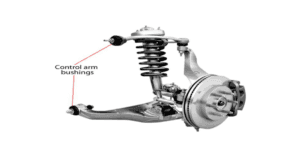 But everything changed when my car started making strange clunking noises over bumps. The steering felt a little loose, and the ride wasn’t as smooth as it used to be. After a quick visit to the mechanic, the diagnosis was simple: worn suspension bushings.
At first, I was surprised. How could such small parts affect the car so much? The truth is, bushings play a huge role in ride comfort, stability, and noise control. Without them, your car would feel rough, noisy, and unstable. In this comprehensive guide, I’ll break down:
- What bushings do on a car
- Why they’re essential for suspension and steering
- Signs of worn bushings
- Differences between types of bushings
- How to choose the right replacement bushings
- Maintenance tips and buying advice
If you want a smoother ride, better handling, and a quieter car, understanding bushings is worth your time.
What Are Car Bushings?
Car bushings are small rubber or polyurethane components placed between metal parts in a vehicle’s suspension and steering systems. Their main job is to:
- Absorb vibrations
- Reduce friction
- Prevent metal-to-metal contact
- Improve ride comfort
Think of bushings as cushions between moving parts. Without them, suspension components would grind against each other, causing:
- Excessive noise
- Faster wear
- Harsh driving experience
Where Are Bushings Located in a Car?
Bushings are used throughout the vehicle. Some of the most common locations include:
Suspension Bushings
These sit between suspension components and the vehicle frame. Examples include:
- Control arm bushings
- Stabilizer bar bushings
- Shock absorber bushings
Steering Bushings
These improve steering precision and reduce vibrations. Examples include:
- Steering rack bushings
- Tie rod bushings
Engine and Transmission Mount Bushings
These reduce engine vibration transferred to the chassis.
Leaf Spring Bushings (on trucks and SUVs)
These cushion the leaf springs and allow smooth suspension movement.
Why Bushings Are So Important
Even though bushings are small, they affect several major aspects of driving.
1. Ride Comfort
Bushings absorb road vibrations and shocks.
Without them, every bump would transfer directly to the vehicle frame.
2. Noise Reduction
They prevent metal parts from contacting each other. This eliminates:
- Clunking sounds
- Squeaking
- Rattling
3. Improved Handling
Good bushings help keep suspension components aligned. This improves:
- Steering response
- Stability
- Cornering performance
4. Protection for Other Parts
Bushings reduce stress on expensive components, such as:
- Control arms
- Shock mounts
- Steering racks
Replacing bushings is far cheaper than replacing these larger parts.
Signs Your Car Bushings Are Worn Out
Bushings wear down over time due to heat, pressure, and road conditions. Here are the most common warning signs.
1. Clunking or Knocking Noise
This is usually the first symptom. You might hear it when:
- Driving over bumps
- Braking suddenly
- Turning the steering wheel
2. Loose Steering Feel
Worn steering bushings can cause the wheel to feel less responsive. You may notice:
- Steering play
- Reduced control
- Slight drifting
3. Uneven Tire Wear
If suspension bushings wear out, wheel alignment can change. This leads to uneven tire wear.
4. Excessive Vibration
Bad bushings allow more vibration to travel through the chassis. Drivers often feel it in the:
- Steering wheel
- Floorboard
- Seat
5. Poor Handling
If the car feels unstable during turns, worn bushings may be responsible.
Types of Car Bushings
Different materials affect performance, durability, and comfort.
| Bushing Type | Material | Best For | Ride Comfort | Durability |
| Rubber Bushings | Natural or synthetic rubber | Everyday driving | Excellent | Moderate |
| Polyurethane Bushings | Hard synthetic polymer | Performance cars | Medium | High |
| Solid Bushings | Metal | Racing vehicles | Low | Very high |
| Hydraulic Bushings | Rubber with fluid chambers | Luxury vehicles | Excellent | Moderate |
Rubber vs Polyurethane Bushings
This is one of the most common debates among car enthusiasts.
| Feature | Rubber Bushings | Polyurethane Bushings |
| Comfort | Very smooth ride | Slightly firmer |
| Noise | Very quiet | Slightly louder |
| Durability | Wears faster | Much longer lifespan |
| Cost | Usually cheaper | Slightly more expensive |
| Performance | Good for daily driving | Better for performance |
For most drivers, rubber bushings are perfectly adequate. Performance enthusiasts often prefer polyurethane.
My Personal Experience with Worn Bushings
In my case, the problem started gradually. At first, I noticed a soft clunk sound when driving over speed bumps. Then the steering started feeling a little loose at highway speeds.
The mechanic inspected the suspension and found worn control arm bushings. After replacing them, the difference was immediate:
- The ride felt smoother
- The steering was tighter
- The noises disappeared
I realized that something so small could make a huge difference in driving quality.
Buyer’s Guide: Choosing the Right Bushings
If your bushings need replacement, choosing the right type matters. Here’s what to consider.
1. Vehicle Compatibility
Always choose bushings designed specifically for your vehicle. Check:
- Make
- Model
- Year
- Suspension type
Incorrect bushings may cause alignment issues.
2. Driving Style
Your driving habits affect the best material choice. Daily drivers should prioritize comfort. Performance drivers may prefer durability and stiffness.
3. Material Quality
High-quality bushings resist cracking and deterioration. Cheap bushings often fail quickly.
4. Climate Conditions
Extreme temperatures can damage low-quality rubber bushings. Polyurethane tends to handle harsh climates better.
5. Installation Complexity
Some bushings require specialized tools or pressing equipment. Professional installation may be necessary.
How Long Do Bushings Last?
Most bushings last between:
80,000 and 150,000 kilometers (50,000–100,000 miles)
However, lifespan depends on:
- Road conditions
- Driving style
- Climate
- Material quality
Rough roads and heavy loads shorten lifespan.
What Causes Bushings to Wear Out?
Several factors contribute to bushing deterioration.
Heat Exposure
Engines and brakes generate heat that weakens rubber.
Road Debris
Dust, salt, and dirt accelerate wear.
Oil Contamination
Oil leaks can damage rubber bushings.
Heavy Loads
Frequent heavy loads stress suspension components.
Can You Drive with Bad Bushings?
Technically, yes, but it’s not recommended. Driving with worn bushings can cause:
- Suspension damage
- Alignment problems
- Faster tire wear
- Reduced safety
Ignoring the issue often leads to more expensive repairs.
How Mechanics Replace Bushings
Replacing bushings usually involves:
- Removing suspension components
- Pressing out the old bushings
- Installing new ones with a press tool
- Reassembling suspension parts
- Performing wheel alignment
The process can take 1–4 hours, depending on the vehicle.
Cost of Replacing Bushings
Typical repair costs vary. Average price range:
- Bushings: $20 – $150
- Labor: $100 – $400
Total typical cost:
$150 – $600
Luxury or performance vehicles may cost more.
Maintenance Tips to Extend Bushing Life
You can help your bushings last longer with a few simple habits.
Regular Suspension Inspections
Mechanics can detect early wear.
Avoid Rough Roads
Large potholes accelerate suspension damage.
Fix Oil Leaks Quickly
Oil can degrade rubber bushings.
Maintain Proper Tire Pressure
Correct pressure reduces suspension stress.
Read More: What Does A Gearbox Do In A Car
FAQs: What Do Bushings Do On A Car
1. What do bushings do on a car?
Bushings act as cushions between metal components, reducing friction, noise, and vibration while improving ride comfort and handling.
2. Are bushings important for suspension?
Yes. They allow suspension parts to move smoothly while maintaining proper alignment.
3. How do I know if my bushings are bad?
Common signs include clunking noises, loose steering, vibrations, and uneven tire wear.
4. How much does it cost to replace bushings?
Replacement typically costs between $150 and $600, depending on the vehicle and labor requirements.
5. Can worn bushings affect alignment?
Yes. Worn bushings allow suspension components to shift, causing wheel misalignment.
6. Are polyurethane bushings better than rubber?
Polyurethane bushings are more durable but slightly firmer, while rubber bushings provide better ride comfort.
7. How long do suspension bushings last?
Most last between 50,000 and 100,000 miles, depending on driving conditions and material quality.
Final Thoughts
Bushings might be small and hidden, but they’re essential for smooth, quiet, and stable driving. From my own experience, replacing worn bushings can transform the way a car feels on the road.
The difference in comfort and handling can be dramatic. If you start noticing clunks, vibrations, or loose steering, it’s worth checking your suspension bushings before the problem grows bigger.
Taking care of these small components helps protect larger parts of your vehicle and keeps every drive smoother and safer.