If you’ve ever turned on your car’s AC and noticed weak airflow, strange noises, or a dusty smell, there’s a good chance the blower motor needs cleaning. The blower motor is the small but powerful component responsible for pushing air through your car’s air conditioning vents.
When it gets clogged with dust, debris, pollen, or leaves, airflow drops dramatically, and your AC system struggles to keep the cabin cool. I discovered this the hard way one summer afternoon when my car’s AC suddenly started blowing air very weakly.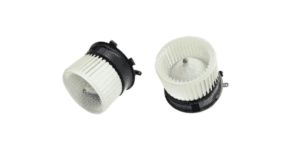 The compressor was fine, the refrigerant level was okay, but the airflow felt like a gentle whisper. After some investigation, the culprit turned out to be a dirty blower motor and fan cage.
Cleaning a blower motor is actually much easier than many drivers think. With a few basic tools and about 30–45 minutes of work, you can restore strong airflow and improve the overall performance of your AC system.
In this guide, I’ll walk you through:
- What a car AC blower motor does
- Signs that it needs cleaning
- Step-by-step instructions to clean it
- Tools you’ll need
- Cost comparisons
- A buyer’s guide for replacement motors
- Maintenance tips to keep your AC running smoothly
Let’s start by understanding what the blower motor actually does.
What Is a Car AC Blower Motor?
The AC blower motor is an electric fan located inside your vehicle’s HVAC system. Its main job is to push cooled or heated air through the vents and into the cabin.
Without the blower motor:
- Cold air would stay inside the AC evaporator housing
- Cabin airflow would be extremely weak
- Defogging and heating systems would barely work
The blower motor works together with other AC components, including:
- Cabin air filter
- Evaporator core
- AC compressor
- HVAC control module
Because it constantly pulls air through the system, it naturally collects dust and debris over time.
Signs Your Car AC Blower Motor Needs Cleaning
Before opening anything, check for these common symptoms.
1. Weak Airflow From Vents
Even when the fan is on high speed, the airflow feels weak.
2. Dust Blowing From Vents
Dust particles come out when you start the AC.
3. Unusual Noise
A whining or rattling noise from behind the dashboard.
4. Bad Smell
Musty odors are caused by dirt buildup.
5. AC Takes Longer To Cool
Restricted airflow reduces cooling efficiency.
Tools Needed To Clean A Car’s AC Blower Motor
You don’t need a professional garage to do this job. Common tools include:
- Screwdriver set
- Small socket wrench
- Soft brush
- Compressed air
- Microfiber cloth
- Electrical contact cleaner
- Vacuum cleaner
Optional but helpful:
- Protective gloves
- Safety glasses
- Flashlight
Step-by-Step Guide: How To Cleana Car’s AC Blower Motor
Step 1: Disconnect The Car Battery
Always disconnect the battery before working on electrical components. This prevents:
- Electrical shorts
- Accidental motor activation
Step 2: Locate The Blower Motor
In most cars, the blower motor is located:
- Under the passenger dashboard
- Behind the glove box
- Inside the HVAC housing
Some vehicles place it under the hood near the firewall.
Step 3: Remove The Glove Box
Many vehicles require removing the glove box first. Typical steps:
- Open the glove box
- Remove retaining screws
- Pull the box downward
This reveals the HVAC components.
Step 4: Disconnect The Blower Motor
You will see a round plastic housing with a wiring connector. To remove:
- Unplug the electrical connector
- Remove mounting screws
- Gently pull the motor downward
The fan cage (squirrel cage) will come out with the motor.
Step 5: Clean The Fan Blades
This is where most dirt accumulates.
Use:
- Soft brush
- Compressed air
- Vacuum
Remove:
- Dust
- Leaves
- Hair
- Debris
Be careful not to bend the fan blades.
Step 6: Clean The Motor Housing
Dust can collect inside the HVAC housing. Use compressed air or a vacuum to clean it thoroughly. If needed, spray electrical cleaner to remove dirt from motor contacts.
Step 7: Inspect The Cabin Air Filter
A clogged cabin air filter often causes blower motor contamination. If dirty:
- Replace it
- Clean the filter compartment
Step 8: Reinstall The Blower Motor
Reassemble everything in reverse order.
- Insert motor
- Tighten screws
- Connect wiring
- Reinstall the glove box
Reconnect the battery.
Step 9: Test The AC System
Turn on the AC and check:
- Fan speed
- Airflow strength
- Noise levels
You should immediately notice stronger airflow and quieter operation.
DIY Cleaning vs Professional Service
| Feature | DIY Cleaning | Professional Service |
| Cost | $0–$20 | $80–$200 |
| Time | 30–60 minutes | 1–2 hours |
| Skill Level | Basic | Professional |
| Tools Required | Basic hand tools | Specialized tools |
| Risk | Low | Very low |
| Best For | Minor dirt buildup | Severe contamination |
In most cases, DIY cleaning works perfectly.
Common Causes Of Dirty Blower Motors
Understanding the causes helps prevent future problems.
1. Clogged Cabin Air Filter
The most common reason.
2. Driving In Dusty Areas
Dust enters through the HVAC intake.
3. Leaves Entering Air Intake
Parking under trees can cause debris buildup.
4. Long Time Without Maintenance
Blower motors should be cleaned every 2–3 years.
Maintenance Tips To Keep Your Blower Motor Clean
Replace Cabin Air Filter Regularly
Every 12,000–15,000 miles.
Run The Fan Occasionally Without AC
Helps dry moisture inside the HVAC system.
Avoid Parking Under Trees
Prevents leaves from entering the air intake.
Clean Air Intake Vents
Located near the windshield.
Buyer’s Guide: Choosing A Replacement Blower Motor
Sometimes cleaning isn’t enough. If the motor is worn out, replacement is necessary. Here are key factors to consider when buying a new blower motor.
1. Compatibility
Always check:
- Car make
- Model
- Year
- Engine type
Using the wrong blower motor can cause electrical issues.
2. OEM vs Aftermarket
OEM (Original Equipment Manufacturer)
Pros:
- Perfect fit
- High reliability
Cons:
- Expensive
Aftermarket
Pros:
- Cheaper
- Widely available
Cons:
- Quality varies
3. Noise Level
Higher-quality motors operate much more quietly. Look for:
- Balanced fan cage
- Premium bearings
4. Warranty
Choose motors with at least a 1-year warranty.
5. Motor Speed Control
Modern vehicles use electronic blower control modules.
Make sure the motor is compatible with your vehicle’s system.
Blower Motor Replacement Cost
| Vehicle Type | Parts Cost | Labor Cost | Total Cost |
| Economy Car | $50 – $120 | $70 – $150 | $120 – $270 |
| Mid-Size Sedan | $80 – $200 | $100 – $200 | $180 – $400 |
| SUV / Truck | $120 – $300 | $150 – $300 | $270 – $600 |
| Luxury Cars | $250 – $600 | $200 – $500 | $450 – $1,100 |
DIY replacement can save hundreds of dollars.
How Often Should You Clean A Blower Motor?
Experts recommend:
- Inspection every year
- Cleaning every 2–3 years
- Replacement every 8–12 years
However, this depends heavily on driving conditions. Dusty environments may require more frequent cleaning.
Benefits Of Cleaning Your Car’s AC Blower Motor
Cleaning your blower motor provides several benefits.
Stronger Airflow
Restores normal AC performance.
Better Cooling
Air moves more efficiently through the evaporator.
Quieter Operation
Removes debris causing vibration.
Improved Air Quality
Reduces dust circulating inside the cabin.
Longer AC System Life
Prevents strain on HVAC components.
Common Mistakes To Avoid
Not Disconnecting The Battery
Can cause electrical damage.
Bending The Fan Blades
Reduces motor balance.
Using Water On The Motor
May damage electrical components.
Ignoring The Cabin Filter
Dirty filters cause recurring issues.
Personal Experience: Cleaning My Car’s Blower Motor
When I cleaned my blower motor for the first time, I was honestly surprised at how much debris was inside. There were:
- Dust clumps
- Small leaves
- Even bits of paper
After cleaning everything and installing a new cabin air filter, the airflow improved dramatically. The AC felt stronger and the annoying buzzing noise disappeared.
Since then, I’ve made it a habit to inspect the blower motor every couple of years, and it has saved me from expensive AC repairs.
Read More: What Does A Car Muffler Do
FAQs: How To Clean Car AC Blower Motor
1. Can a dirty blower motor affect AC cooling?
Yes. Restricted airflow reduces the efficiency of the AC evaporator, making cooling slower and weaker.
2. How long does it take to clean a blower motor?
Most DIY jobs take 30–60 minutes.
3. Can I clean the blower motor without removing it?
Sometimes compressed air through the vents helps, but proper cleaning usually requires removal.
4. What causes blower motor noise?
Common causes include:
- Dirt buildup
- Worn bearings
- Debris stuck in fan blades
5. How much does blower motor cleaning cost?
Professional cleaning typically costs $80–$200, depending on the vehicle.
6. Is blower motor cleaning necessary?
Yes. Cleaning improves airflow, cooling efficiency, and air quality.
7. Can a bad blower motor drain the battery?
Yes. A failing motor may draw excessive current and strain the electrical system.
8. Should I replace the cabin air filter after cleaning?
Yes. Installing a fresh filter helps prevent dirt from entering again.
Final Thoughts
Cleaning your car’s AC blower motor is one of the most overlooked yet effective ways to restore your vehicle’s air conditioning performance. A dirty blower motor can reduce airflow, create strange noises, and make your AC system work harder than it should.
The good news is that this maintenance task is simple, inexpensive, and highly rewarding. With just a few tools and a bit of patience, you can remove years of dust and debris from your HVAC system.
If your AC airflow feels weak or noisy, don’t immediately assume the worst. Sometimes the solution is as simple as cleaning the blower motor and replacing the cabin air filter.
Regular maintenance will keep your car’s AC running efficiently, ensuring cool and comfortable drives even during the hottest summer days.